This Week: Your Best Chance to See the 'False Dawn
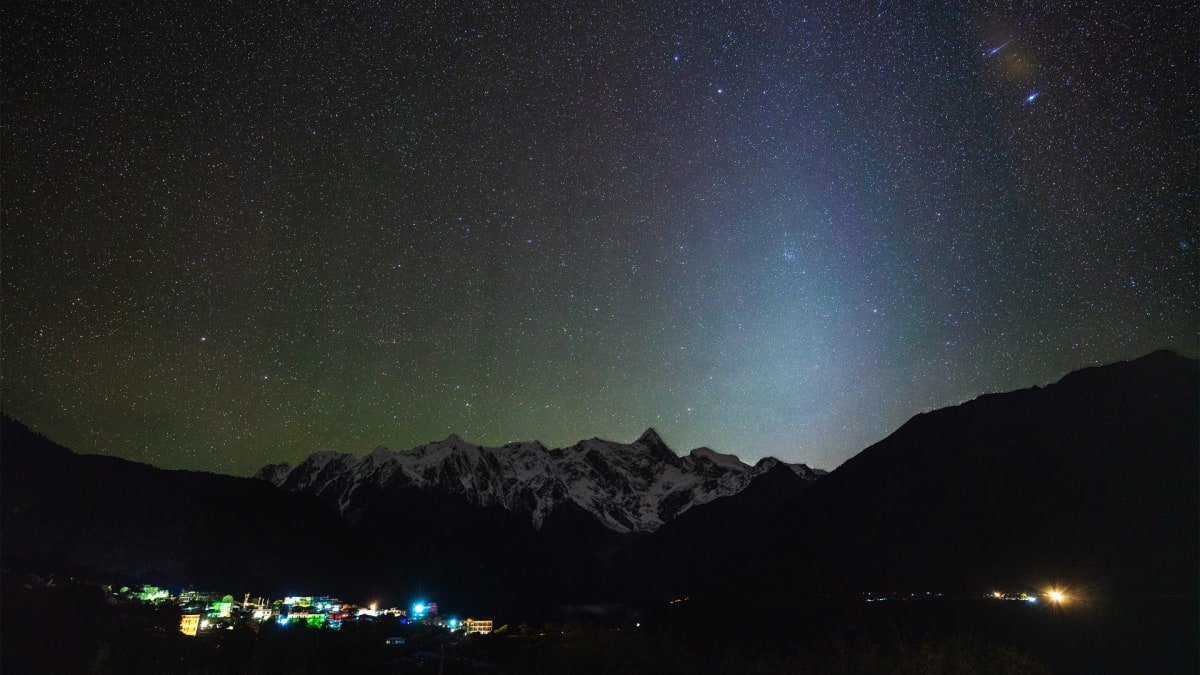
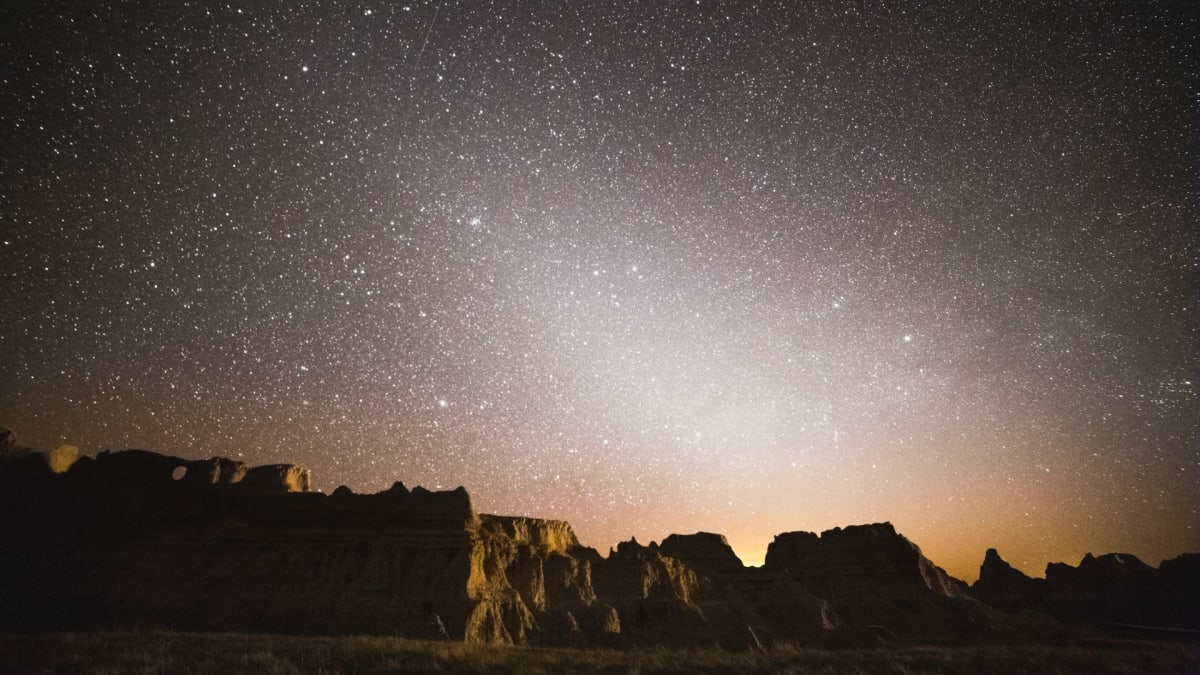
A rare celestial phenomenon called zodiacal light becomes visible this week during the new moon, offering stargazers a breathtaking view of sunlight reflecting off cosmic dust across our solar system. Patient observers with dark skies can witness this ancient "false dawn" stretching like a glowing pyramid from the horizon.
Imagine seeing the entire solar system made visible in the pre-dawn sky, glowing softly like a beacon from another world.
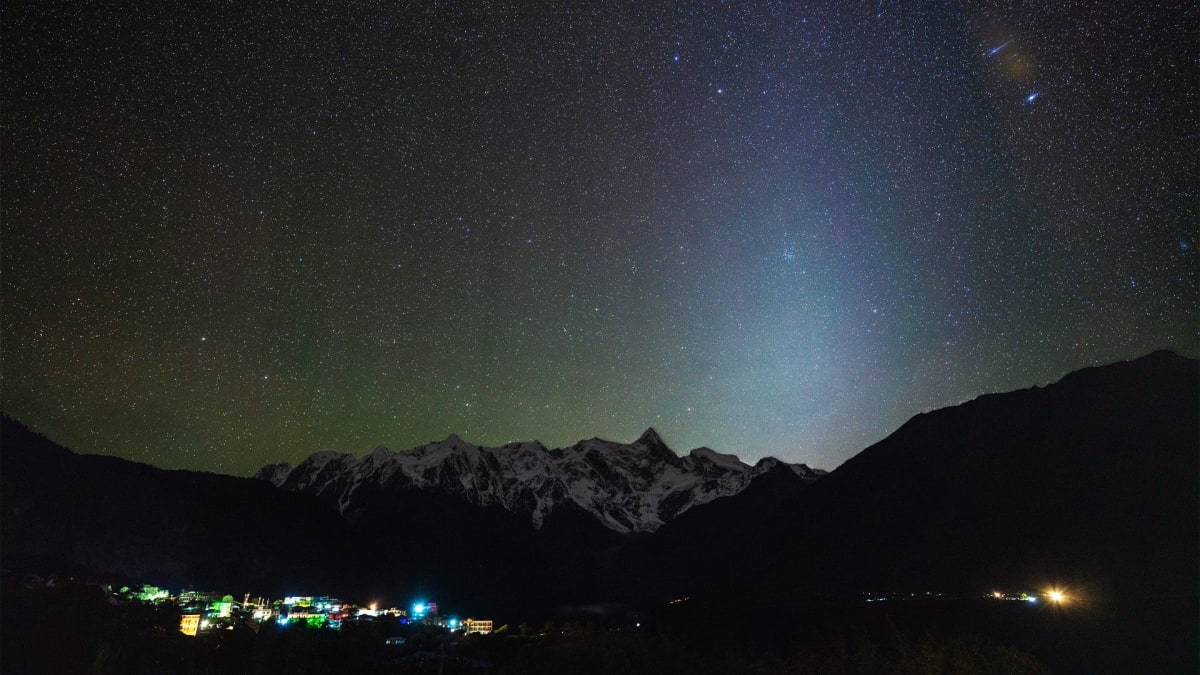
This week offers one of the year's best opportunities to witness zodiacal light, a stunning phenomenon that appears as a broad, luminous pyramid rising from the eastern horizon before sunrise. With the new moon occurring on September 10-11, dark skies will finally reveal what patient stargazers have been waiting for.
Zodiacal light gets its poetic name from the "circle of animals," the zodiac constellations that line its path. What you're actually seeing is sunlight scattered by millions of dust particles spread throughout the inner solar system, concentrated along the same plane where planets orbit.
The glow can stretch 30 to 40 degrees above the horizon, wider than the Milky Way but much subtler. This makes it easy to mistake for distant city lights or approaching dawn, which is why ancient astronomers called it the "false dawn."
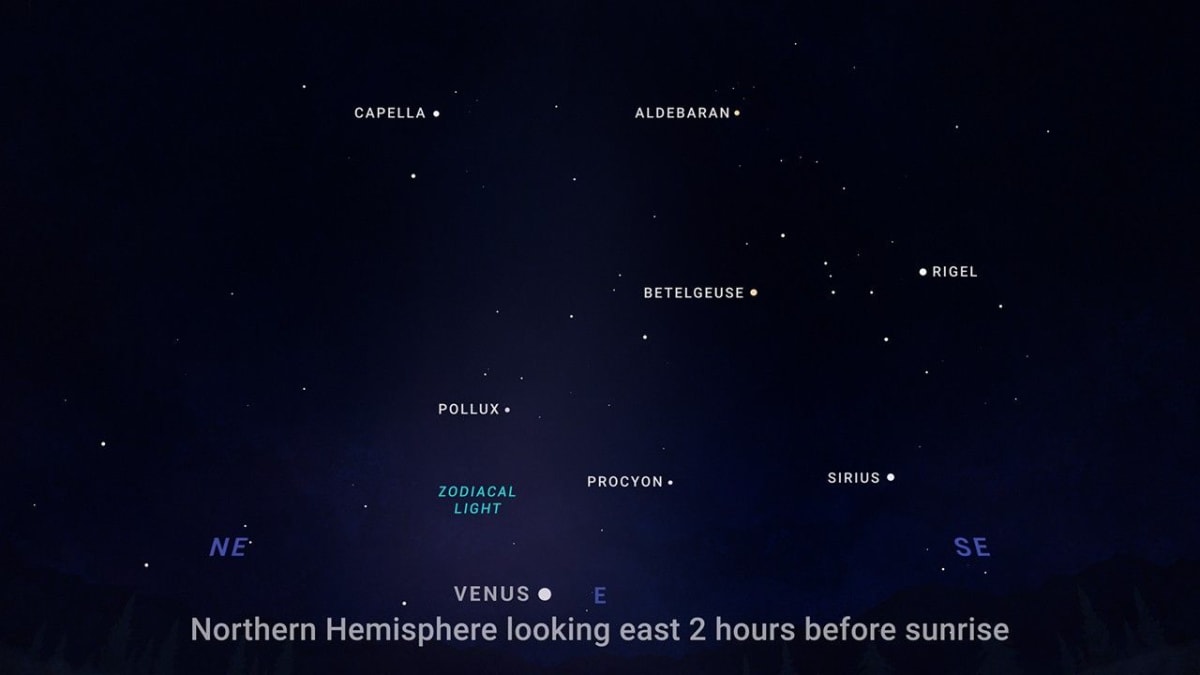
September mornings create perfect viewing conditions for observers in the Northern Hemisphere. The ecliptic (the path the sun follows) rises steeply from the eastern horizon, lifting the dusty glow away from atmospheric haze and making it easier to spot.
You'll need genuine darkness to see it. That means finding a location with no light pollution and an unobstructed eastern view, ideally over water or open land. Observers should begin watching before astronomical twilight starts, giving eyes at least 20 to 30 minutes to adjust.
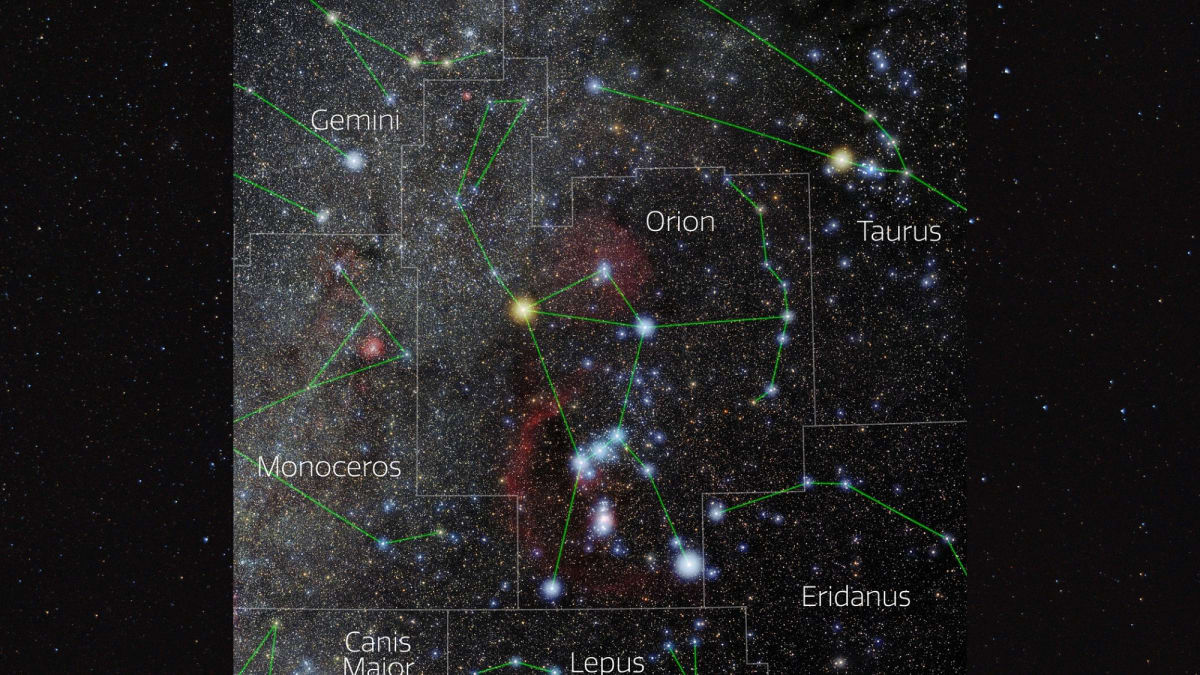
The Bright Side: Unlike many celestial events that require perfect timing or expensive equipment, zodiacal light rewards simple patience. A camera can capture it with basic settings (wide-angle lens, 10-20 second exposure), but the real magic happens when your adapted eyes finally perceive the soft triangular glow stretching upward through constellations like Orion, now visible in the pre-dawn eastern sky.
The phenomenon isn't flashy like a meteor shower or dramatic like an eclipse. Instead, it offers something quieter: a visible reminder that we live inside a vast cosmic structure, surrounded by the ancient debris of solar system formation.
This week also brings Venus to its greatest brilliance as the Evening Star on September 18, paired with a first quarter moon perfect for telescope viewing. The timing couldn't be better for sky enthusiasts seeking multiple celestial rewards.
Zodiacal light comes only to those willing to wake early and wait in darkness, making its eventual appearance feel earned and deeply personal.
More Images
Based on reporting by Space.com
This story was written by BrightWire based on verified news reports.
Spread the positivity!
Share this good news with someone who needs it