Three Wild Dogs Travel 2,500 Miles Across Africa to Find Home
Three endangered African wild dog brothers just completed the longest recorded mammal journey in African history, traveling 2,500 miles across Zambia over eight months. Their successful odyssey proves wildlife can still navigate human landscapes when we protect migration corridors.
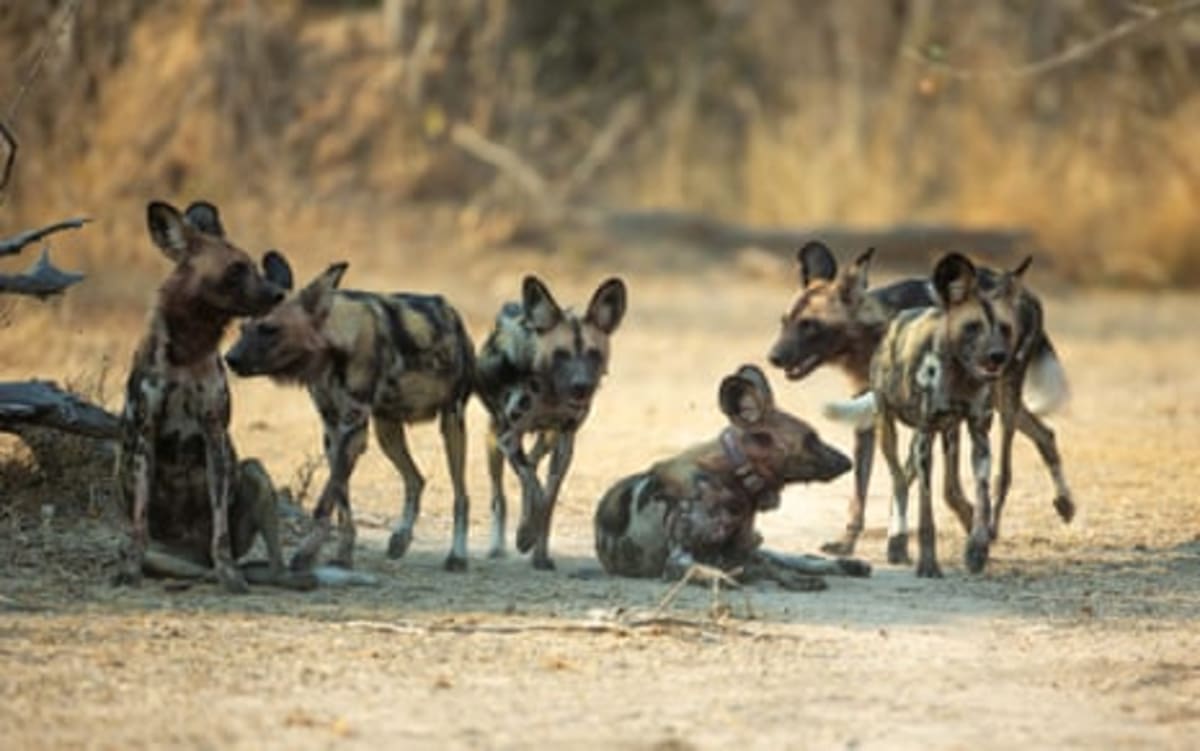
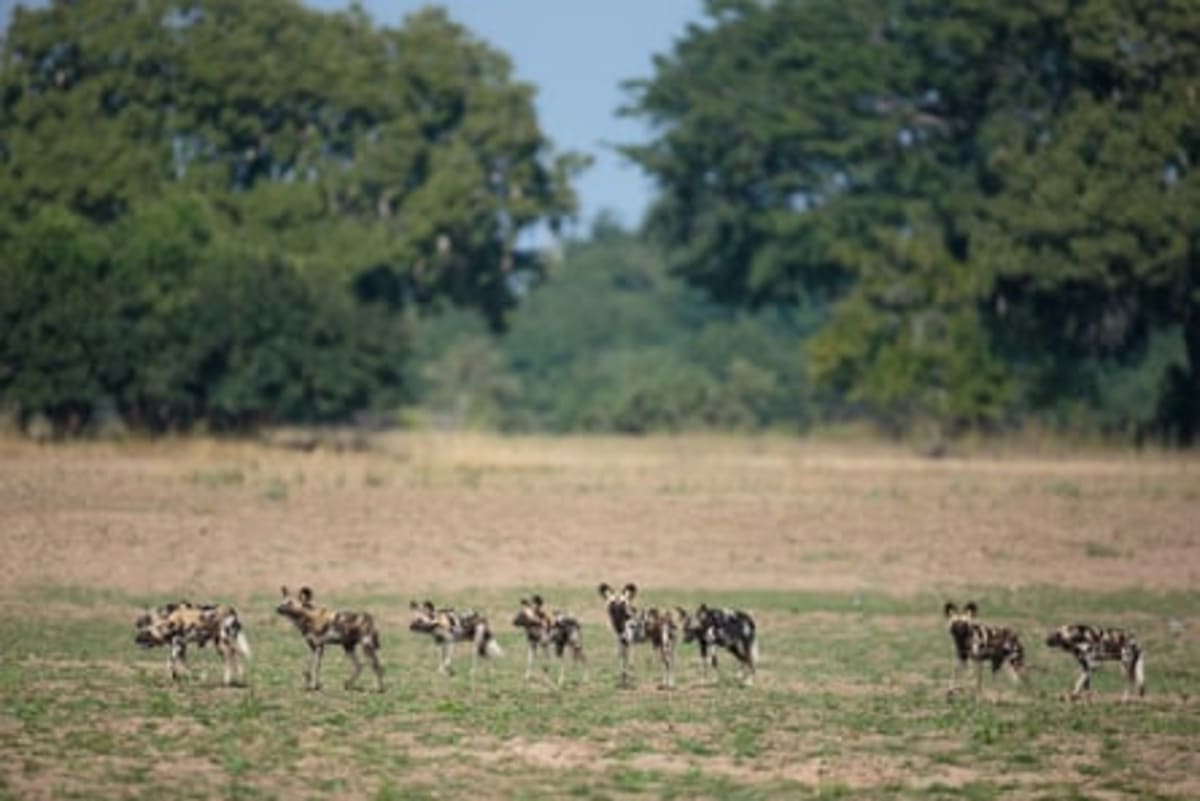
Three brothers set out from their home in western Zambia with nothing but instinct guiding them toward an uncertain future. Eight months and 2,500 miles later, these African wild dogs found a new territory in the eastern Luangwa valley, completing the longest single journey ever recorded by any African mammal.
Scientists from the Zambian Carnivore Programme tracked the brothers using GPS collars as they left Kafue National Park. Young wild dogs must leave their birth pack to find mates and start their own families, a dangerous rite of passage called dispersal.
The journey broke two records at once. The total distance of 2,500 miles surpassed the previous record of 2,418 miles set by other wild dogs in 2012. The point-to-point distance of 340 miles also claimed a new record.
To put this in perspective, the brothers traveled farther than the famous wildebeest migration across the Serengeti. Their journey equals walking the entire length of Chile on foot, all while dodging cars, hunters' snares, and hostile human territory.
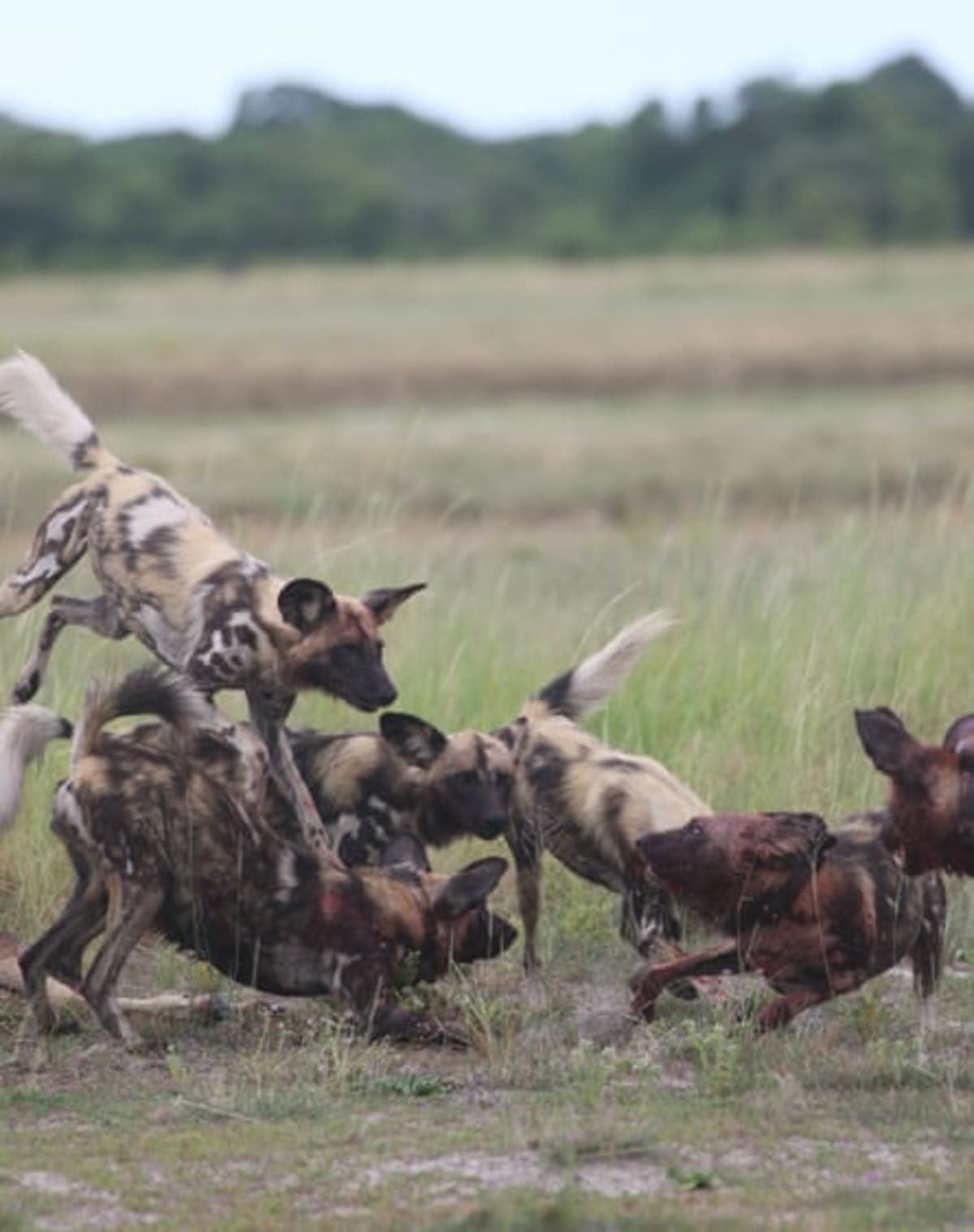
The brothers had an unexpected reunion along the way. Two months into their trek, deep in Zambia's copper-belt mining region, they encountered their sisters who had also dispersed. The siblings spent one day together before separating forever, as related dogs cannot form new packs together.
The sisters' journey ended tragically, with two dying likely from bushmeat snares. But their brothers pushed forward, navigating a landscape increasingly dominated by human development until they reached safety.
Why This Inspires
Only 6,600 African wild dogs remain across 39 populations, making them an endangered species. Habitat loss, declining prey, and human conflict threaten their survival daily.
Yet these three brothers proved something remarkable. Wildlife can still traverse vast distances through human-dominated landscapes when connections between protected areas remain intact.
Dr. Matt Becker, who led the research published in Ecology journal, says the journey reveals both hope and urgency. Natural corridors between Africa's wildlife strongholds still exist, but they're becoming increasingly difficult and dangerous to navigate.
Researchers tracked 19 separate wild dog groups to understand dispersal patterns. The data shows that rather than relying solely on fenced reserves, conservation must focus on maintaining connected landscapes across regions.
The Kavango-Zambezi transfrontier area, spanning five countries including Zambia, represents this new approach. Governments are working to preserve migration routes so species like wild dogs and elephants can continue their ancient journeys.
Dr. Nyambe Nyambe, who directs the conservation region, believes the brothers showed us the path forward. If we protect and improve connections between parks, community areas, and nations, wild dogs can handle the rest themselves.
These three brothers didn't just find a new home—they mapped a route to survival for their entire species.
More Images

Based on reporting by Guardian Environment
This story was written by BrightWire based on verified news reports.
Spread the positivity!
Share this good news with someone who needs it