Tin Replaces Rare Metal in Solar Panels, Cuts Costs 99%
Scientists built the first commercial-size solar panel that ditches expensive indium for abundant tin, cutting material costs to just 1% while boosting efficiency to 31%. The breakthrough brings cheaper, more powerful solar energy within reach for millions.
Solar panels just got a massive upgrade that could make clean energy affordable for far more people around the world.
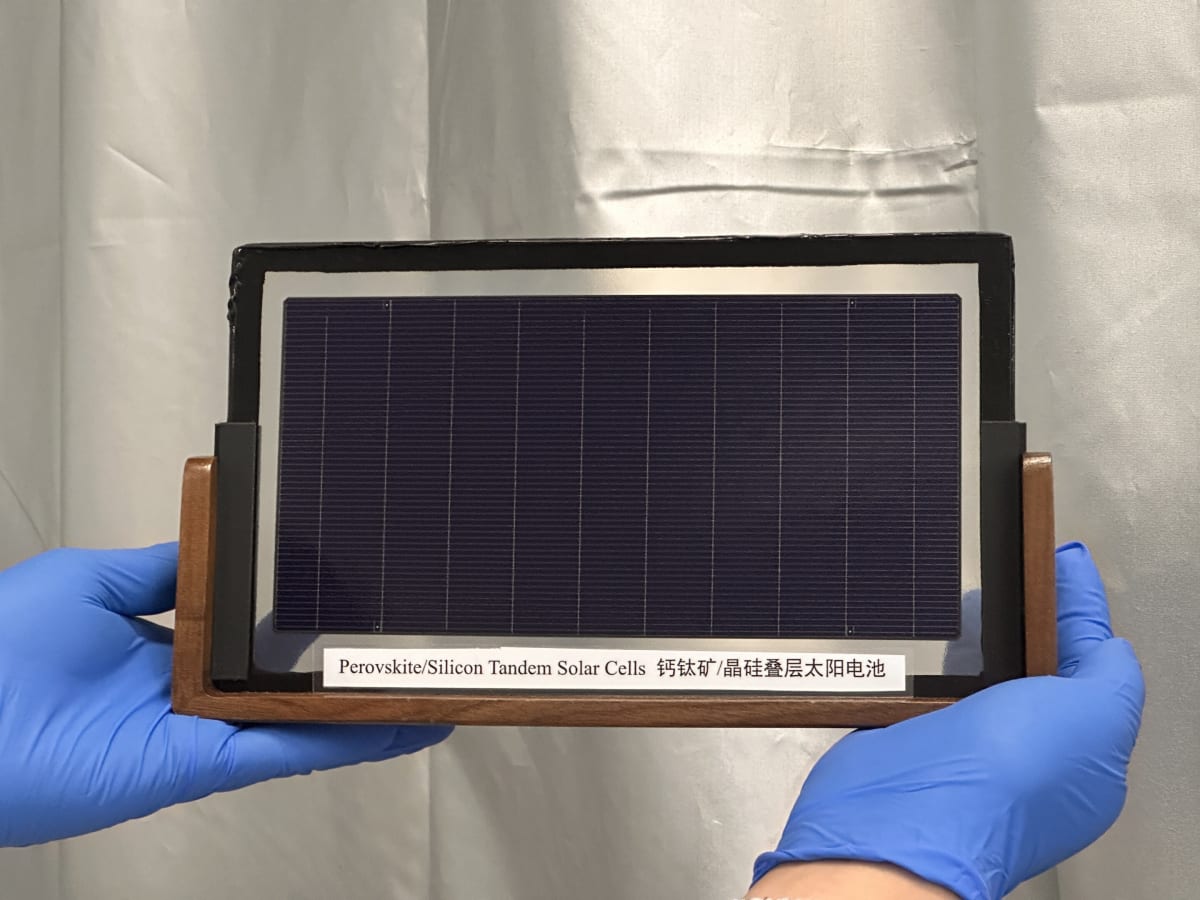
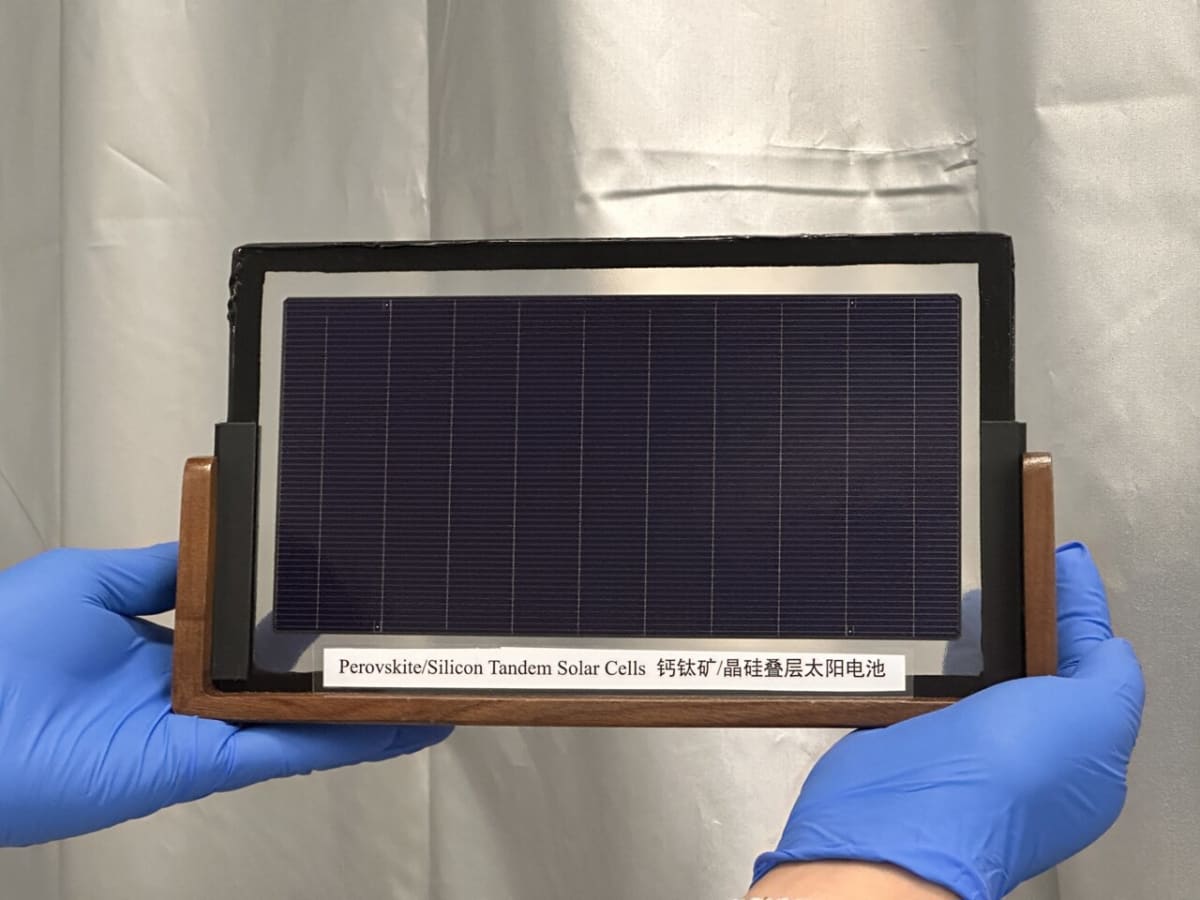
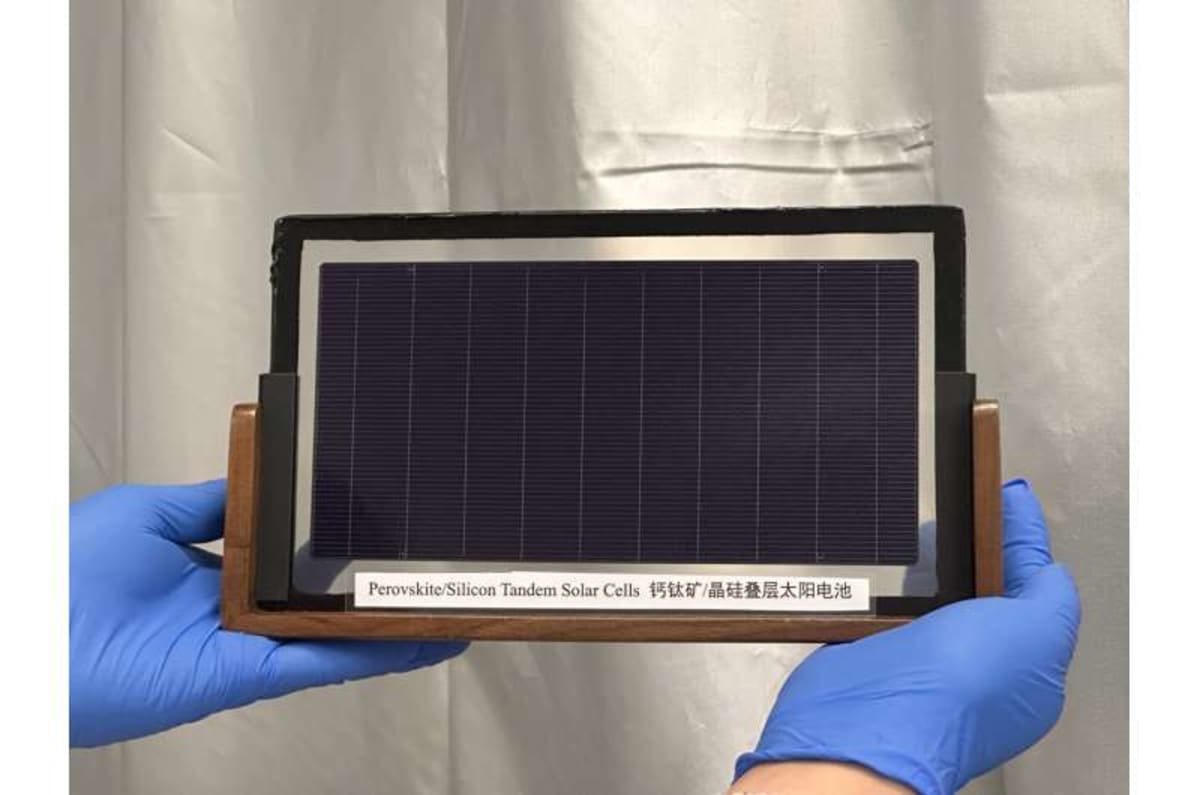
An international research team at Monash University has built the first high-performance, commercial-size solar cell that replaces indium, a scarce and expensive metal, with tin oxide. The swap slashes material costs to just 1% of the original while maintaining impressive efficiency.
The breakthrough tandem solar cells achieved a certified 31% efficiency in commercial-size modules. That means they convert nearly a third of sunlight into electricity, far surpassing traditional panels, without relying on materials in short supply.
Professor Yuan Cheng from Monash's Department of Materials Science and Engineering called it a game-changer for the industry. "This breakthrough unveils a new material paradigm and a highly viable engineering route for low-cost, sustainable and scalable tandem photovoltaics," he said.
The team used a low-damage reactive plasma deposition process to apply tin oxide films as the recombination layer in the solar cells. They then scaled the technology from tiny lab samples to a 207.9 square centimeter mini-module, proving it works at sizes closer to real-world applications.
The new panels don't just save money. They also proved remarkably durable, withstanding heat, humidity, and more than three months of outdoor operation while maintaining strong performance.
The Ripple Effect
As solar energy demand explodes worldwide, reducing dependence on rare materials like indium becomes critical. Indium appears in smartphones, touchscreens, and countless electronics, making its limited supply a bottleneck for large-scale manufacturing.
By switching to tin, one of Earth's more abundant metals, manufacturers could produce solar panels at scale without hitting material shortages. The research, published in the journal Science, demonstrates that high performance doesn't require high-cost materials.
The 31% efficiency milestone matters because it proves next-generation solar technology can work at commercial sizes. Previous tandem cells showed promise in laboratories but struggled to maintain performance when scaled up.
The breakthrough arrives at a crucial moment. Countries worldwide are racing to expand renewable energy capacity, and cheaper, more efficient solar panels could accelerate that transition dramatically.
For homeowners and businesses eyeing solar installations, this research points toward a future where panels cost less upfront and generate more power from the same rooftop space. That combination could tip the economics in favor of clean energy for millions who currently find it out of reach.
The path from laboratory breakthrough to products on shelves typically takes years, but this research clears a major hurdle by proving the technology works at commercial scale with materials that won't run out anytime soon.
More Images


Based on reporting by Google News - Clean Energy
This story was written by BrightWire based on verified news reports.
Spread the positivity!
Share this good news with someone who needs it