Tiny 90M-Year-Old Dino Fossil Rewrites Evolution Playbook
A chicken-sized dinosaur skeleton from Argentina proves small dinosaurs stayed small on purpose, not by shrinking over time. The discovery flips decades of thinking about how these ancient creatures evolved.
📺 Watch the full story above
Scientists just proved that being small was a winning strategy for dinosaurs, not a sign of decline.
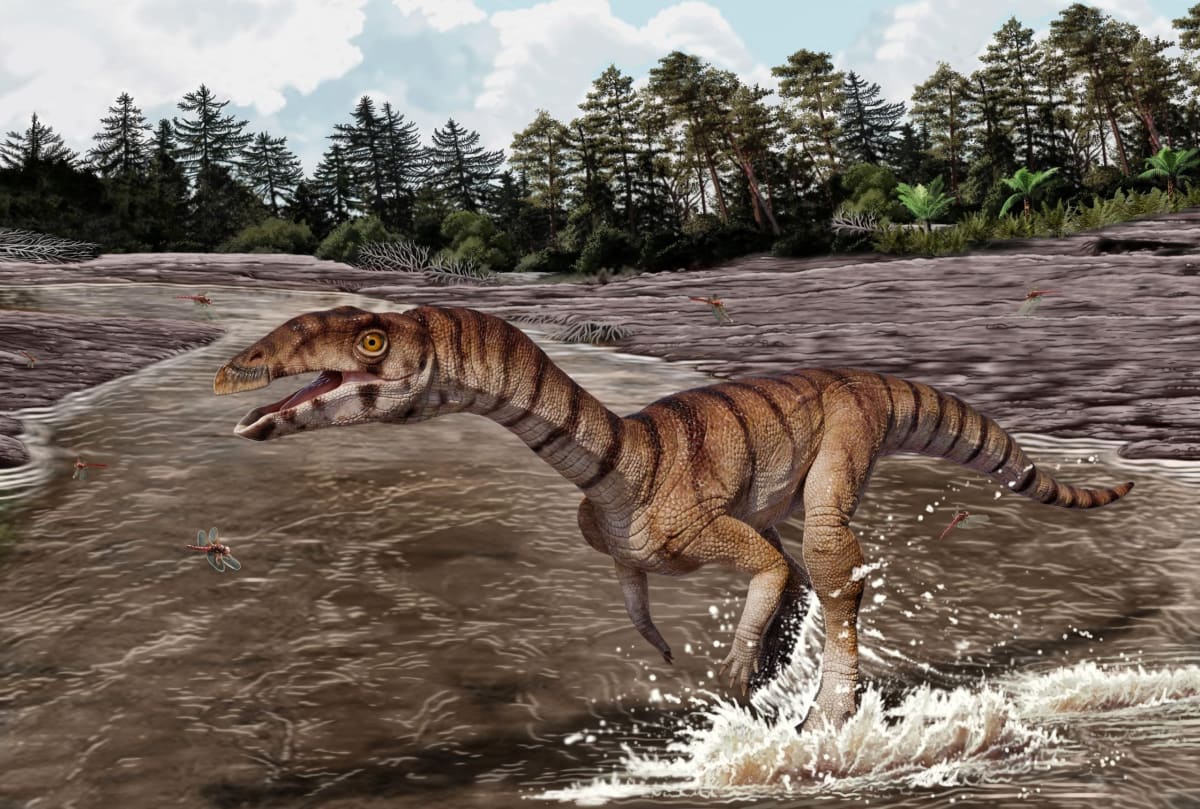
A 90-million-year-old skeleton unearthed in Argentina reveals Alnashetri cerropoliciensis, an adult dinosaur that weighed less than 2 pounds when fully grown. This bird-like creature challenges everything paleontologists thought about dinosaur size evolution.
The fossil came from La Buitrera in northern Patagonia, a site famous for preserving tiny ancient creatures that usually get crushed at other locations. Researchers spent ten years carefully extracting the delicate bones without damage.
Peter Makovicky from the University of Minnesota led the team that published findings in Nature this February. The skeleton was nearly complete, offering unprecedented detail about these mysterious dinosaurs called alvarezsaurs.
Here's what makes this discovery revolutionary: microscopic analysis showed clear growth lines in the bones, proving the dinosaur lived at least four years. This wasn't a baby that died young but a fully mature adult that simply stayed small.
Alvarezsaurs have puzzled scientists with their odd features: stubby arms with oversized thumb claws and tiny teeth perfect for raiding ant nests. Asian sites provided the best examples until now, but South American fossils were too fragmentary to tell the full story.
Alnashetri cerropoliciensis changed that. Makovicky calls it a "paleontological Rosetta Stone" because its completeness helps researchers identify broken specimens sitting in museum collections worldwide.
The fossil showed surprising features compared to later alvarezsaurs. This ancient version had long, functional arms and prominent teeth, suggesting it ate varied foods and could grasp objects. Later relatives evolved shorter limbs and specialized for hacking into termite mounds.
Why This Inspires
This discovery proves that small size wasn't a desperate adaptation or evolutionary dead end. These tiny dinosaurs thrived for millions of years alongside their towering cousins, carving out successful niches in Cretaceous ecosystems.
The fossil shows evolution doesn't follow neat, predictable paths. Instead of shrinking gradually over time, these dinosaurs evolved small bodies multiple times through opportunistic changes. Being tiny worked so well they stuck with it across generations.
La Buitrera continues revealing hidden players in ancient ecosystems that bigger dig sites miss. The location has yielded primitive snakes and miniature saber-toothed mammals, painting a richer picture of life 90 million years ago.
Small but mighty turns out to be a timeless strategy for success.
More Images
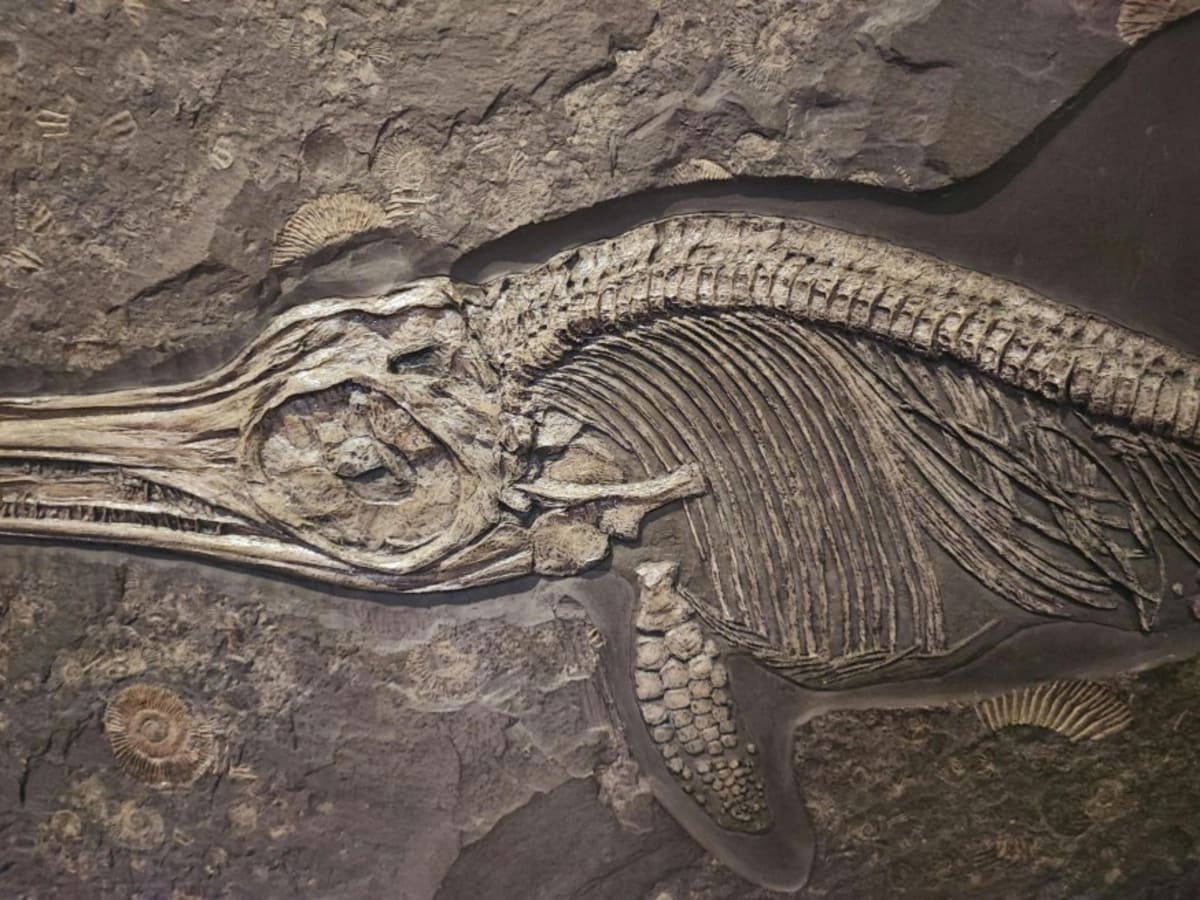
Based on reporting by Google: fossil discovery
This story was written by BrightWire based on verified news reports.
Spread the positivity!
Share this good news with someone who needs it