Tiny Endangered Babirusa Brings Hope to Rare Species
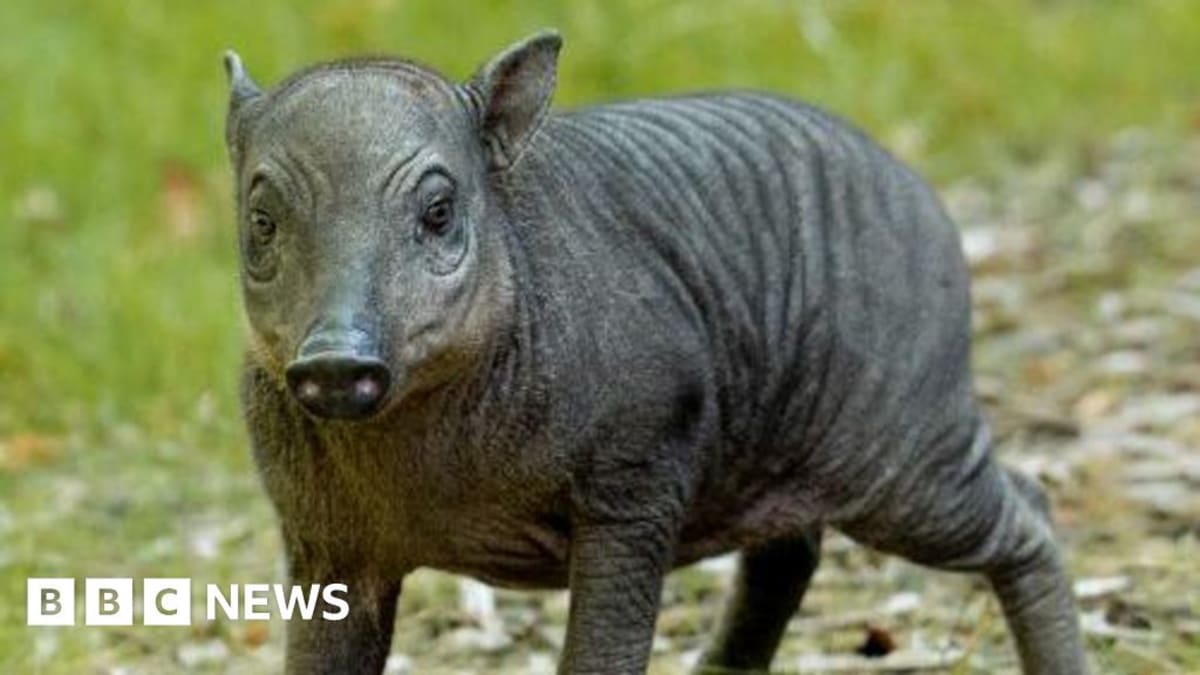
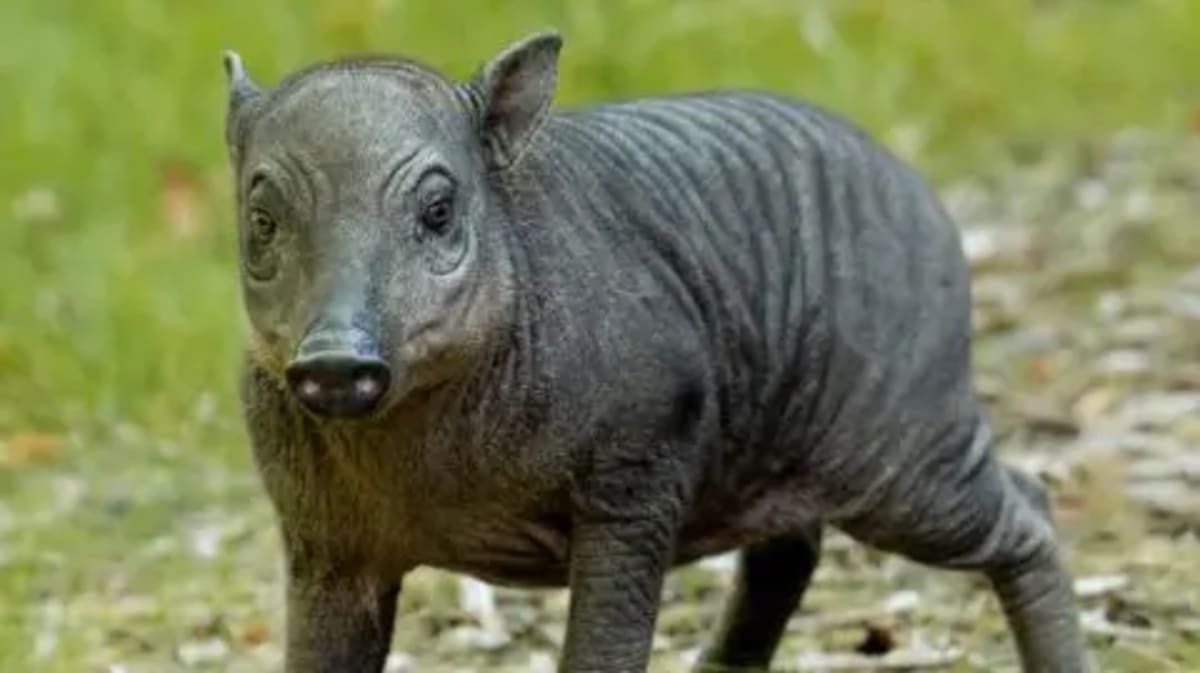
A grapefruit-sized babirusa piglet named Rana has made her debut at Chester Zoo, offering hope for a species racing toward extinction. The pig-deer is now thriving as conservationists work to save her kind from disappearing forever.
A piglet the size of a grapefruit with legs just became a lifeline for one of the world's most unusual endangered species.
Chester Zoo in England welcomed Rana, a babirusa born to mother Matano earlier this year. Babirusas, nicknamed "pig-deer" in Malay, are found only on four Indonesian islands and are rapidly vanishing from the wild.
The situation grew dire five years ago when African swine fever reached the islands, devastating wild populations. The species is about to be upgraded from vulnerable to critically endangered by the International Union for Conservation of Nature.
Keeper Hannah Owens watched Rana and her mother remotely through a baby monitor until they were ready for public viewing. New babirusa mothers are extremely sensitive to disturbance, so the team gave them space while still keeping watch.
"She was tiny when she was born but has grown a lot and is doing really well," Owens said. Rana was covered in ginger fuzz at birth, though that has since disappeared, leaving the hairless appearance typical of adult babirusas.
Unlike most pigs, babirusas have only one or two babies at a time instead of large litters. This makes recovery painfully slow when wild populations take a hit.
The Ripple Effect
Rana's arrival matters far beyond one adorable piglet. Babirusas play a crucial role in Indonesian island ecosystems by dropping seeds as they forage, helping forests regenerate naturally.
They also serve as indicator species for overall ecosystem health. When babirusas struggle, it signals trouble for the entire habitat.
Rana is the fifth piglet born to Matano, who was herself born at Chester Zoo 11 years ago. Matano now has descendants living in zoos across Europe, creating a safety net for the species.
Conservationist Amy Humphreys called Rana's birth worth celebrating but acknowledged the situation remains bleak. "We risk losing a truly unique species, one that's an important part of Indonesia's cultural and natural heritage and one of the oldest pig species still living," she said.
Male babirusas are the only pigs whose upper tusks erupt through their snout bones and curve back toward their faces. This distinctive feature inspired their pig-deer nickname and makes them instantly recognizable.
Chester Zoo conservationists are partnering with Action Indonesia Global Species Management Plans to protect wild populations. Their work focuses on habitat preservation and disease prevention on the Indonesian islands where babirusas cling to survival.
Every new birth offers hope in what Humphreys called "a race against time."
More Images

Based on reporting by BBC Science
This story was written by BrightWire based on verified news reports.
Spread the positivity!
Share this good news with someone who needs it