Tiny Maggots Clean Wounds Better Than Surgery Can
When Polly Cleveland's husband developed infected bedsores, she turned to an unusual solution: medical maggots that ate away the dead tissue overnight. Now doctors are rediscovering this FDA-approved therapy that saves limbs and lives without surgery.
When New Yorker Polly Cleveland saw her husband's infected bedsores getting worse in 2023, she ordered a vial of tiny maggots online and changed everything.
The wounds smelled terrible and refused to heal. Traditional treatments weren't working, and the medical team had never heard of maggot therapy.
But Cleveland, who had always loved bugs, found a lab that ships FDA-approved medical maggots overnight. She placed the tiny larvae on her husband's wounds, and within days, the infected tissue was gone, replaced by healthy pink skin.
It sounds like something from medieval times, but maggot therapy is a FDA-cleared medical treatment that's helping patients across America. The larvae are raised in sterile labs and work with surgical precision that human hands can't match.
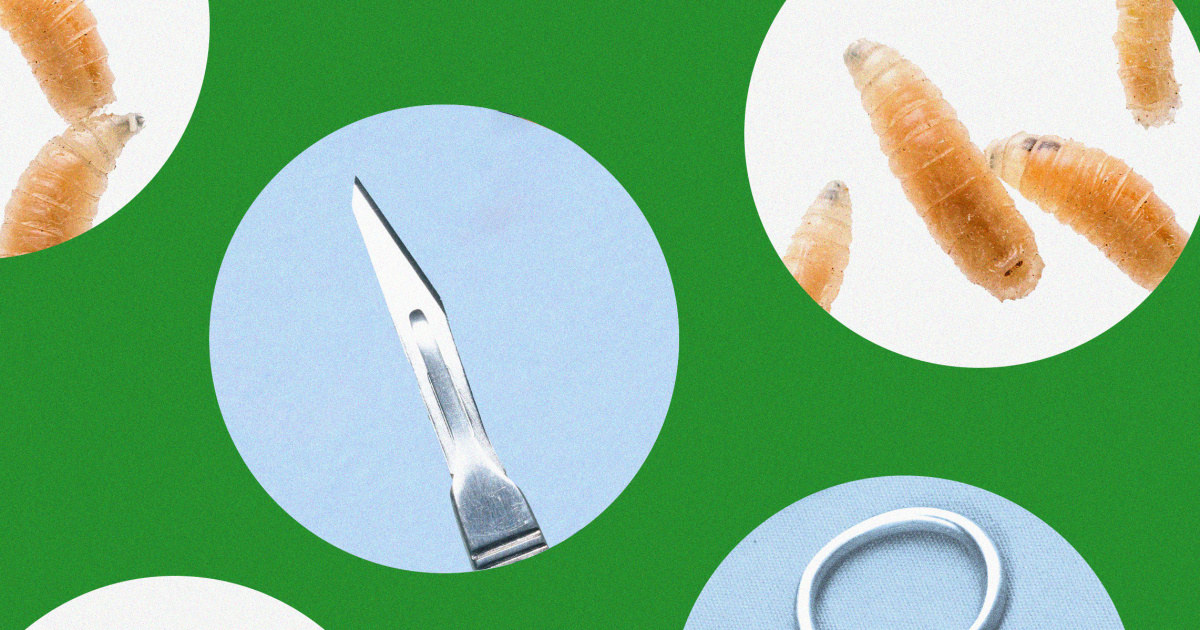
Dr. Ronald Sherman, who pioneered modern maggot therapy, explains why they're so effective. The maggots secrete digestive enzymes that dissolve only dead, infected tissue while leaving healthy cells completely untouched.
"They do not have teeth," Sherman said. "The healthy tissue stays behind."
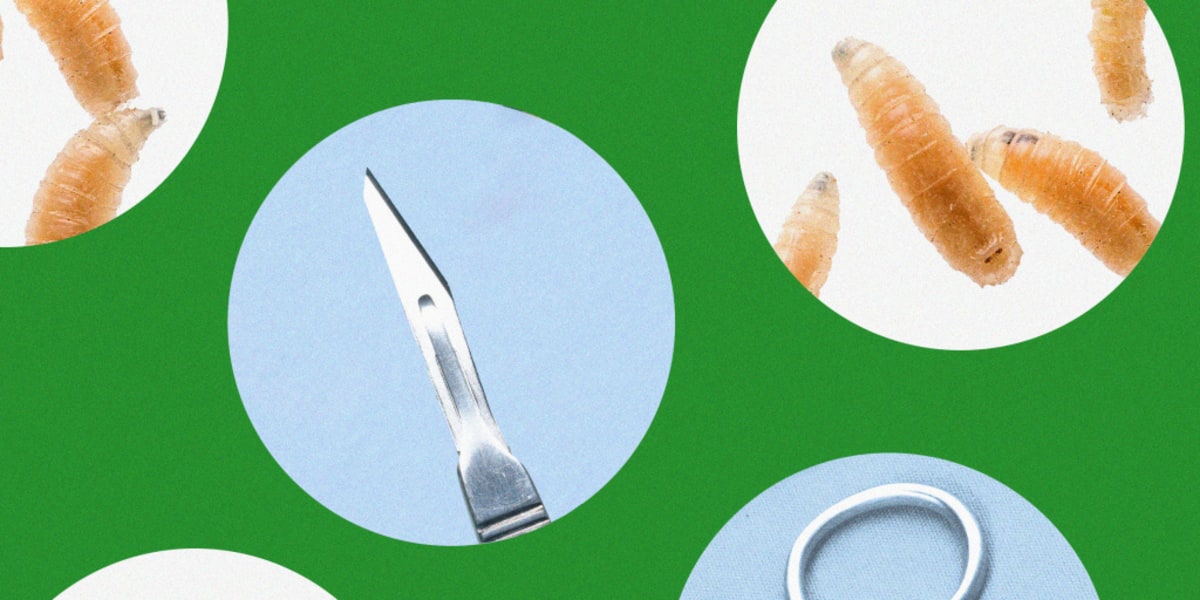
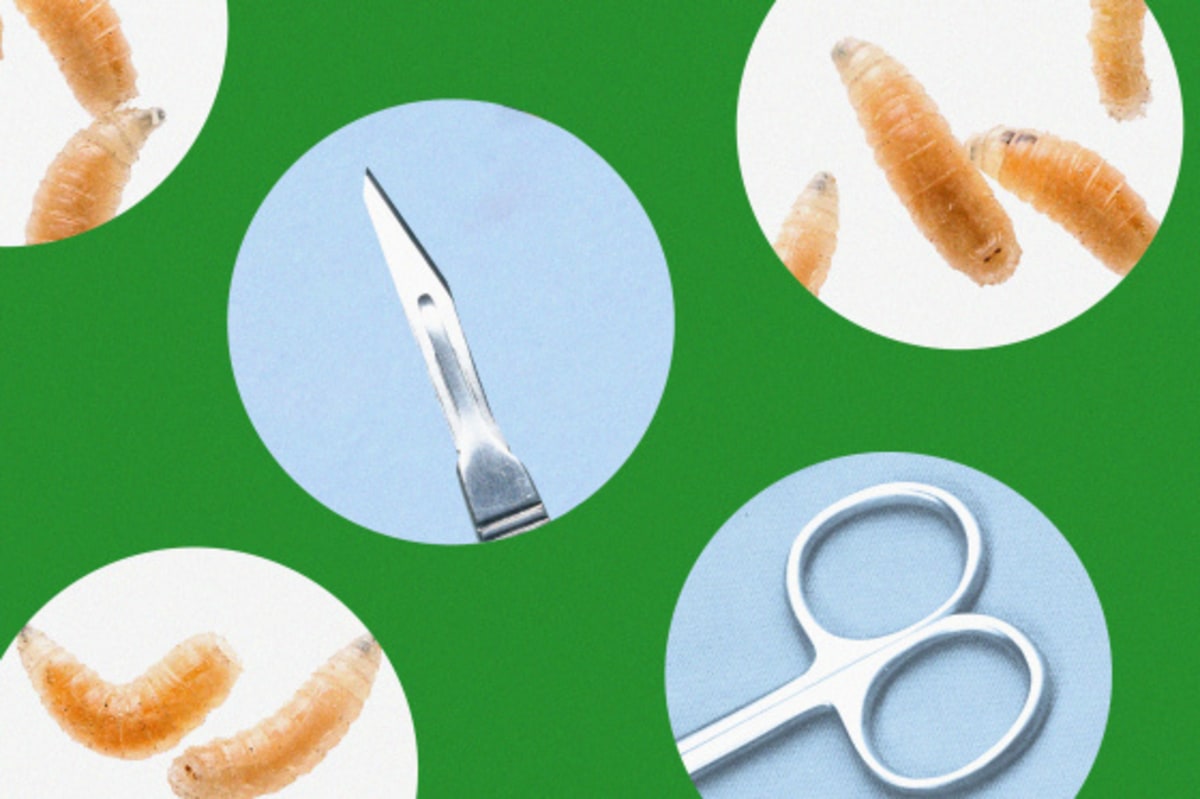
Surgeons use scalpels that cut in straight lines, but the border between healthy and dead tissue is rarely straight. Maggots navigate these irregular borders at a microscopic level, removing infection with pinpoint accuracy.
The treatment is painless and requires no anesthesia, making it perfect for patients who can't handle surgery. Lisa Baxter's team at Tufts Medical Center uses maggot therapy for heart transplant patients who need wounds healed before they can receive their new organ.
During the pandemic, Dr. David Armstrong saved a patient's foot using home maggot therapy over video call. The man had heart failure, diabetes, and a gangrenous wound, but his surgery was canceled because of Covid.
Nurses visited with maggots in hand, and Armstrong guided the treatment remotely. The approach prevented amputation and saved the patient from losing more of his foot.
The Ripple Effect
About 400 medical maggots can treat one or two wounds for around $400, less than many prescription ointments that take 12 weeks to work. Maggots typically clean wounds in just days.
The biggest barrier isn't effectiveness but squeamishness. Some doctors refuse to prescribe them despite patient requests, and insurance reimbursement remains inadequate compared to less effective alternatives.
Yet patients like 71-year-old Larry Way of Massachusetts are getting past the "yuck factor" when they see results. Medical centers from Boston to Los Angeles are quietly adding these tiny helpers to their treatment options.
As more doctors rediscover what surgeons knew centuries ago, these microscopic cleaners are giving patients new hope without going under the knife.
More Images


Based on reporting by Google News - Health
This story was written by BrightWire based on verified news reports.
Spread the positivity!
Share this good news with someone who needs it