Tiny Miyawaki Forests Bring Dense Green to U.S. Cities
Dense mini-forests pioneered by a Japanese botanist are transforming degraded urban land across America, growing faster than conventional forests. Cambridge planted 1,400 trees in just 4,000 square feet, but scientists urge careful use of this promising technique.
Cities across America are packing thousands of trees into spaces smaller than a typical backyard, creating lush mini-forests that grow up to 10 times faster than traditional plantings.
The Miyawaki method, named after Japanese botanist Akira Miyawaki, plants native trees and shrubs extremely close together to mimic how nature would arrange them. The tight spacing makes trees compete for sunlight, encouraging rapid upward growth while their roots create dense networks below.
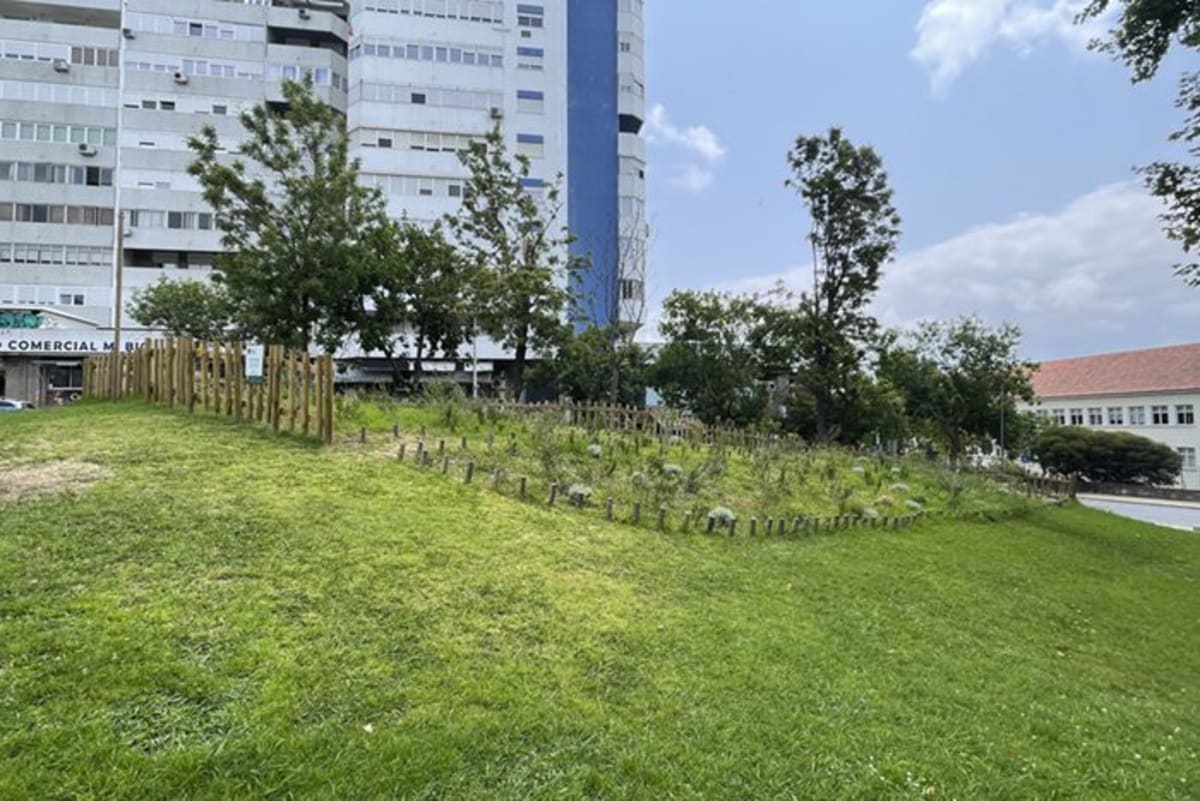
Cambridge, Massachusetts, transformed a 4,000-square-foot plot at Danehy Park in 2021, fitting 1,400 trees from 32 native species into the space. Western Washington University in Bellingham is using the technique to reclaim land overtaken by invasive plants, restoring the region's natural Coastal Western Hemlock forest.
The method works especially well in cities because it turns small, degraded parcels into functional forests. Practitioners prepare the soil carefully, then pack in seedlings representing different forest layers from ground cover to canopy. Mulch, watering and weeding help the young trees establish themselves during their critical first years.
The approach recreates what Miyawaki called "potential natural vegetation," the plant community that would naturally thrive in an area without human interference. By choosing locally native species adapted to regional soils and rainfall, these forests can establish quickly and support local wildlife.
The Bright Side
While some early claims about Miyawaki forests outpaced the science, researchers confirm they create valuable urban green spaces when used correctly. A 2026 Journal of Applied Ecology review found the method works best on degraded land in naturally forested regions, not as a universal solution for every landscape.
The key is matching the restoration to what actually belongs there. Converting native prairie or desert into dense forest would destroy existing habitat rather than create it. But in the right urban settings with carefully chosen native plants, these pocket forests offer real ecological benefits.
Ecologist Ignacio Fernández, who reviewed the research, supports the method when applied thoughtfully. "We are not against the Miyawaki method," he told Mongabay, emphasizing it should be viewed as one tool in the restoration toolkit rather than a miracle cure.
As more American cities embrace the approach, these tiny forests prove that even small urban spaces can support thriving ecosystems when we work with nature instead of against it.
Based on reporting by Google News - Reforestation
This story was written by BrightWire based on verified news reports.
Spread the positivity!
Share this good news with someone who needs it