Tiny Snails Come Back from 21 Survivors Under One Rock
A species of snail reduced to just 21 individuals hiding beneath a single rock is now thriving again on a Portuguese island. International zoos cracked the code on breeding these nearly extinct mollusks and returned hundreds to the wild.
Sometimes the biggest conservation victories come in the smallest packages imaginable.
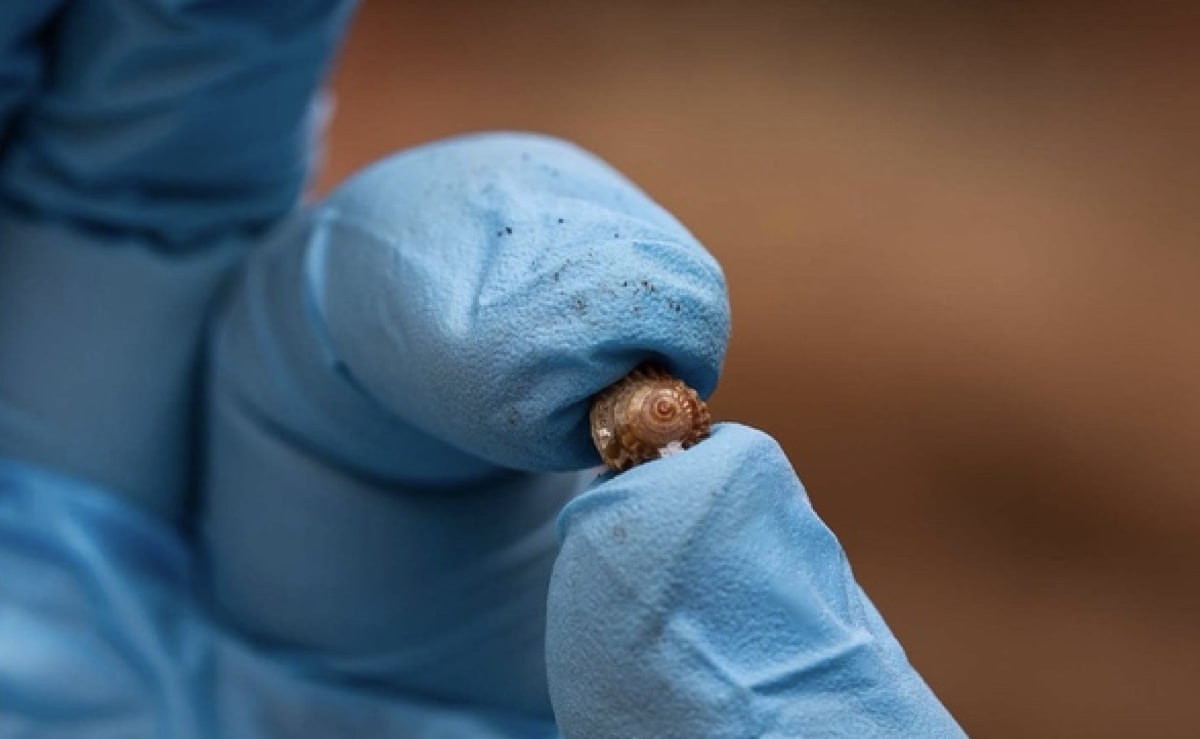
Four species of critically endangered land snails are returning to their Portuguese island home after an international rescue mission saved them from extinction. Among them is Geomitra coronula, a species that just a few years ago existed as only 21 individuals sheltering beneath a single rock on Bugio Island.
Each snail measures less than 8 millimeters, roughly the size of a grain of rice. But their near disappearance told a bigger story about what happens when ecosystems collapse.
Over centuries, introduced goats, rabbits, and mice devastated Bugio Island's native vegetation in the Desertas Islands archipelago. With little fresh water available, invasive mice turned to the moisture-rich snails for survival, eating them to the brink of extinction.
When conservationists discovered the last 21 Geomitra coronula specimens, they faced a daunting challenge: no one knew how to keep these snails alive in captivity. The Madeira government partnered with Chester Zoo in the UK and ZooParc de Beauval in France to figure it out from scratch.
Researchers developed feeding protocols, tested environmental conditions, and learned breeding requirements for species science had barely studied. Their painstaking work paid off spectacularly.
More than 300 captive-bred Geomitra coronula and 270 Discula lyelliana snails have now been successfully returned to Bugio Island. Additional breeding colonies continue safeguarding the other rescued species.
Getting the snails home required extraordinary effort. Bugio Island has no dock, so conservationists jumped from boats into the ocean before climbing steep cliffs while carrying containers of tiny mollusks. To protect rare seabirds nesting on the island, the team worked at night using red-spectrum lights instead of bright flashlights.
The Ripple Effect
Land snails might seem insignificant, but they're ecological workhorses. They break down plant material, recycle nutrients back into soil, and keep ecosystems functioning properly.
As these restored snail populations establish themselves, they're helping rebuild Bugio Island's natural processes after years of habitat damage. Their return could accelerate recovery for the entire fragile ecosystem.
The project also showcases how modern zoos have evolved beyond animal exhibits. Facilities like Chester Zoo now serve as conservation centers, maintaining backup populations of endangered species and developing breeding techniques for animals science barely understands.
For a species whose entire global population once fit inside a petri dish, that expertise made the difference between extinction and survival. With collaboration, habitat restoration, and science-based conservation, even species balanced on the edge of disappearing can get a second chance.
Based on reporting by Google: species saved endangered
This story was written by BrightWire based on verified news reports.
Spread the positivity!
Share this good news with someone who needs it