Tiny 'Super Feather' Could Revolutionize Drone Technology
Scientists at Cornell University discovered that filoplumes, microscopic feathers once thought useless, are actually sophisticated sensors that help birds fly thousands of miles. Now engineers are using them to design better drones and aircraft.
For 150 million years, a tiny feather hiding at the base of bird wings held a secret that could change how we build flying machines.
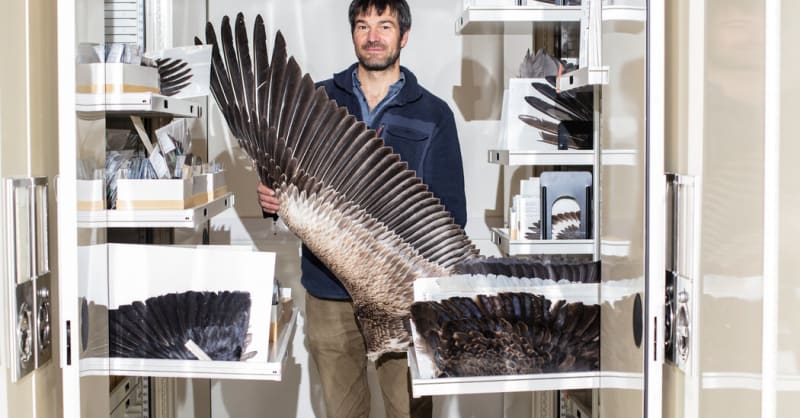
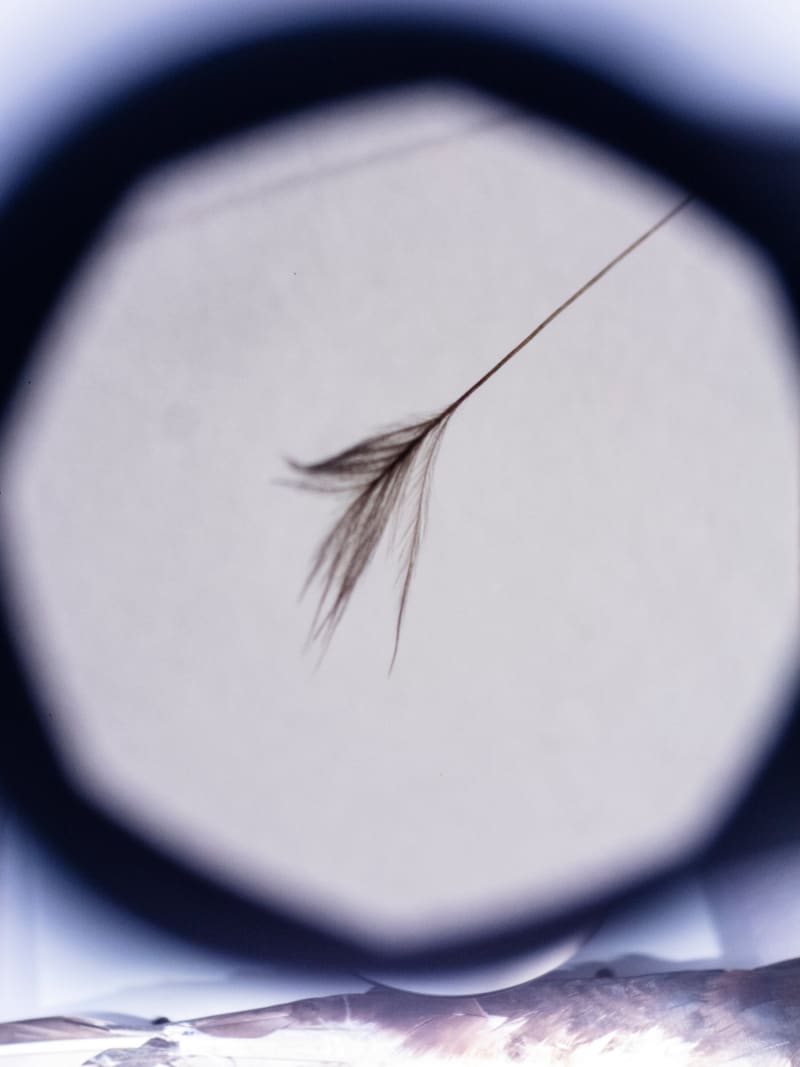
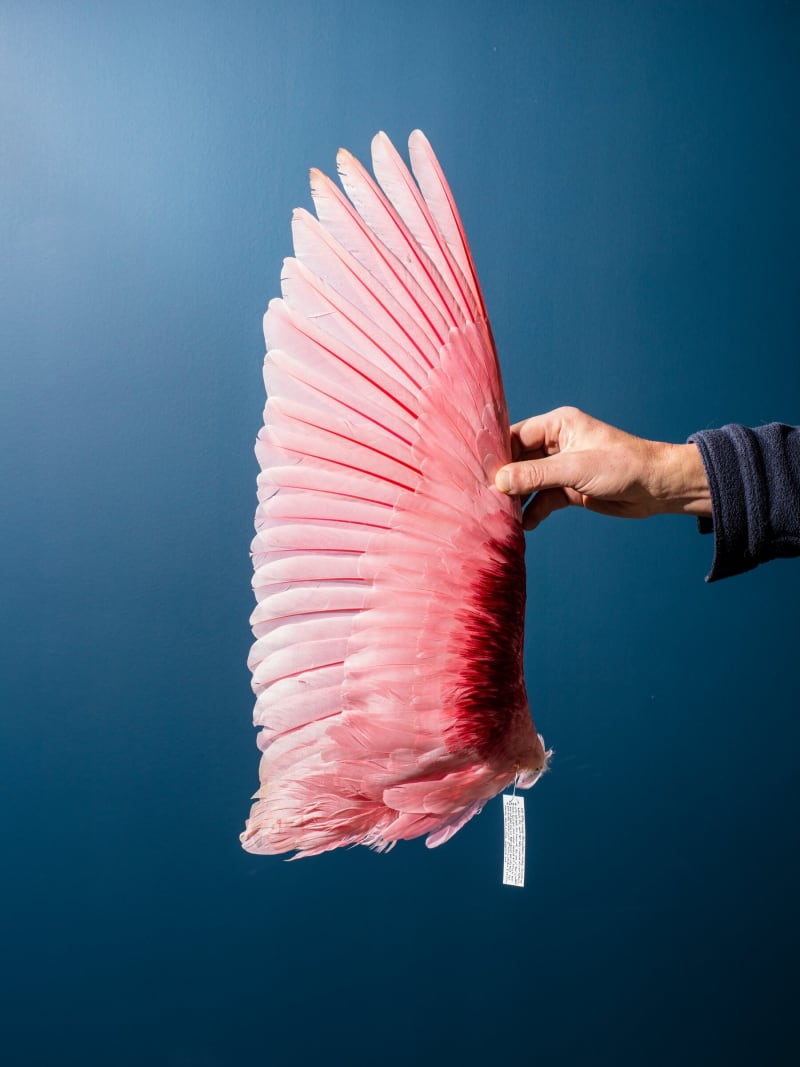
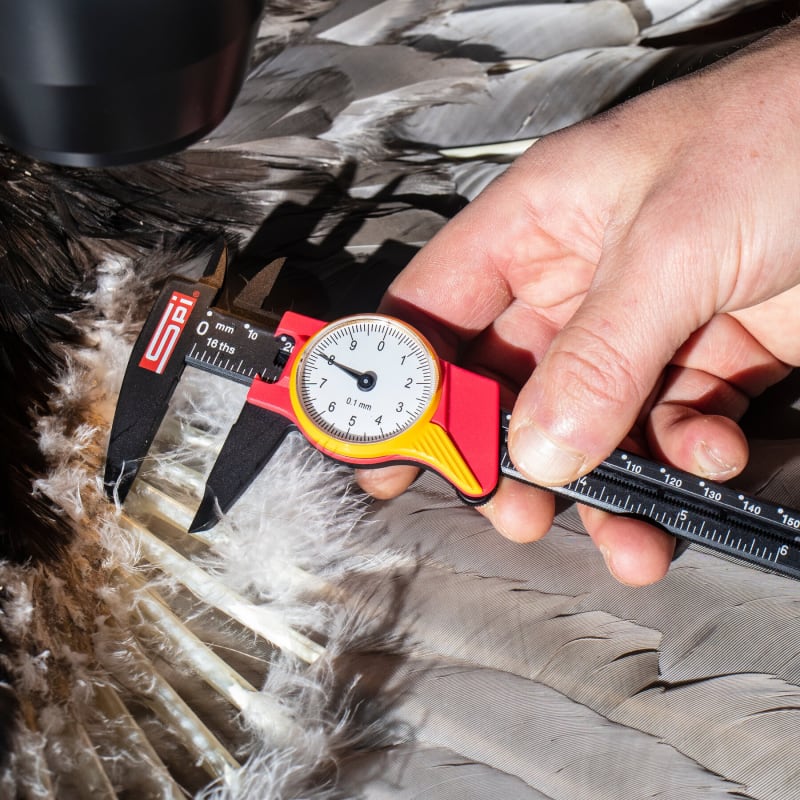
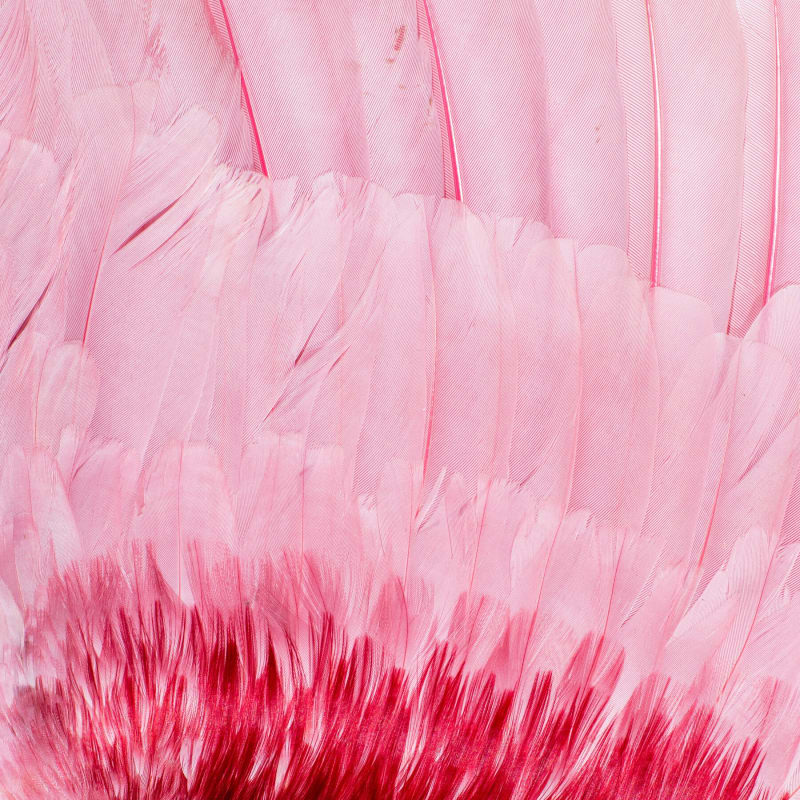
Vanya Gregor Rohwer pulled back the pink flight feather of a roseate spoonbill at Cornell University's Museum of Vertebrates to reveal something barely visible: a palm tree shaped feather called a filoplume. Scientists once dismissed these microscopic structures as useless leftovers from evolution, but the Cornell curator and his father have spent 20 years proving them wrong.
Filoplumes are actually nature's version of high-tech sensors. Through nerve endings in their follicles, these tiny feathers detect pressure, touch and vibration in nearby feathers, giving birds detailed real-time information about their flight.
The discovery explains how albatrosses can fly 6,000 miles without stopping. These champion flyers have more than 9,000 filoplumes sending constant updates about wind, temperature and feather position. Eagles, vultures and other strong fliers also pack thousands of these natural sensors into their wings.
"There is no manufacturing technology that can come close to a feather," said David Lentink, who studies birds to improve robots at the University of Groningen in the Netherlands. Even the most sophisticated 3D printers can't replicate feathers, which span nine orders of magnitude from nanoscale to meter scale.
The Rohwers made another breakthrough in 2015 when they studied a golden eagle whose tail feathers were experimentally cut. The bird regrew the damaged feather in about a year, far faster than normal. The filoplumes apparently detected the broken feather wasn't working properly and triggered rapid replacement.
Why This Inspires
Engineers are already turning filoplume research into practical applications. Researchers have developed micro hair sensors modeled after filoplumes that measure airflow, speed and direction for aircraft navigation.
Drones struggle with wind gusts because they lack the split-second sensory feedback that birds get from filoplumes. Filoplume-inspired sensors could give drones the ability to "feel" their way through turbulent air, making flights more maneuverable, efficient and quieter.
The technology could improve everything from delivery drones to search and rescue aircraft. What birds have been doing effortlessly for millions of years might soon help machines navigate our skies with the same grace.
Even flightless birds have filoplumes, proving these sensors serve purposes beyond flying. Wild turkeys use filoplumes on their bald heads to sense their surroundings, while whiskered auklets have elaborate ones atop their heads to navigate dark nesting burrows without injury.
Nature spent 150 million years perfecting a sensor we're only beginning to understand, and it's already showing us how to build a better future.
More Images
Based on reporting by Google News - Science
This story was written by BrightWire based on verified news reports.
Spread the positivity!
Share this good news with someone who needs it