Tiny Water Bears Reveal Mars Soil Secrets for Future Bases
Scientists discovered that Martian soil naturally slows down microscopic animals called tardigrades, but a simple water wash changes everything. This tiny breakthrough could help protect Mars from Earth germs while making the red planet safer for future astronauts.
📺 Watch the full story above
Microscopic animals no bigger than a grain of sand are helping scientists solve one of space exploration's biggest puzzles: how to safely build a home on Mars.
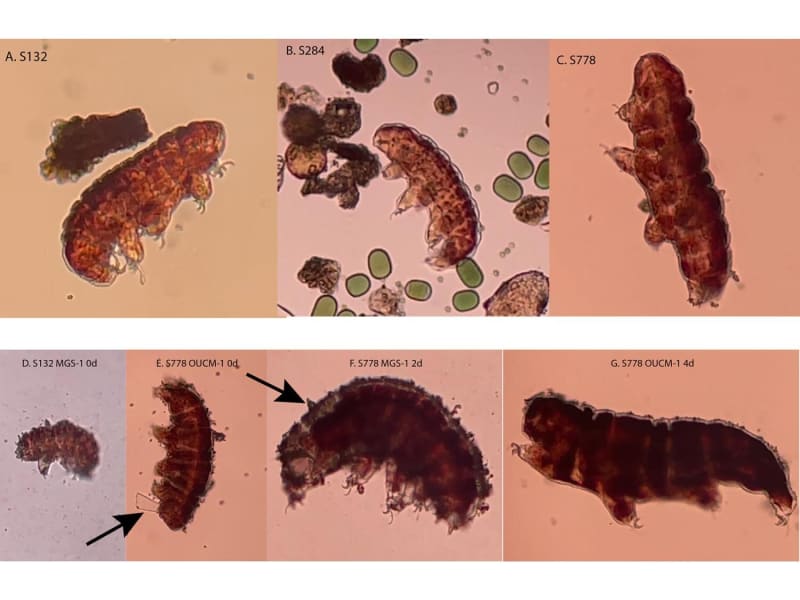
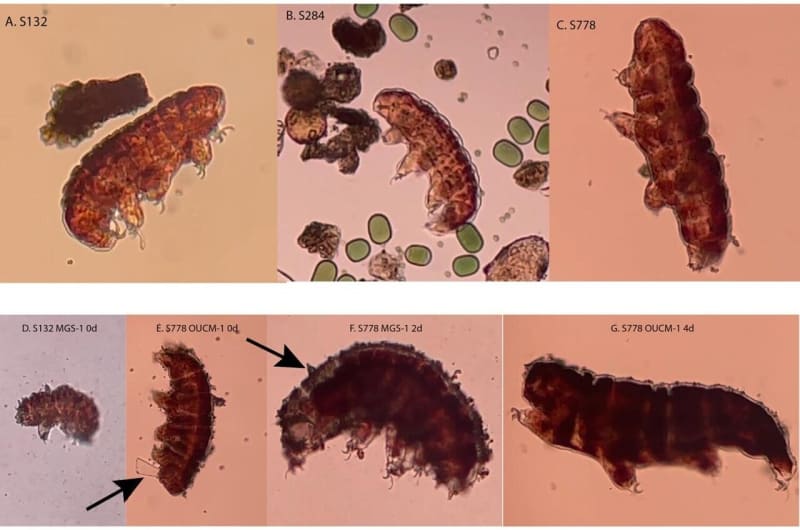
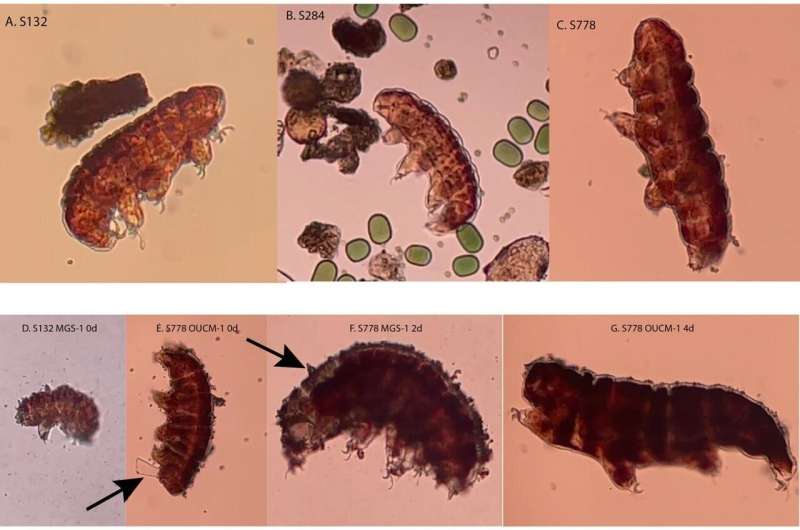
Tardigrades, nicknamed water bears for their adorable appearance under a microscope, just revealed something remarkable about Martian soil. Penn State microbiologist Corien Bakermans and her international team placed these nearly indestructible creatures in simulated Mars dirt and watched what happened.
The results surprised everyone. Within two days, the tardigrades slowed down dramatically in one type of Martian soil simulant, barely moving at all. But here's where it gets exciting: when researchers simply washed the soil with water first, the tardigrades bounced back to nearly normal activity levels.
This discovery matters for two crucial reasons. First, it suggests Mars might have a built-in defense system against Earth microbes that hitchhike on spacecraft and equipment. Second, it shows that future Mars colonists could potentially treat the soil to make it safe for growing food and supporting human life.
"When considering sending people to non-Earth environments, we need to understand two things: how the environment will impact the people and how the people will impact the environment," Bakermans explained. Her team tested two different Mars soil simulants, both designed to match samples from NASA's Curiosity Rover at the Gale Crater.
Tardigrades make perfect test subjects for this research. In their dormant state, they survive the vacuum of space, ocean depths, and extreme temperatures. When active, they're still remarkably tough but sensitive enough to show researchers what conditions might harm larger organisms.
The Ripple Effect: This small study opens big doors for space exploration. Planetary protection agreements between countries require keeping Mars safe from Earth contamination while protecting our science from interference. If Martian soil naturally inhibits Earth life, mission planners have one less concern when designing future expeditions.
Better yet, the fact that water washing reduces the soil's harmful effects means astronauts could potentially process Martian regolith for agriculture and construction. Growing fresh food on Mars would be essential for long-term human presence, making this discovery a practical step toward sustainable space communities.
The research, published in the International Journal of Astrobiology, represents years of painstaking work. Bakermans watched individual tardigrades through microscopes over days, documenting every movement and interaction with the simulated soil particles.
While we're still years away from Mars missions, these tiny water bears are already showing us the path forward. Their resilience and sensitivity together make them perfect ambassadors for understanding how life from Earth might interact with alien worlds.
One microscopic step for tardigrades, one giant leap for future Martians.
More Images

Based on reporting by Phys.org
This story was written by BrightWire based on verified news reports.
Spread the positivity!
Share this good news with someone who needs it