Tiny Worms Could Speed Cure for Rare Childhood Disease
Scientists at Brown University engineered microscopic worms to help find treatments for a devastating childhood paralysis condition that currently has no cure. The breakthrough could let researchers screen thousands of potential drugs quickly and affordably.
A mother watching her 10-year-old daughter's symptoms worsen finally has reason for hope, thanks to worms smaller than a grain of sand.
Brown University researchers have created a genetically modified worm model that could revolutionize treatment for alternating hemiplegia of childhood (AHC), a rare disorder causing paralysis, seizures, and painful muscle spasms in children. The condition has no cure and no effective treatments.
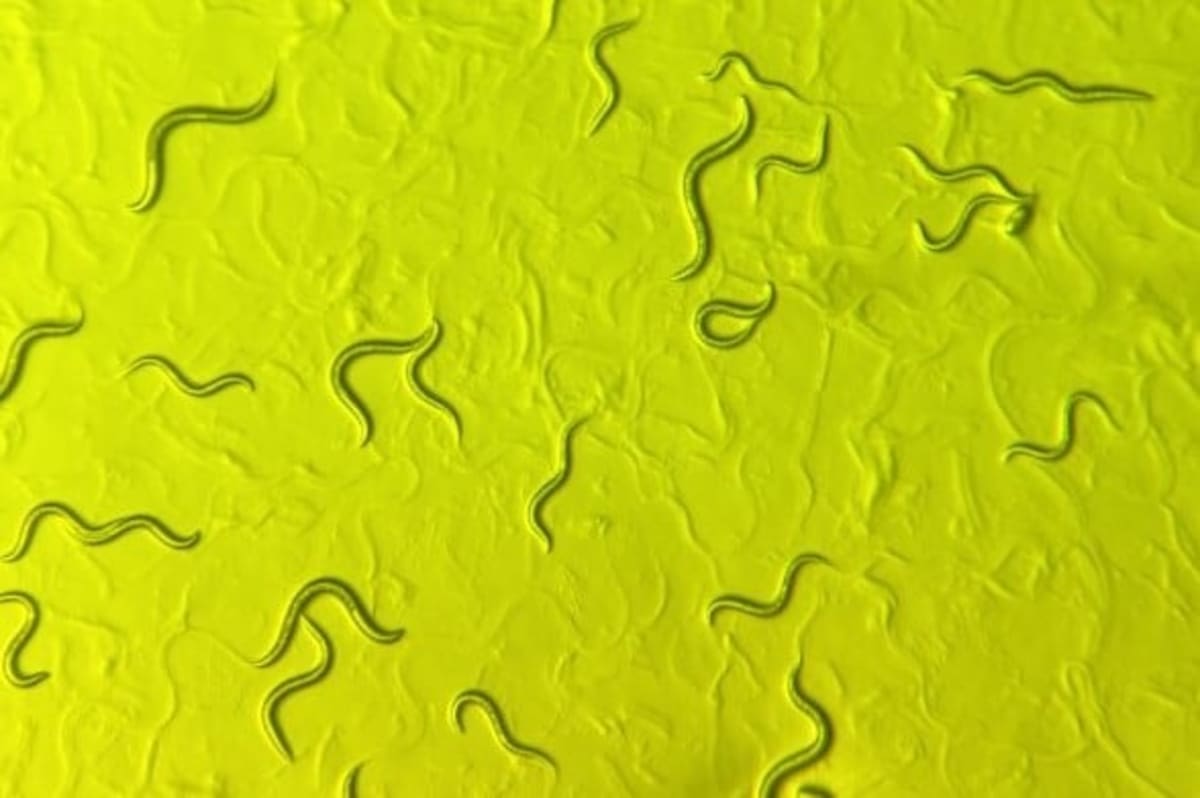
The team engineered tiny C. elegans nematodes to mimic the genetic mutations that cause AHC in humans. These microscopic worms share many of the same genes as people, including the ATP1A3 gene that malfunctions in AHC patients.
"Because these animals are so tiny and easy to grow, they are perfect for rapidly screening drugs," said Anne Hart, a neuroscience professor at Brown's Carney Institute for Brain Science. What once seemed impossible is now within reach.
Ph.D. student Diana Wall led the research, published in Disease Models and Mechanisms. Her worm models showed exactly how different gene mutations cause different symptoms in children, solving a puzzle that has frustrated doctors for years.
Each worm variant displays unique problems with nerve and muscle function, just like human patients with different mutations experience varying severity of symptoms. Some children face episodes lasting minutes while others endure days of paralysis.
Why This Inspires
Nina Frost knows firsthand what this breakthrough means. She founded the nonprofit RARE Hope after her daughter Annabel was diagnosed with AHC, and her organization helped fund the study.
"We're going from having very few treatment options to being able to screen thousands of compounds on three variants that make up about 50% of all AHC cases," Frost said. For a mother watching her daughter's condition progress, time matters.
Wall has met families like the Frosts at annual AHC symposiums. Those encounters fuel her determination to work on a condition most researchers overlook.
"Being in the same room with children with AHC and knowing that these are the people whose disease I am trying to help cure has been really rewarding," Wall said.
The screening methods the team is developing could test potential treatments faster and cheaper than ever before. What might have taken years and millions of dollars could now happen in months at a fraction of the cost.
Multiple foundations rallied behind this research, including the National Institutes of Health, RARE Hope Foundation, Hope4Livi Foundation, and Cure AHC, proving what communities can accomplish when they unite for children.
Families waiting for answers now have a clear path forward to finding treatments that work.
Based on reporting by Google News - Disease Cure
This story was written by BrightWire based on verified news reports.
Spread the positivity!
Share this good news with someone who needs it