Tiny Worms Thrive in World's Driest Desert
Scientists discovered diverse communities of microscopic soil worms surviving in Chile's ultra-dry Atacama Desert, revealing that life in Earth's harshest places is far more resilient than expected. The findings could help predict how ecosystems worldwide will respond to increasing drought.
Life is thriving in one of the most hostile places on Earth, and scientists are amazed by what they found beneath the sand.
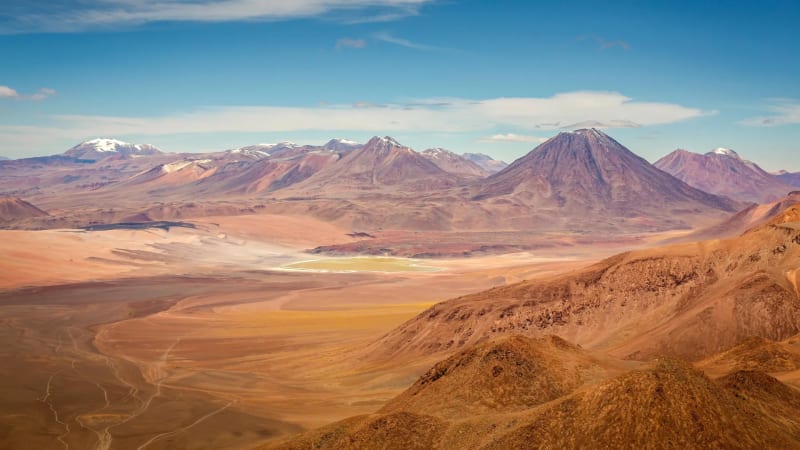
Researchers from the University of Cologne discovered thriving communities of tiny soil worms called nematodes living throughout Chile's Atacama Desert. With almost no rainfall, intense UV radiation, and wild temperature swings, the Atacama ranks among the planet's most extreme environments.
Yet these microscopic survivors are doing more than just hanging on. They're flourishing in surprising diversity across sand dunes, salt flats, and mountain slopes.
Dr. Philipp Schiffer and his international team studied six distinct regions of the desert, each with different environmental conditions. They found that wetter, higher elevation areas supported the greatest variety of species, while the driest zones revealed something unexpected.
In the most extreme locations, many nematodes reproduce asexually instead of sexually. This discovery confirms a long-standing theory that asexual reproduction offers survival advantages when conditions get truly harsh.
These findings matter far beyond one desert in Chile. Nematodes play vital roles in soil health worldwide, controlling bacteria, cycling nutrients, and serving as indicators of ecosystem balance.
The research team is part of a long-term project called "Earth: Evolution at the Dry Limit." They collected samples from diverse habitats, including fog-fed oases where plant life somehow survives against all odds.
Why This Inspires
This discovery proves that resilient ecosystems can exist even in places we assumed were nearly lifeless. Other arid regions around the world likely harbor more biodiversity than scientists previously recognized.
The timing couldn't be more important. As climate change drives increasing drought across the globe, understanding how organisms adapt to extreme dryness becomes crucial for predicting ecological impacts.
The study also revealed warning signs. Some examined regions showed simplified food webs, suggesting ecosystem damage that could make them vulnerable to future disruptions.
But the overall message brings hope. These findings show that broad ecological patterns remain detectable even under extreme conditions and can be observed at the genetic level.
The Atacama's tiny survivors demonstrate that life adapts in remarkable ways. Their resilience in Earth's driest desert suggests nature's ability to endure exceeds our expectations, even as environmental challenges grow.
Based on reporting by Science Daily
This story was written by BrightWire based on verified news reports.
Spread the positivity!
Share this good news with someone who needs it