Scientists Find 12,000 New Microbes in Tibetan Animal Poop
Researchers discovered thousands of unknown microbial species by studying fecal samples from yaks, sheep, and other herbivores on the Qinghai-Tibetan Plateau. The hidden ecosystem could lead to new medicines, climate solutions, and industrial breakthroughs.
The world's largest untapped biodiversity might be hiding in the last place anyone thought to look: animal droppings on the roof of the world.
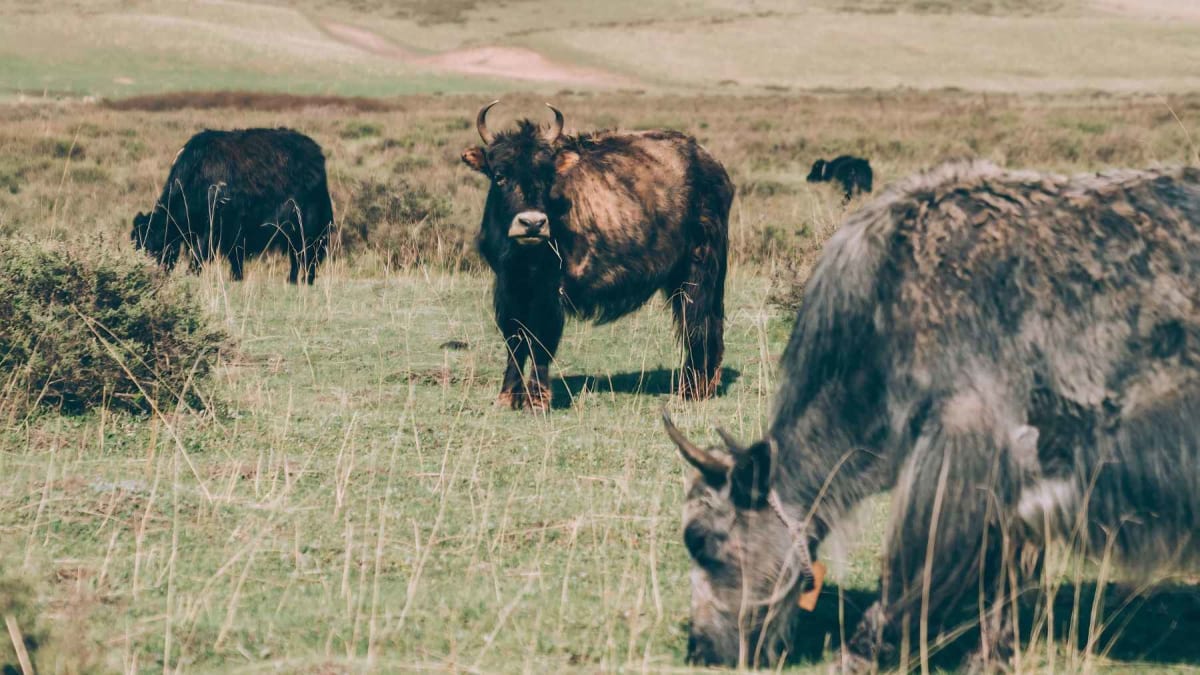
Scientists studying poop from yaks, sheep, antelopes, cattle, horses, and wild asses on the Qinghai-Tibetan Plateau have uncovered a stunning hidden world. Over five years, researchers from Yunnan University and BGI-Research collected more than 5,000 fresh fecal samples from six types of herbivores living in one of Earth's harshest environments.
What they found changes how we think about where life thrives. The team identified 14,062 distinct microbial genomes, and more than 88% appear to be completely new to science.
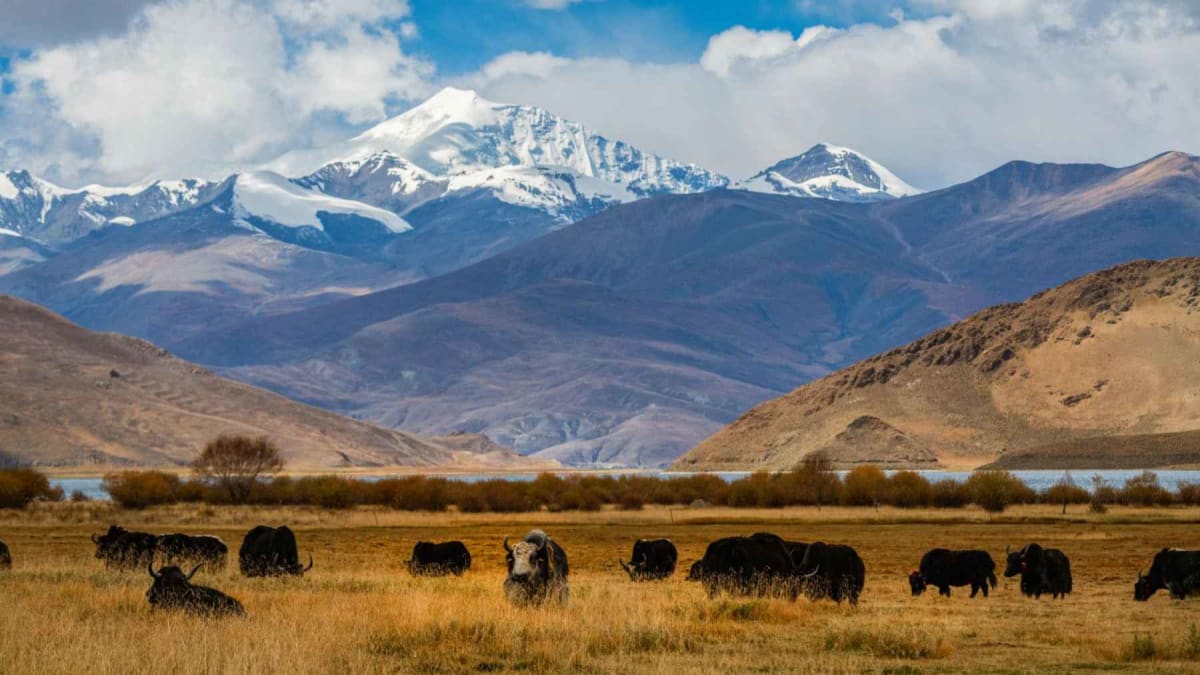
The Qinghai-Tibetan Plateau sits nearly three miles above sea level, where freezing temperatures and thin air make every breath a challenge. Yet inside the guts of animals grazing these extreme grasslands, an entire universe of microbes has quietly evolved for millions of years.
These aren't just biological curiosities collecting dust in a database. The researchers also cataloged nearly 20 million genes from these microbiomes, creating a massive map that scientists worldwide can now explore.
Herbivores survive by breaking down tough plant fibers that would pass right through human digestive systems. They accomplish this feat through armies of specialized gut microbes that have evolved alongside their hosts, adapting to process everything from frozen grasses to high-altitude vegetation.
Why This Inspires
This discovery opens doors scientists didn't even know existed. The genomic data, now publicly available, could help researchers develop new antibiotics at a time when drug-resistant infections are rising worldwide.
The team found thousands of biosynthetic gene clusters, which are nature's chemical factories for producing biologically active compounds. Many of our most powerful medicines started exactly this way, discovered in microbes living in unexpected places.
There's also a climate angle that matters right now. The researchers identified bacterial candidates that reduced methane production in early tests, which could eventually help tackle livestock emissions. Methane from cattle and other ruminants is a major contributor to climate change, and finding natural ways to reduce it could make a real difference.
Animal experiments are planned to validate these early results. If the findings hold up, farmers might one day adjust their animals' gut microbiomes to naturally produce less methane while keeping herds healthy.
The discovery extends beyond medicine and climate. The team isolated 13 new bacterial strains that efficiently break down cellulose, the tough plant fiber in grasses, wood, and crop waste. Industries from paper manufacturing to textiles could benefit from these natural decomposers.
Co-author Li Xiaoping from BGI-Research called the gut microbiota of animals in extreme habitats a "treasure trove" waiting to be explored. The description fits perfectly: sometimes the most valuable discoveries come from places no one thought to search carefully.
What looked like waste scattered across a frozen plateau turned out to be a living library of biological innovation worth studying for decades to come.
More Images

Based on reporting by Google News - Researchers Find
This story was written by BrightWire based on verified news reports.
Spread the positivity!
Share this good news with someone who needs it