Search

Find uplifting stories about heroes, innovations, and solutions

5 results for "microbiology"

Scientists Find Key Clue to Life's Origins in Shark Bay
InnovationApr 11

Scientists Find Key Clue to Life's Origins in Shark Bay

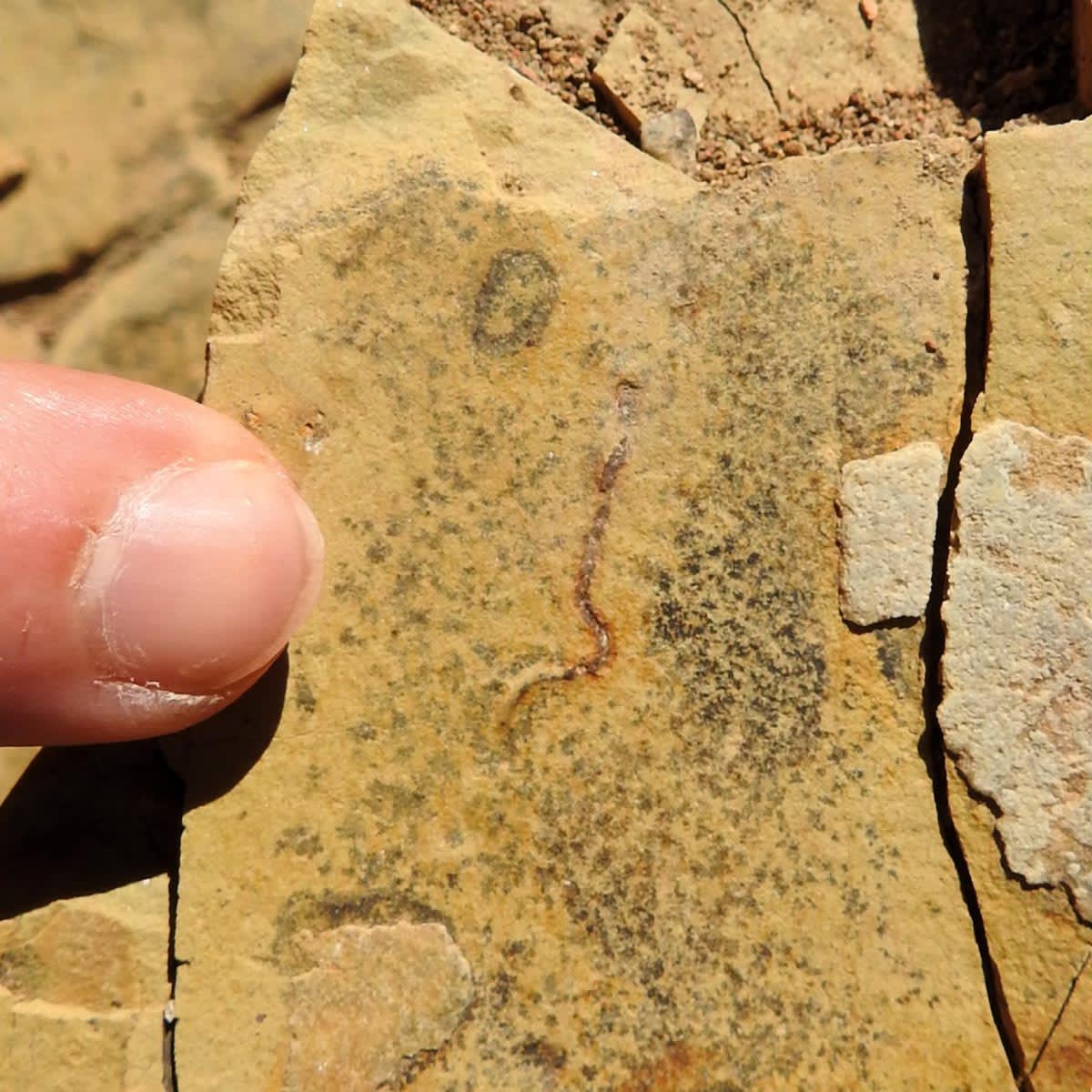
Researchers discovered ancient microbes working together in Australia's Shark Bay, revealing how the first complex life may have formed on Earth billions of years ago. The team honored Indigenous Malgana language by naming the microbe after their word for "ancient home."

Google News - Science2 min read
Scientists witness 'first contact' forming complex life
InnovationApr 10

Scientists witness 'first contact' forming complex life

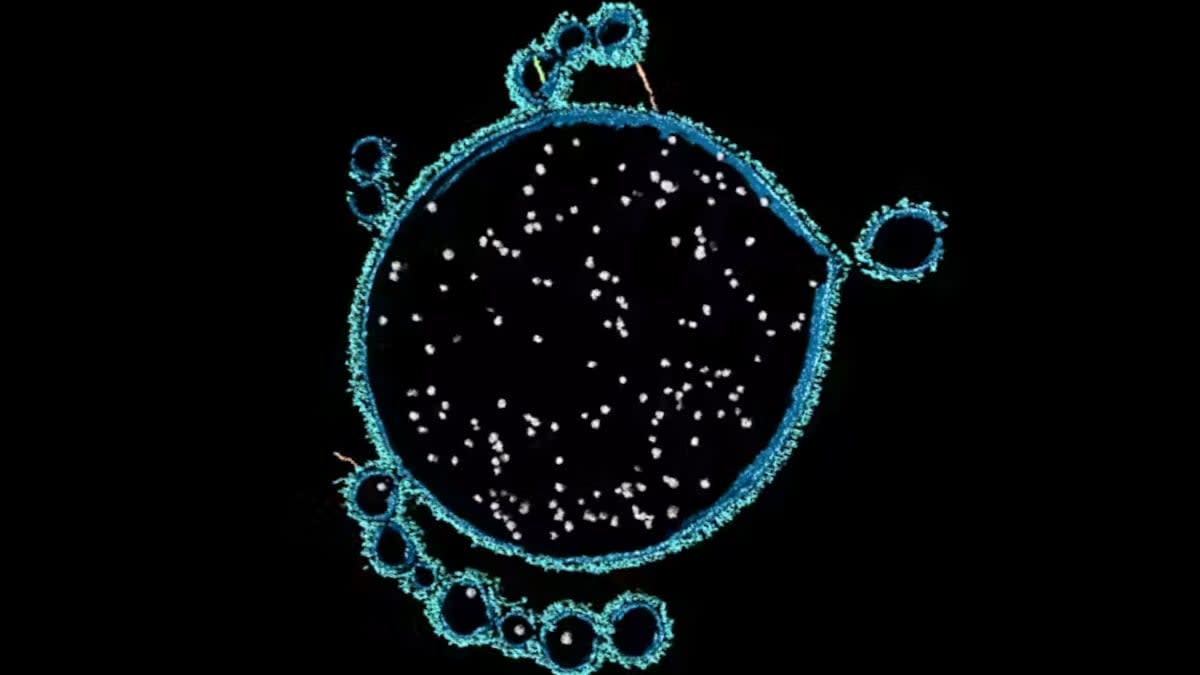
In Australia's ancient Shark Bay, researchers captured the first-ever image of microbes interacting the way our ancestors did billions of years ago. This discovery offers crucial evidence for how simple cells evolved into all complex life on Earth.

Google News - Science2 min read
Scientists Find Microbes That May Explain Complex Life
Planet WinsMar 5

Scientists Find Microbes That May Explain Complex Life

Researchers discovered ancient microbes in shallow coastal waters that can survive with oxygen, solving a puzzle about how simple life evolved into complex organisms like humans. The finding brings us closer to understanding why plants, animals, and humans exist at all.

Google News - Science3 min read
Professor Earns $5K Monthly Growing Mushrooms From Farm Waste
SolutionsFeb 16

Professor Earns $5K Monthly Growing Mushrooms From Farm Waste

A former microbiology professor in India turned agricultural waste into a thriving mushroom business that now earns $5,000 monthly while fighting pollution. She's trained over 7,000 farmers to do the same.

The Better India2 min read
Tiny Microbes Swim 500 Body Lengths Per Second
InnovationFeb 7

Tiny Microbes Swim 500 Body Lengths Per Second

Scientists discovered bacteria that swim at 500 body lengths per second, making Olympic lugers look slow at just 25. These microscopic speedsters could someday deliver medicine directly into tumors.

Smithsonian2 min read