Scientists Find Microbes That May Explain Complex Life
Researchers discovered ancient microbes in shallow coastal waters that can survive with oxygen, solving a puzzle about how simple life evolved into complex organisms like humans. The finding brings us closer to understanding why plants, animals, and humans exist at all.
Scientists just moved one step closer to answering one of life's biggest questions: how did we get here?
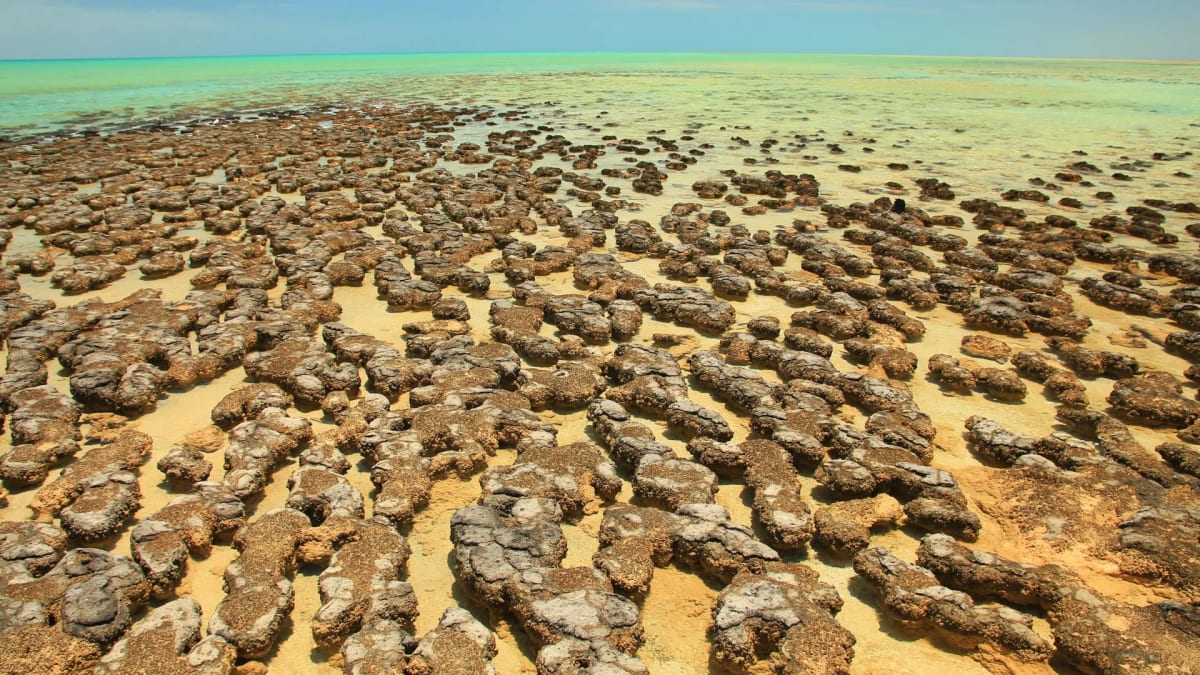
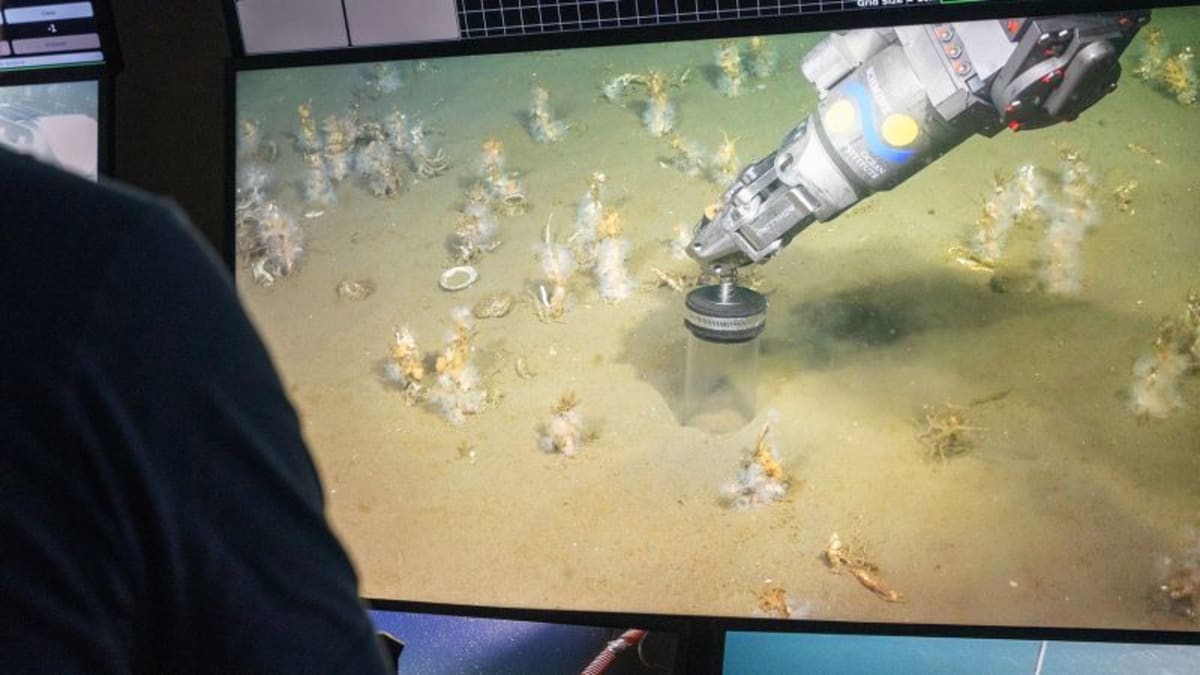
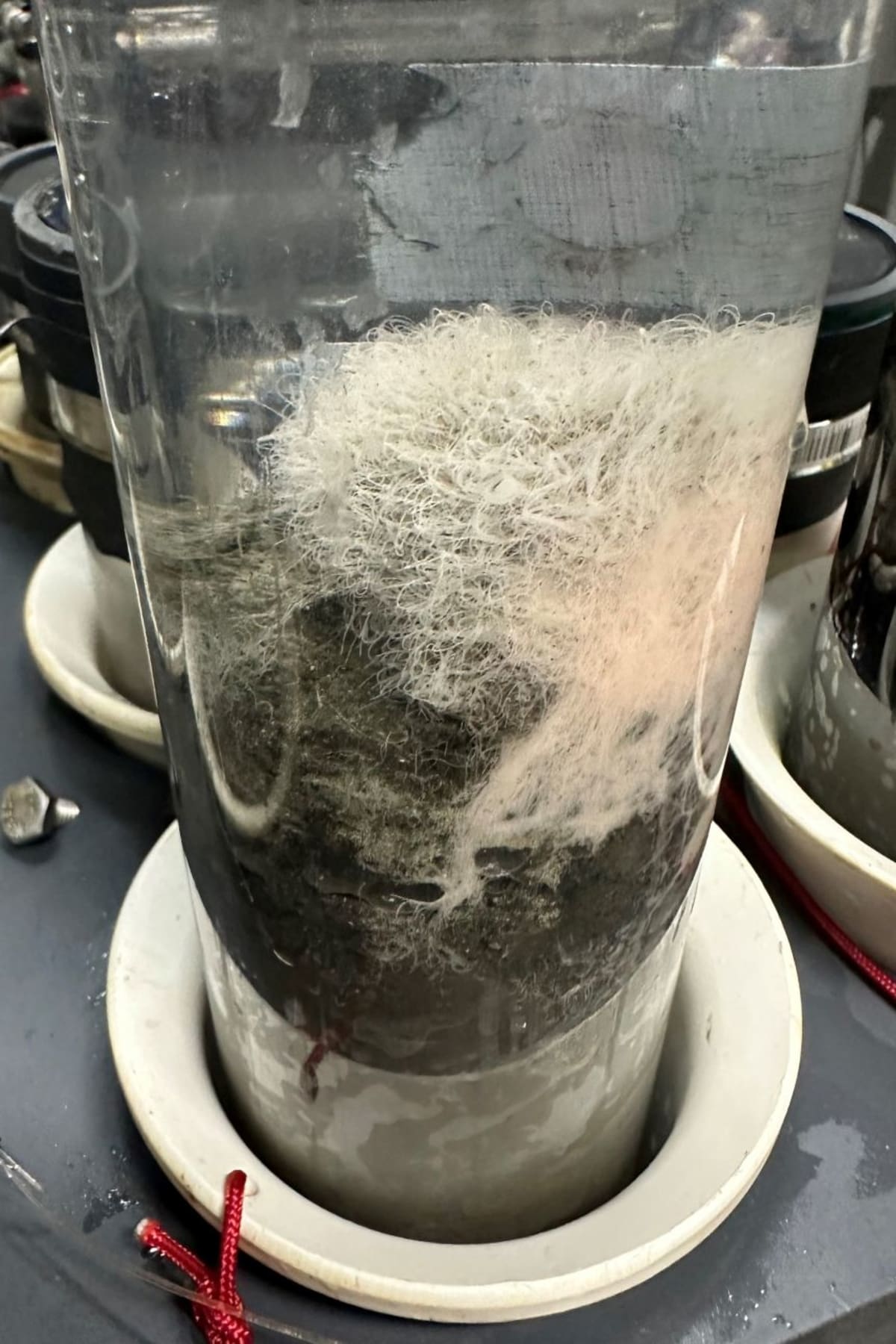
Researchers found new types of ancient microbes called Asgard archaea in shallow coastal sediments off Uruguay. These tiny organisms may hold the key to understanding how simple single-celled life evolved into complex organisms like plants, animals, and humans.
The discovery solves a frustrating puzzle. For years, scientists knew that Asgard microbes were likely ancestors of complex life, but they could only find them in oxygen-free environments like deep-sea hydrothermal vents. That created a problem: how could these microbes have combined with oxygen-loving bacteria to create eukaryotes (organisms with complex cells like ours) if they lived in completely different environments?
The new study, published in Nature, reveals the answer. Some Asgard microbes actually can tolerate and use oxygen, especially those living in shallow coastal areas.
"Oxygen appeared in the environment, and Asgards adapted to that," explained Brett Baker, associate professor at the University of Texas at Austin. "They found an energetic advantage to using oxygen, and then they evolved into eukaryotes."
The timing fits perfectly with Earth's history. Between 2.4 billion and 2.1 billion years ago, oxygen levels dramatically increased in our atmosphere during the Great Oxidation Event. A few hundred thousand years later, the first traces of complex life appeared in the fossil record.
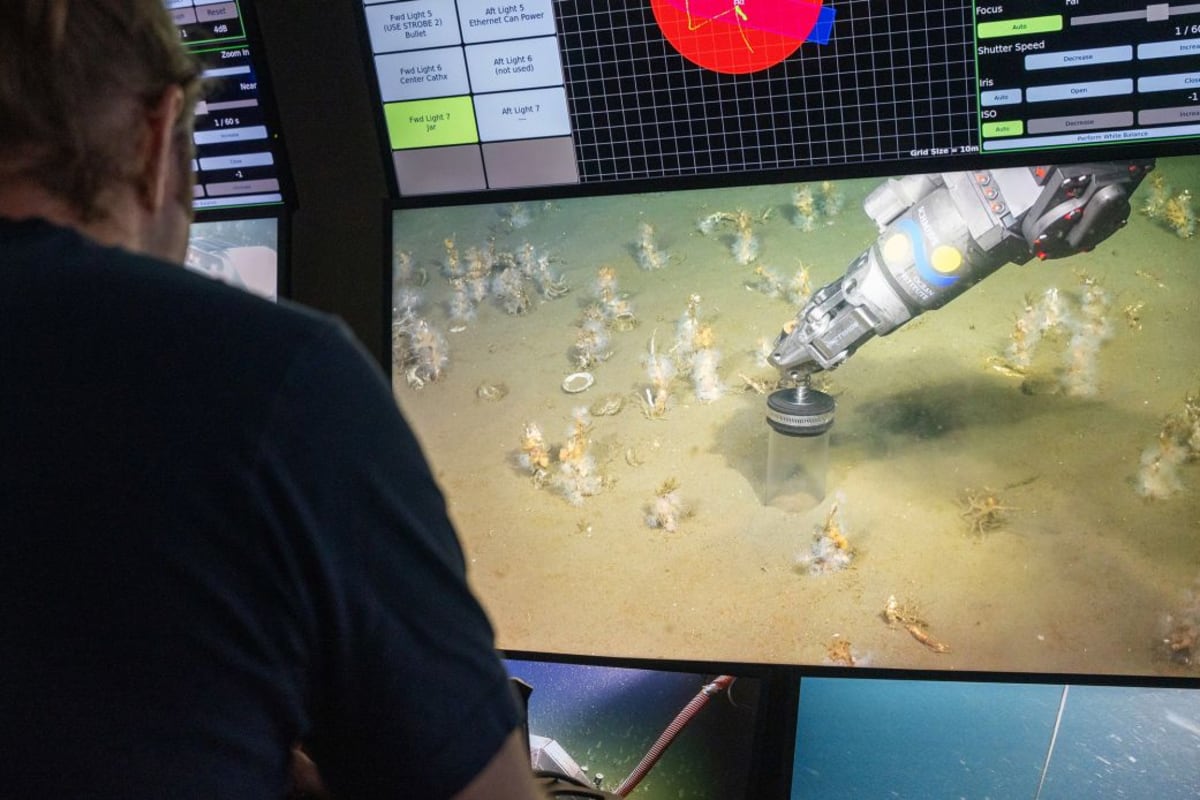
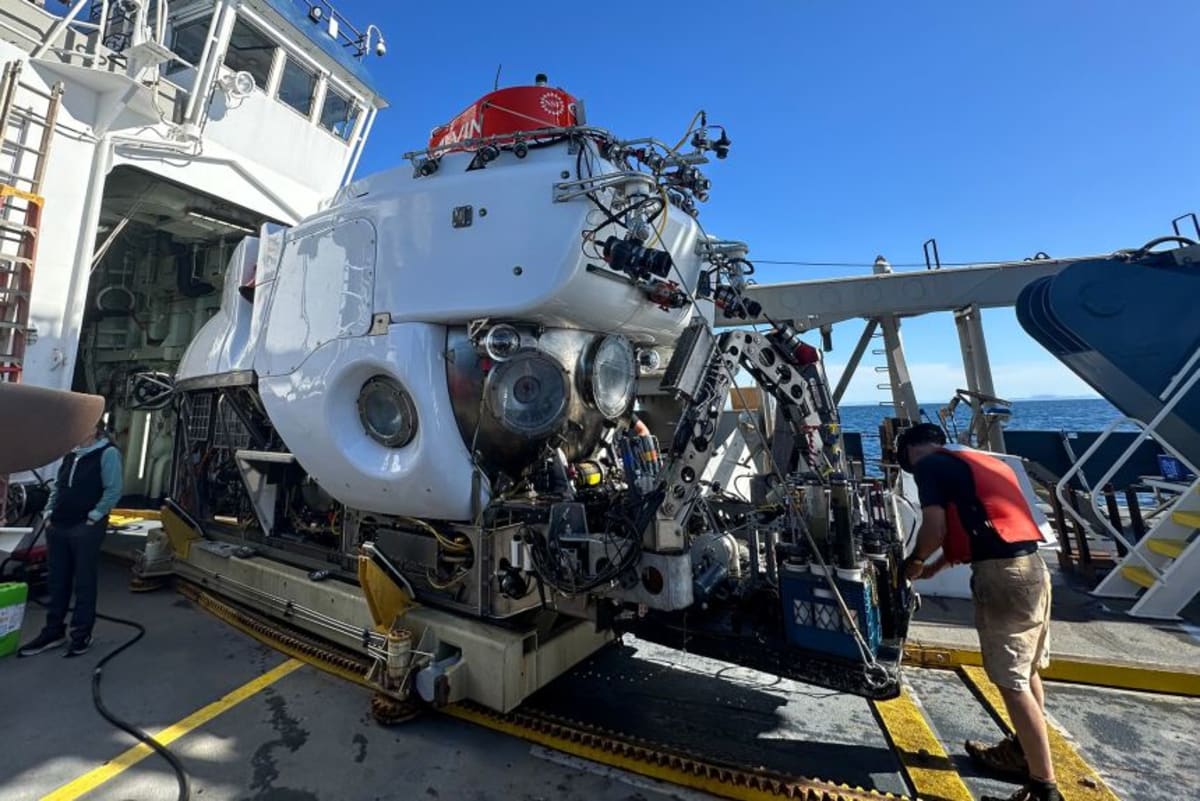
Baker and his team used large-scale DNA sequencing from samples collected in both deep-sea vents and shallow coastal areas. They uncovered hundreds of previously unknown Asgard genomes and built a family tree of these microbes.
An artificial intelligence model helped them identify how proteins in these microbes fold into structures similar to those used by modern complex cells to process oxygen and generate energy. The Heimdall group of Asgard microbes, which appear most closely related to modern eukaryotes, showed particularly strong similarities to our oxygen-processing systems.
Why This Inspires
This discovery reminds us that even the tiniest organisms shaped our entire existence. Billions of years ago, simple microbes adapted to a changing world, learned to harness oxygen's power, and eventually gave rise to every complex living thing on Earth today.
The research shows that life finds a way to adapt and thrive, even in the face of dramatic environmental changes. Those ancient microbes didn't just survive when oxygen flooded the atmosphere; they evolved to use it as fuel, unlocking the energy needed for increasingly complex forms of life.
Understanding this evolutionary leap helps scientists appreciate the incredible journey from single cells to the diverse, complex biosphere we see today.
Every breath we take connects us to those ancient ancestors who first learned to use oxygen billions of years ago.
More Images
Based on reporting by Google News - Science
This story was written by BrightWire based on verified news reports.
Spread the positivity!
Share this good news with someone who needs it