Titan's Methane Rivers Mirror Earth's Water Cycle
Saturn's moon Titan is the only place beyond Earth where liquid falls as rain, flows in rivers, and pools into lakes. The twist? It's all methane, and the ground beneath is frozen water harder than granite.
When the Huygens probe touched down on Titan in 2005, it photographed something both alien and hauntingly familiar: a floodplain of smooth, rounded cobbles sculpted by flowing liquid. The cobbles were water ice, and the liquid that shaped them was methane.
Titan is Saturn's largest moon, and it runs on a weather system that would fuel our rockets. Its thick nitrogen atmosphere carries methane clouds that rain down through the low gravity at the speed of snowflakes drifting through a room.
Those slow methane drops feed channels that braid into rivers. The rivers empty into vast lakes and seas near the north pole, with names borrowed from mythology like Kraken Mare and Ligeia Mare. Kraken alone rivals Earth's largest lakes in size.
The moon's bedrock is actually water ice, frozen so hard at Titan's frigid temperatures that it behaves like granite. Methane rivers carve through these ice mountains the way the Colorado River carved the Grand Canyon, just in ultra-slow motion over millions of years.
For over a decade, the Cassini orbiter mapped Titan's surface through its orange haze using radar. The images revealed drainage networks and meandering channels that look remarkably like aerial photos of Alaska or northern Canada at first glance.
The Bright Side
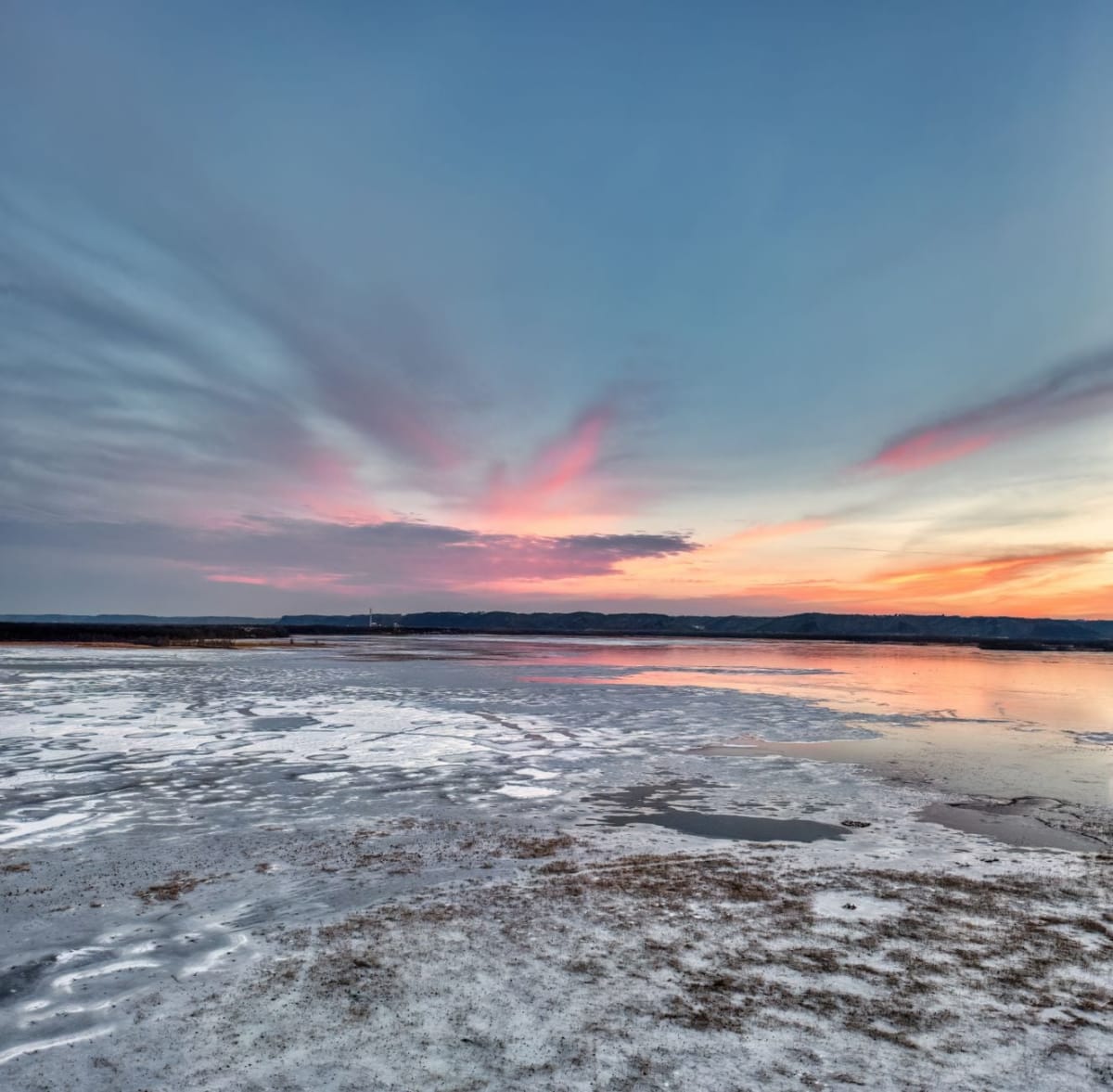
Scientists recently discovered that Titan's southern lakes show shorelines shaped by methane waves. These aren't crashing breakers like Earth's oceans produce, but fat, slow ripples created by Titan's low gravity and thick atmosphere. Over millions of years, even gentle waves sculpt coastlines.
The scale of Titan's hydrocarbon reserves staggers the imagination. NASA researchers calculated that the methane and ethane in Titan's lakes and seas dwarf all of Earth's proven oil and gas reserves combined, by orders of magnitude. Some seas reach hundreds of meters deep, with Kraken Mare possibly too deep for radar to measure.
One mystery keeps planetary scientists intrigued: Titan appears to have almost no river deltas. On Earth, rivers almost always deposit sediment fans where they meet standing water, but Cassini found virtually none on Titan. The reason remains unknown, offering researchers a genuinely new hydrology problem to solve.
Years after Cassini's mission ended in 2017, scientists continue finding new details in the data. Recent analysis suggests Titan's seas aren't the mirror-still surfaces they first appeared to be, but dynamic bodies shaped by seasonal changes and persistent waves.
Titan proves that the recipe for weather, rivers, and seas isn't unique to Earth, just the ingredients we use.
More Images
Based on reporting by Google News - Science
This story was written by BrightWire based on verified news reports.
Spread the positivity!
Share this good news with someone who needs it