Tokyo Deaflympics Turns Sound Into Light and Touch
At the 2024 Deaflympics in Tokyo, engineers reimagined how sports feel for deaf fans using animated text, vibrating devices, and AI-powered displays. The innovations are transforming accessibility far beyond the arena.
Imagine experiencing the crack of a baseball bat through your chest, or watching a word flash across a screen that captures the exact moment a ball smashes across a table tennis court.
At this year's Deaflympics in Tokyo, that's exactly what's happening. For over a century, the Deaflympics has been the pinnacle of competition for deaf athletes. Now it's become one of the world's most important testing grounds for technology that makes sports accessible to everyone.
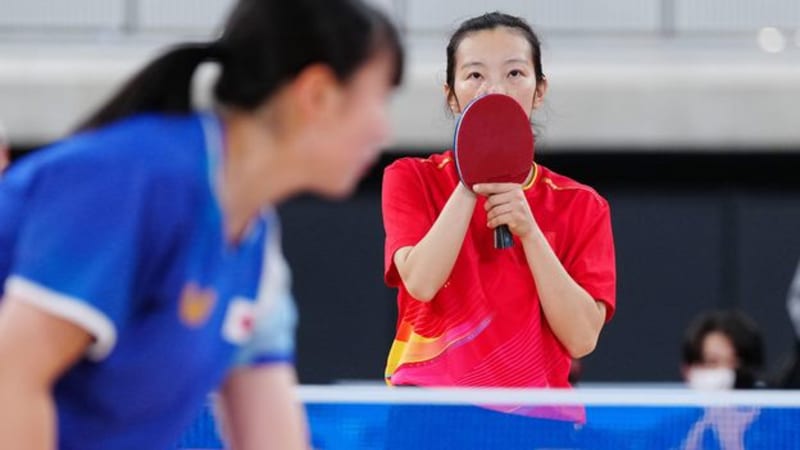
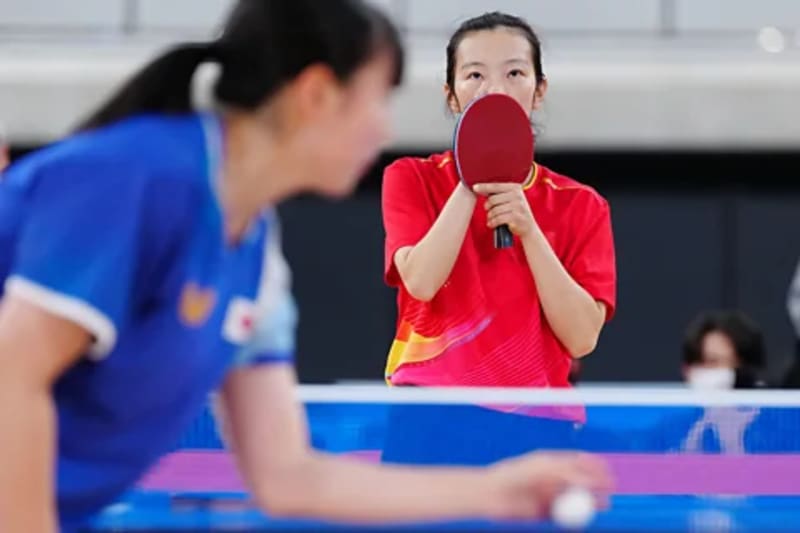
Inside the table tennis arena, giant screens above the court flash bold Japanese onomatopoeia with each strike of the ball. The animated characters mirror the rhythm of play, showing fans the speed of rallies and power of smashes through visual language. "For people who don't play, or who are deaf, this helps them understand better," says Ito Maki of Japan's Deaf Table Tennis Association, himself a former player.
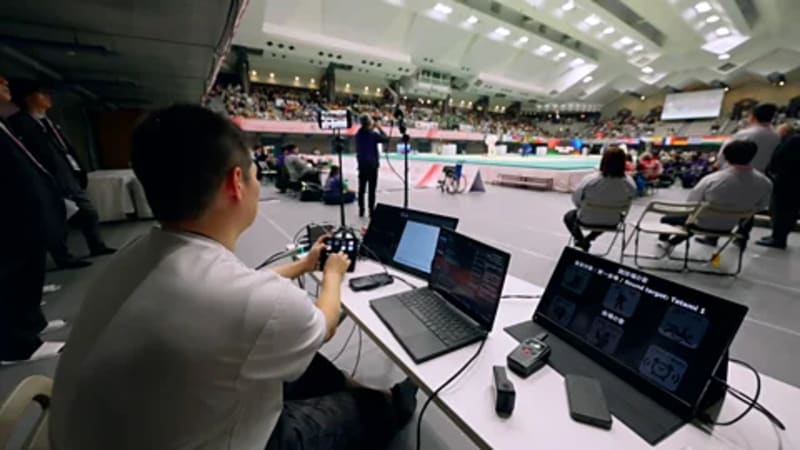
The innovation extends throughout Tokyo's 19 Deaflympics venues. At train stations, transparent sound-to-text screens help deaf visitors navigate the city. An AI-powered display developed by Fujitsu listens for platform announcements and converts them into text and sign language in real time.
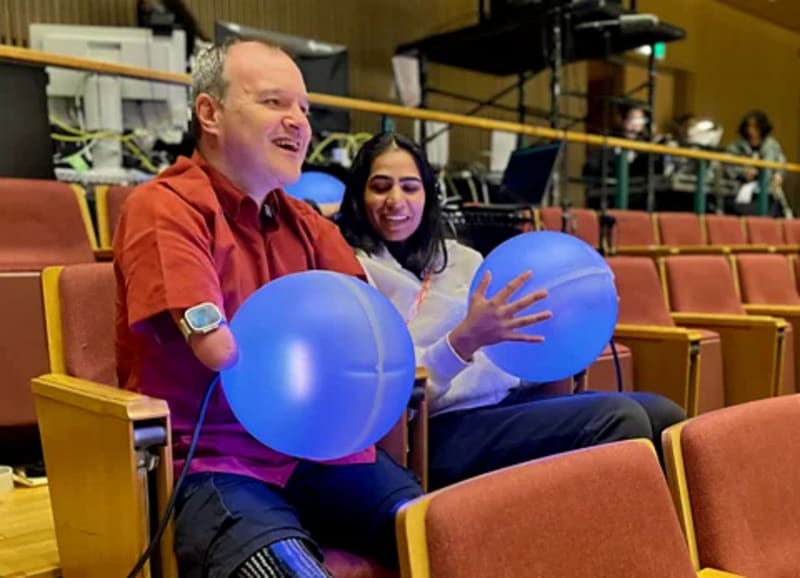
At the judo arena, spectators wear vibration devices that transform every movement into sensation. Light shuffles produce gentle vibrations. Collisions create stronger ones. When a fighter hits the mat, fans feel a deep thud against their chest.
"Shuffling feet felt like a lighter vibration, while collisions were stronger," says deaf judo fan Eri Terada. "When someone was thrown, it was a heavy thud. Each one was different. I thought, 'Wow, this is amazing.'"
The Ripple Effect
The technology wasn't created in a lab and dropped into arenas. Engineers at Fujitsu designed their device alongside students from Kawasaki Municipal School for the Deaf. "In Japan, many students use trains every day," says Tatsuya Honda from Fujitsu's lab. "We designed this to be fun, safe and useful."
Finnish Deaflympian Sara-Elise Ruokonen tested the devices and emphasized why that collaboration matters. "It was important deaf people were involved in the design because we know best what we need," she says.
The innovations are already spreading beyond sports. Toppan's translation screens are now deployed in 19 metro stations. Japan Rail is piloting the AI announcement system in major transit hubs. The vibration technology, originally developed for immersive music experiences, is finding new applications in accessibility.
What started as a way to help deaf fans enjoy table tennis is reshaping how entire cities communicate with residents and visitors who experience the world differently.
Sound no longer belongs only to those who can hear.
More Images

Based on reporting by BBC Future
This story was written by BrightWire based on verified news reports.
Spread the positivity!
Share this good news with someone who needs it