Tokyo Lab Fits EV Charging Test Track on a Tabletop
Testing wireless charging for electric vehicles just got way easier. Scientists in Tokyo built a rotating desktop device that replaces expensive test tracks, speeding up research that could let EVs charge while driving.
Scientists just solved a problem that's been slowing down one of the most promising ideas in electric vehicle technology.
Researchers at Tokyo Metropolitan University created a tabletop device that tests wireless charging systems for electric vehicles. Led by Assistant Professor Ryosuke Ota, the team replaced costly test tracks with a clever rotating arm that fits on a bench.
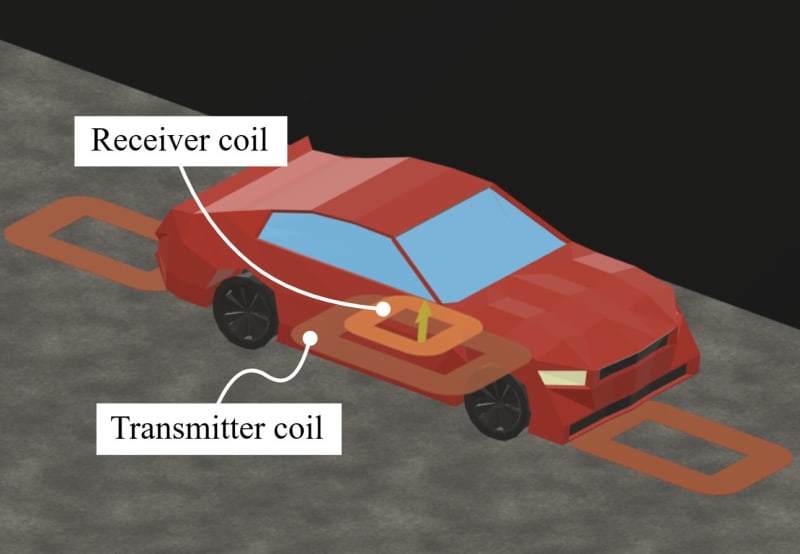
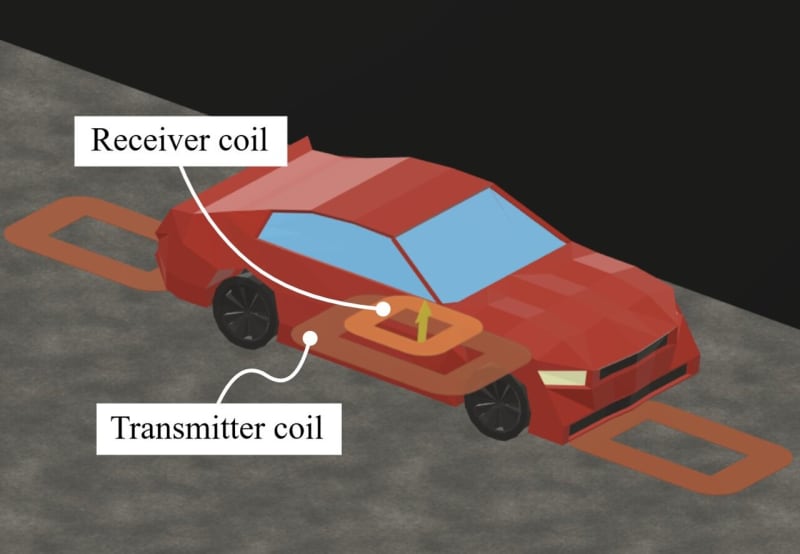
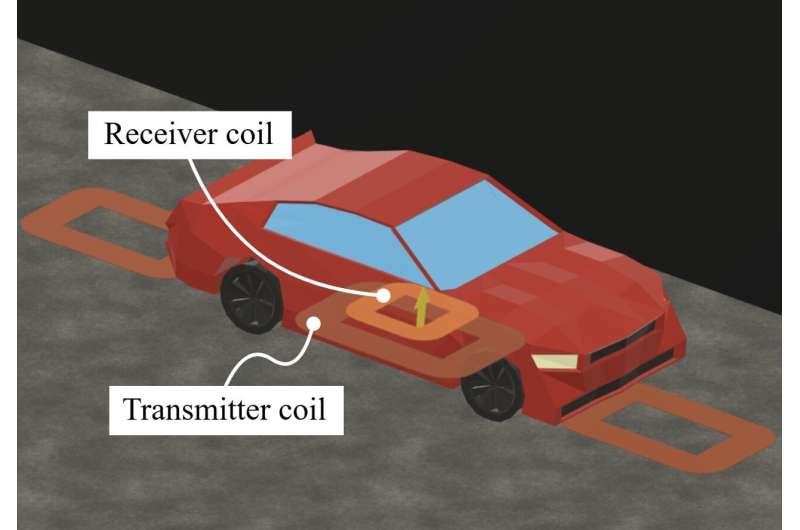
The breakthrough matters because dynamic wireless power transfer could transform how we think about EVs. Imagine driving on roads that charge your car as you go, eliminating the need for massive, expensive batteries that make EVs cost prohibitive for many families.
Until now, testing this technology required installing transmitter coils in actual test tracks. These facilities eat up huge amounts of space and money, putting them out of reach for most university labs and smaller research teams.
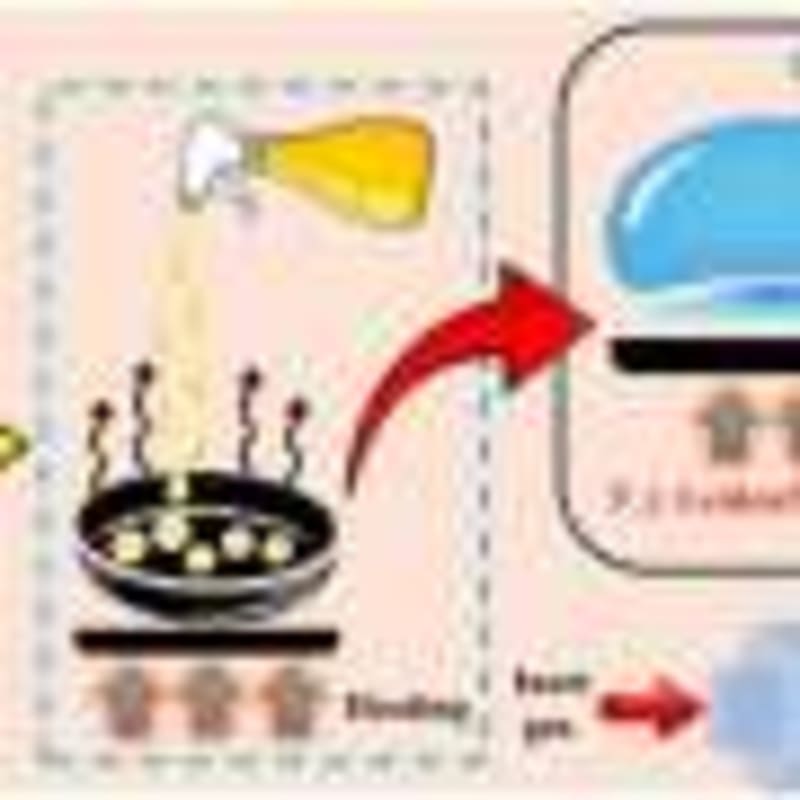
The Tokyo team's solution uses a bean-shaped transmitter coil on a table with a receiver unit mounted on a counterbalanced arm. A servo motor spins the arm over the coil, mimicking a car driving down a road. Through careful electromagnetic field simulations, they proved their benchtop setup produces results comparable to full-sized linear tracks.
The device successfully replicated conditions of a vehicle traveling at 40 kilometers per hour while transmitting 3 kilowatts of power. The team also tested how charging changes when the transmitter and receiver aren't perfectly aligned, a common real-world scenario.
The Ripple Effect
This isn't just about saving space in one lab. By making wireless EV charging research accessible to universities and institutions worldwide, the team opened the door for rapid innovation from researchers who previously couldn't afford to participate.
More researchers testing means faster breakthroughs. Faster breakthroughs mean wireless charging roads could become reality sooner, making electric vehicles practical for everyone without requiring bigger batteries.
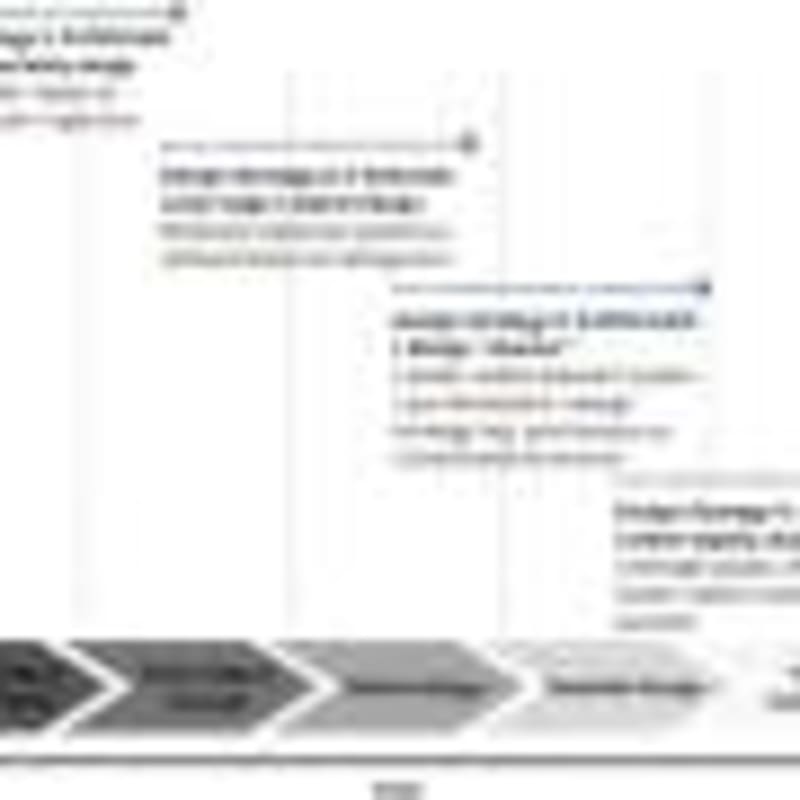
The design principles and evaluation framework the team published give other researchers a roadmap to build their own testing systems. What once required industrial-scale facilities now fits in a standard laboratory.
Every EV on the road represents progress toward cleaner air and a healthier planet, but affordability remains the biggest barrier. Technologies like wireless charging could finally make that transition accessible to families beyond early adopters and luxury car buyers.
The team published their findings in the IEEE Open Journal of Vehicular Technology, bringing their innovation from the benchtop one step closer to real roads beneath real cars.
More Images
Based on reporting by Phys.org - Technology
This story was written by BrightWire based on verified news reports.
Spread the positivity!
Share this good news with someone who needs it