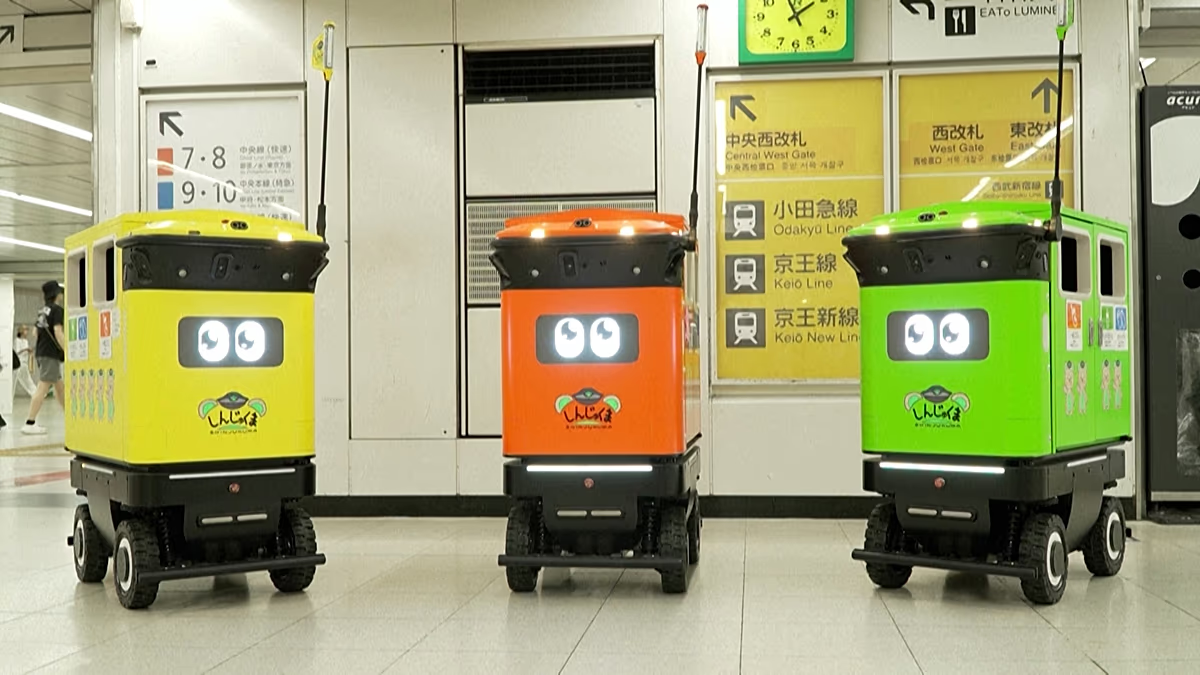
Tokyo Tests Robot Trash Bins at World's Busiest Station
Shinjuku Station is trialing adorable robot trash bins that roam the platforms collecting waste, aiming to help sanitation workers keep up with 2.7 million daily passengers. The googly-eyed helpers are winning hearts while testing whether automation can support humans in one of the world's most challenging cleaning environments.
Picture this: you're rushing through Tokyo's packed Shinjuku Station when a one-meter-tall robot with giant googly eyes rolls up, ready to take your empty coffee cup. It sounds like science fiction, but it's the heartwarming reality unfolding at the world's busiest train station.
Three autonomous trash bins started their trial run on September 8, navigating the basement concourse where more than 2.7 million passengers flow through each day. Moving at a careful 20 centimeters per second, these pint-sized helpers follow preset routes between ticket gates, collecting general waste and plastic bottles before autonomously returning to collection points when full.
The robots aren't replacing anyone. East Japan Railway designed them specifically to assist human sanitation workers who currently empty traditional bins more than 10 times daily in this non-stop transit hub. The station reduced fixed bins years ago for security and cleanliness reasons, creating a massive workload that these gentle robots could help lighten.
Safety was the top priority in their design. The machines stop quickly around passengers using advanced sensors, ensuring they navigate the underground crowds without incidents. The trial runs weekdays from 10 AM to 5 PM through November 20, giving engineers time to assess how well the robots handle real-world chaos.
The Ripple Effect
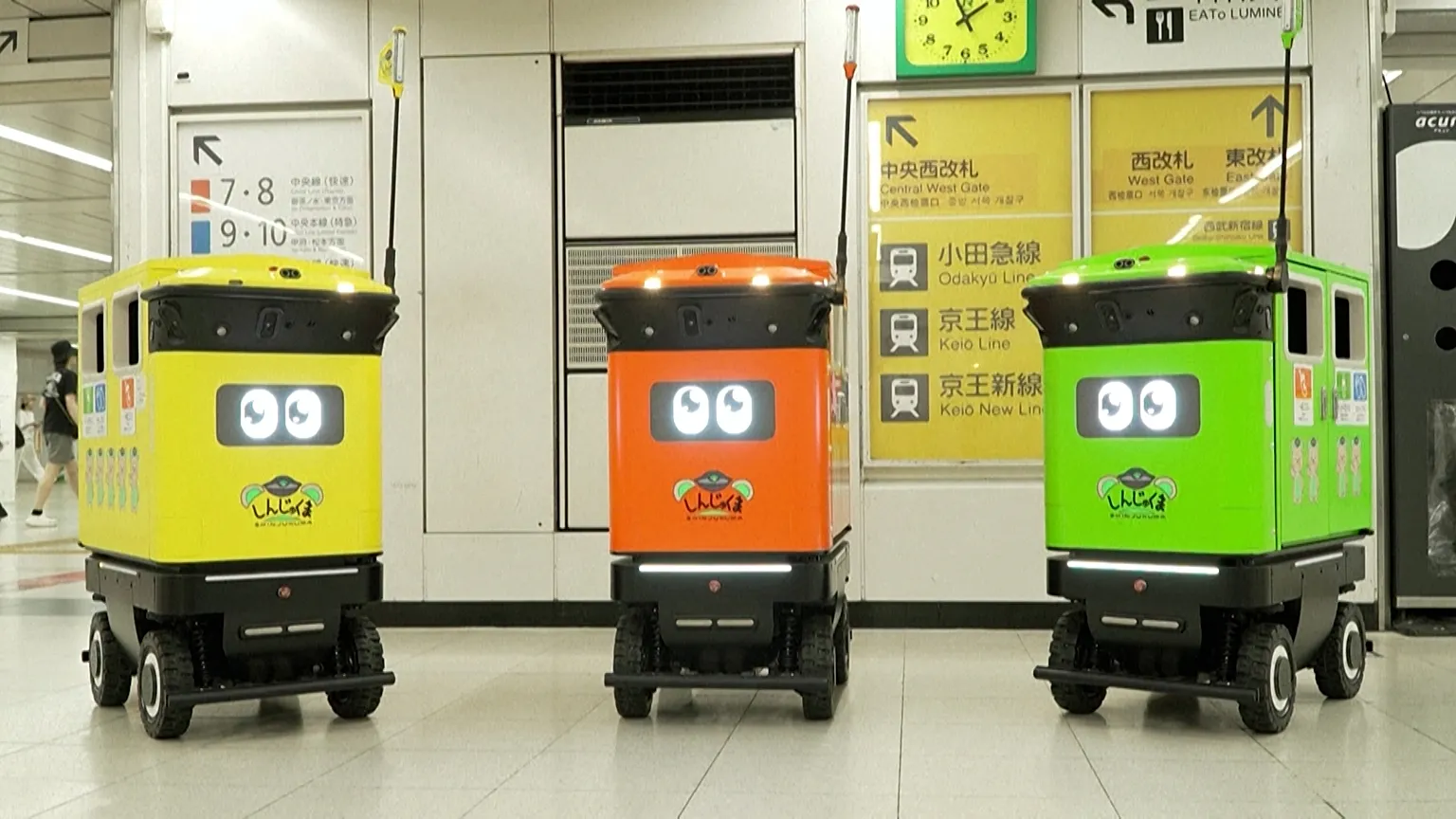
Beyond their practical purpose, these robots are sparking unexpected joy. Tourists can't resist photographing the machines decorated with Shinjukuma, Shinjuku Station's beloved bear mascot, and those irresistible googly eyes. What started as an efficiency project has become a symbol of how technology can support workers while delighting the public.
Japan faces a well-documented labor shortage, particularly in service industries. Solutions like these mobile bins show how thoughtful automation can address workforce challenges without sacrificing the human touch. The robots collect data through sensors and video, but solely for improving their navigation and safety features.
The project represents a broader shift in how we think about robots in public spaces. Rather than cold, impersonal machines, these bins demonstrate that technology can be helpful, safe, and genuinely charming. Commuters have welcomed the concept, seeing them as assistants rather than replacements for the dedicated workers who keep their station clean.
If the trial succeeds, Shinjuku's robot bins could become a model for transit hubs worldwide struggling with similar challenges. The combination of practical support for workers and positive public reception suggests this might be the start of something bigger.
For now, three friendly robots are quietly proving that the future of work doesn't have to choose between humans and machines. Sometimes, the best solution is having them roll side by side.
More Images

Based on reporting by Euronews
Building Something New? Try the BrightWire Tech Stack Advisor
Compare modern frameworks, cloud hosting, and AI tools tailored to your project budget and scale.
Share This Good News Story
Send a dose of constructive journalism to someone who needs it today.
More Good News