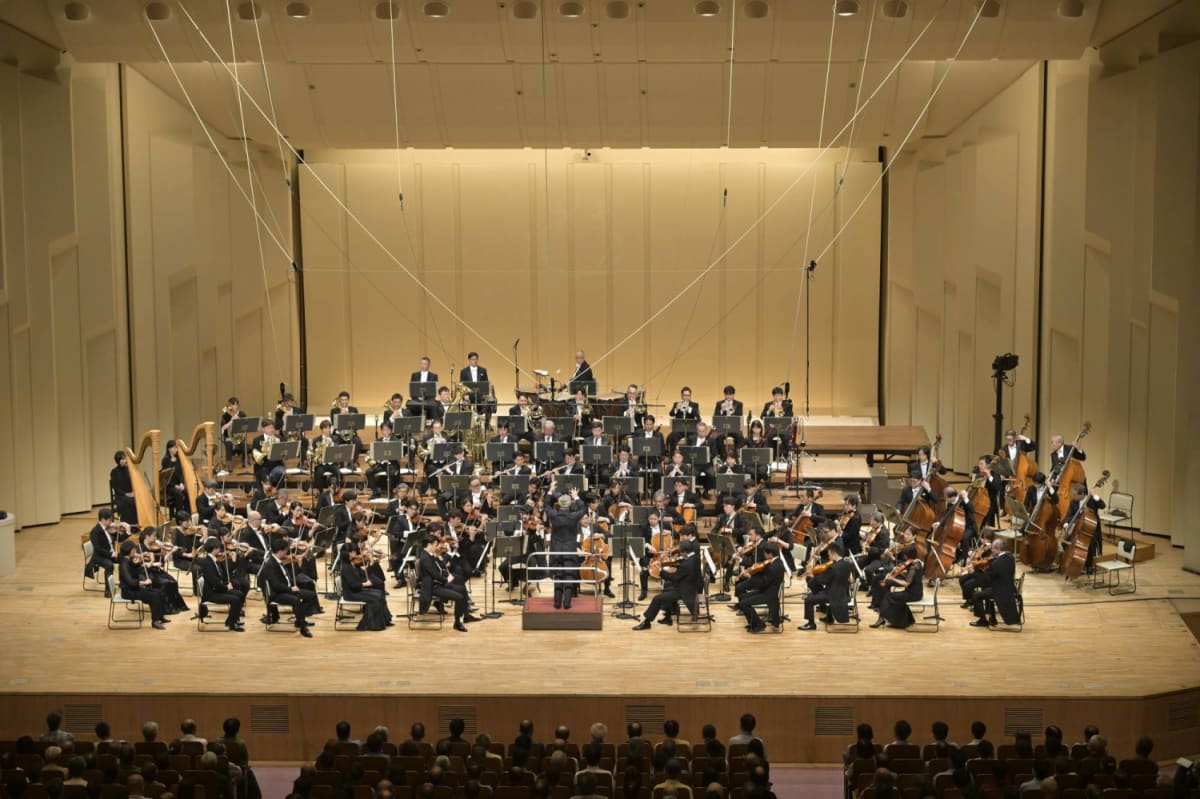
Tokyo's 100-Year-Old Orchestra Plans Bold Next Century
The NHK Symphony Orchestra is marking a century of music with ambitious plans to grow classical music's future audience. Their centennial season launches with a rarely performed 1937 oratorio featuring vocalists, choir, organ, and full orchestra.
One of Tokyo's most treasured cultural institutions just hit a remarkable milestone, and it's using the moment to think bigger about the future.
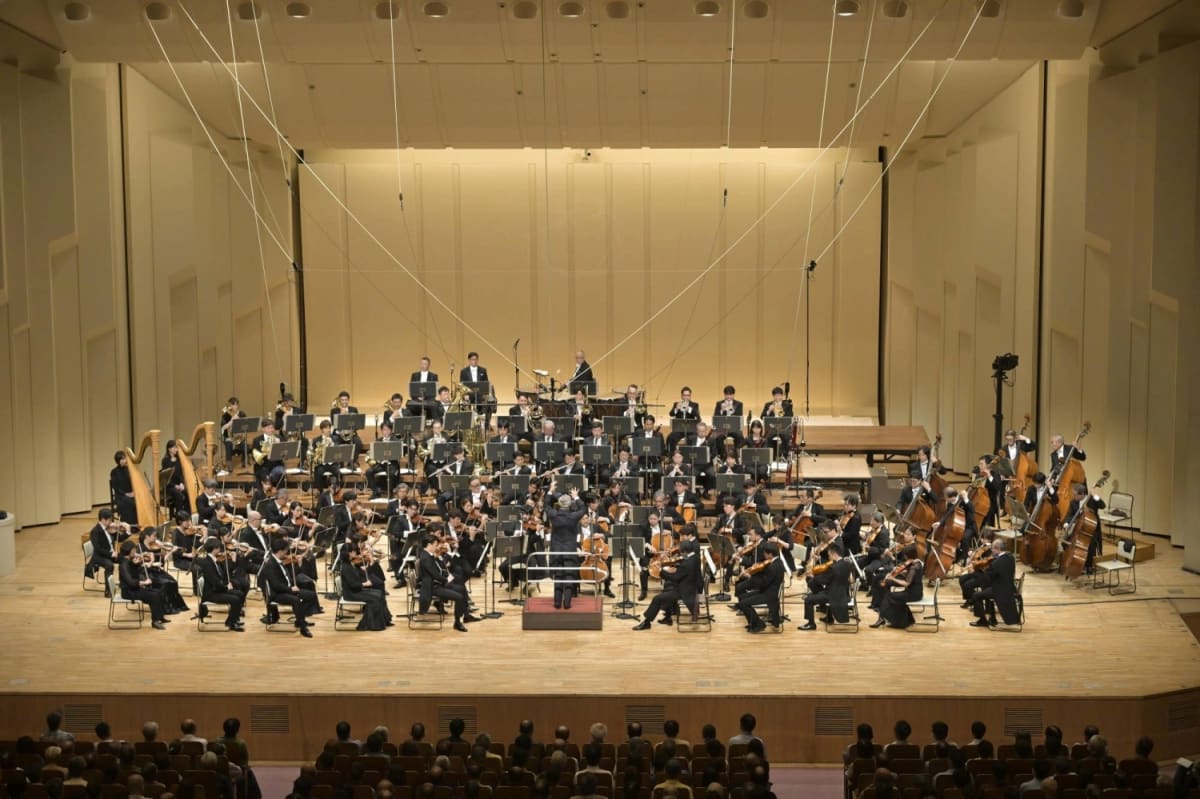
The NHK Symphony Orchestra celebrated its 100th anniversary this year with a clear mission. Instead of just looking back, the orchestra is focused on building the next generation of classical music lovers.
"I consider the orchestra a public treasure," says Shoichi Nishikawa, the orchestra's director of artistic planning. His vision goes beyond preserving tradition—it's about expanding what classical music can mean to modern audiences.
Founded in 1926, the NHKSO has weathered a century of change while keeping Tokyo's concert halls filled with world-class performances. Now it's asking an important question: how do you keep a 100-year-old art form feeling fresh and relevant?
The answer, according to Nishikawa, is variety. "For the orchestra to be socially recognized and to further develop, we have to present a variety of genres," he explains.
The orchestra is putting that philosophy into action with an ambitious season opener. On September 12, conductor Fabio Luisi will lead Franz Schmidt's monumental 1937 oratorio, "The Book with Seven Seals." The performance will feature solo vocalists, a full choir, and an organ alongside the orchestra for an exuberant finale.
It's a bold choice that shows the orchestra isn't playing it safe. Schmidt's work is rarely performed, making this a special opportunity for Tokyo audiences to experience something truly unique.
The Ripple Effect
The NHKSO's centennial celebration represents more than one orchestra's success story. It shows how cultural institutions can honor their heritage while actively working to stay relevant for new audiences.
By diversifying their programming and thinking strategically about audience development, they're creating a model for how classical music can thrive in the modern era. That commitment to evolution while maintaining artistic excellence offers hope for cultural organizations everywhere facing similar questions about their future.
A century is just the beginning when you're planning for the generations ahead.
More Images

Based on reporting by Japan Times
This story was written by BrightWire based on verified news reports.
Spread the positivity!
Share this good news with someone who needs it
%2Fhttps%3A%2F%2Ftf-cmsv2-smithsonianmag-media.s3.amazonaws.com%2Ffiler_public%2Fd4%2F65%2Fd4658cbb-a59c-48fd-a30e-d0405f9c5a46%2Fgettyimages-2266112088.jpg)