Toronto Wildlife Centre Shows How to Feed 100+ Wild Patients
Behind the scenes at a Canadian wildlife rehabilitation center, workers compete in a cooking show-style challenge to prepare specialized meals for recovering animals. From tube-fed baby opossums to impatient bats waiting for mealworms, feeding time reveals the skilled care that goes into helping wildlife heal.
Workers at Toronto Wildlife Centre recently turned feeding time into a friendly competition, and the result is an adorable glimpse into the daily dedication required to rehabilitate wild animals.
The Canadian organization shared an Instagram video showing staff members in a cooking show-inspired challenge. Their mission: prepare the most enticing meals for dozens of wild patients with vastly different dietary needs.
The smallest patients require the most delicate care. Tiny opossums get tube feedings of specialized formula multiple times each day before they can handle solid foods like smelt, fruits, and vegetables. Each feeding must be done carefully to ensure these vulnerable babies get the exact nutrition they need to survive.
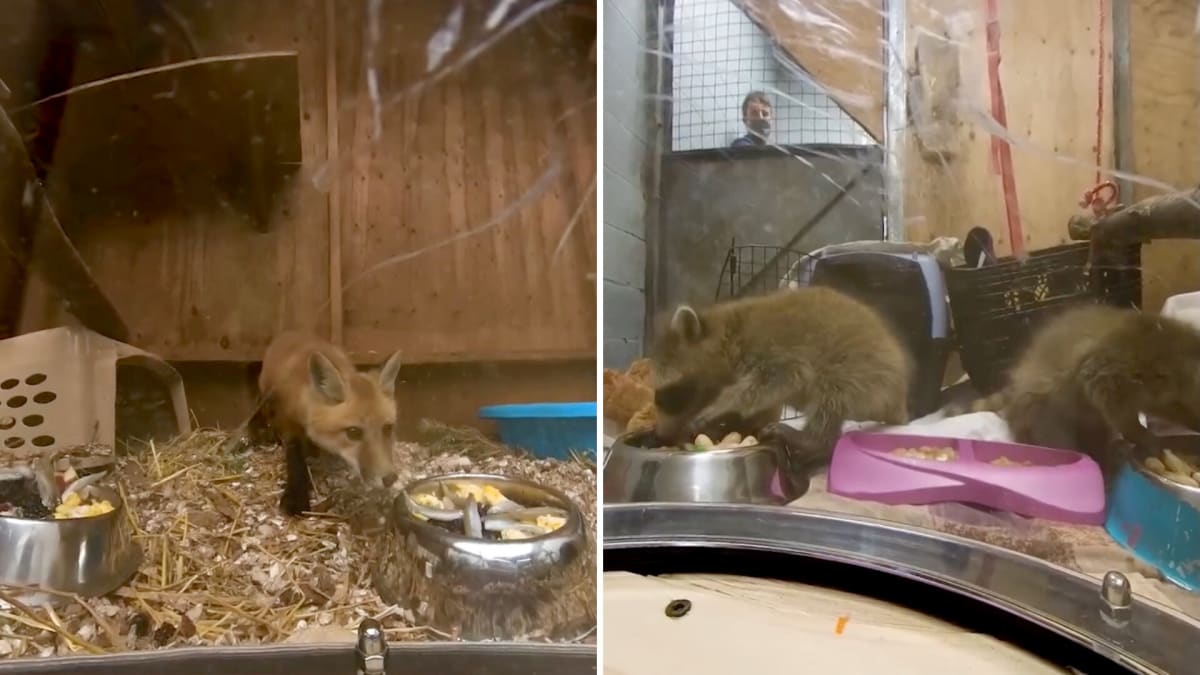
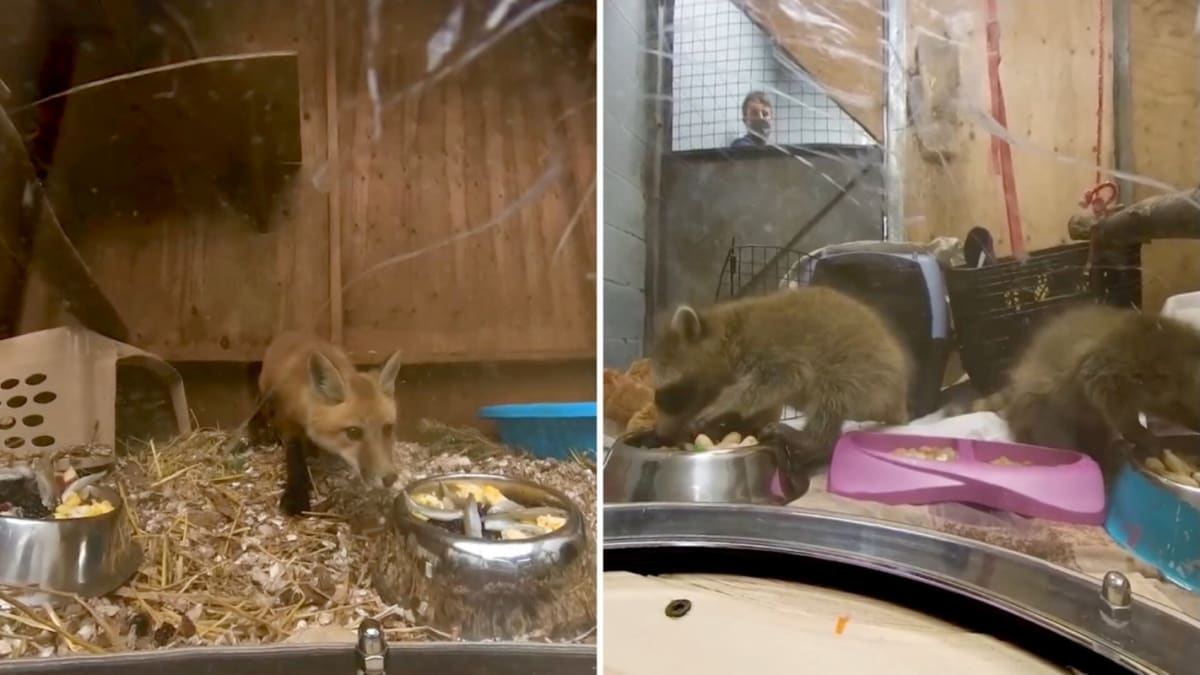
Meanwhile, hungry bats chatter impatiently while waiting for their mealworms. Recovering hawks need protein-rich meat to regain their strength. Orphaned red foxes and raccoons, found alone and hungry, now receive carefully portioned meals designed to help them grow strong enough to return to the wild.
The variety of diets reflects a crucial truth about wildlife rehabilitation. Feeding an injured or orphaned animal isn't as simple as offering leftovers or generic pet food. Each species has specific nutritional requirements, and the wrong meal can seriously harm recovery chances or delay an animal's return to its natural habitat.
The Ripple Effect
This playful video highlights something serious: wildlife rescue centers depend entirely on public support to keep operating. Specialized formula, fresh fish, quality meat, produce, and live insects add up quickly when you're feeding dozens of patients daily. The cost of rehabilitation goes far beyond medical care.
The center emphasized that whether a patient weighs less than a golf ball or has a wingspan wider than your arms, the right food provides the strength needed to heal and eventually return to the wild. Every carefully prepared meal is a step toward releasing a recovered animal back into nature.
Commenters responded with appreciation for the work involved. "It never ceases to amaze me the amount of care and dedication that goes into rehabilitating wildlife," wrote one person. "Meal prep alone is a full time job. You folks are amazing."
The video serves as a reminder that wildlife rehabilitation is highly skilled, around-the-clock work performed by people who understand that second chances in nature start with something as simple as the right meal at the right time.
More Images



Based on reporting by Google News - Wildlife Recovery
This story was written by BrightWire based on verified news reports.
Spread the positivity!
Share this good news with someone who needs it