Tourist Tax Transforms Magaluf From Party Hell to Paradise
Once infamous for drunken chaos, Magaluf has transformed into a family-friendly destination after a decade of tourist tax investments. The Spanish resort proves visitor levies can fund real change while reducing overtourism problems.
A decade ago, Magaluf was synonymous with tabloid headlines about drunk tourists and public debauchery. Today, families stroll along a modern promenade where seedy bars once ruled.
The transformation started in 2014 after a viral video showed the resort at its worst, forcing Spanish authorities to act. They introduced the Balearic Sustainable Tourism Tax in 2016, charging visitors based on their accommodation type and season.
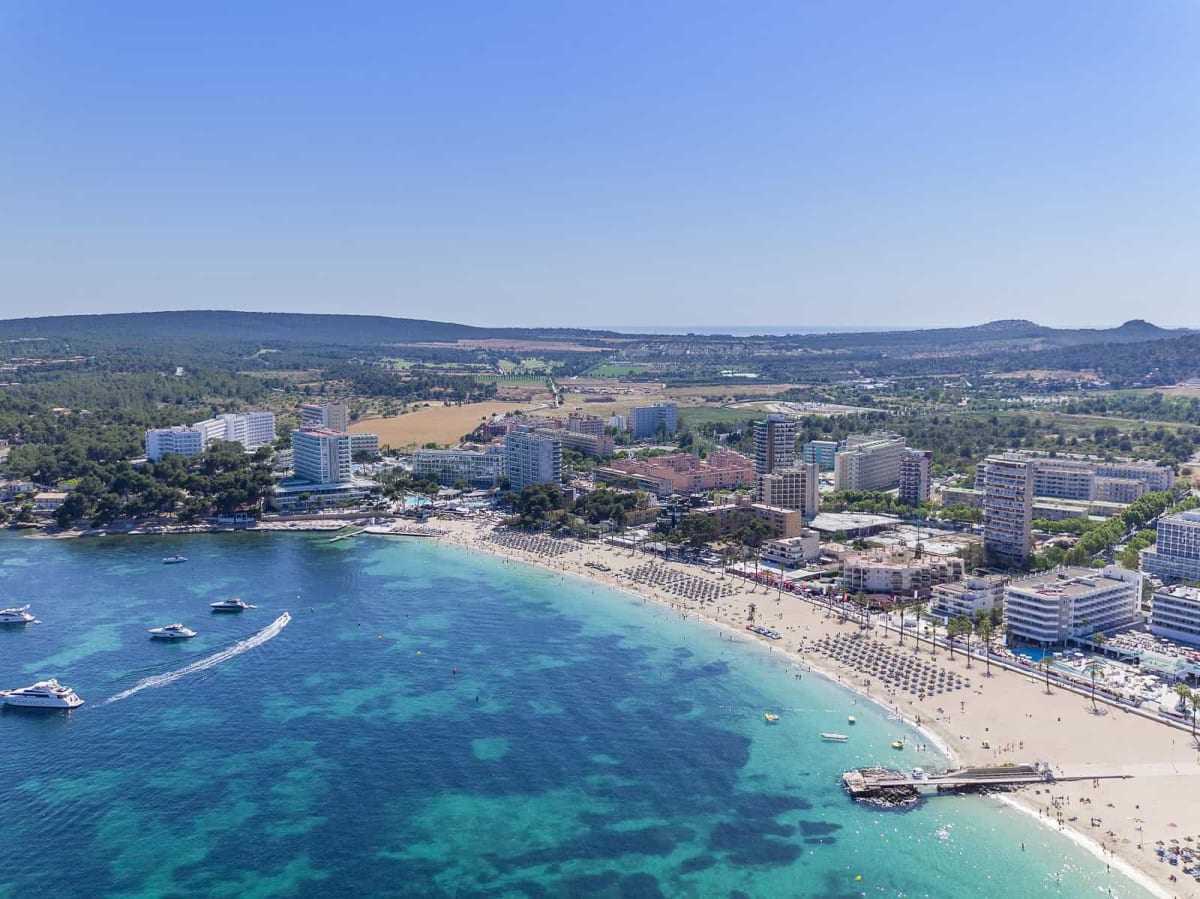
The levy has funded nearly 300 projects worth £730 million across the islands. In Magaluf specifically, the money rebuilt the beachfront with wheelchair-accessible paving, native plants using reclaimed water, and public spaces designed for families.
"We made a lot of mistakes in the 60s," says local guide Dennis Saro, referring to the unchecked hotel boom. "We started building, building, building and didn't think about the future. This is what we are fixing now."
The authorities backed the investment with strict new rules. Pub crawls faced restrictions, shops in "excess tourism" areas can't sell alcohol between 9:30pm and 8am, and noise regulations tightened significantly.
Walk Magaluf today and the contrast is striking. Just one block from the fading strip of sticky nightclubs, the waterfront features fashionable beach clubs and fine-dining restaurants serving couples and families. The two versions of Magaluf can still hear each other, but they're growing increasingly distant.
The old strip feels like a relic. Several premises sit boarded up while others wait out their final summers. Groups of middle-aged tourists trying to relive their youth now outnumber the 20-somethings who once defined the scene.
"If you're in Magaluf tonight, yes, you will find some people drunk," admits Jaime Mora Bosch, director of tourism for Calvià district. "But in general it has nothing to do with the past."
The Ripple Effect
Edinburgh introduced its own visitor levy this week, following Magaluf's lead. The Spanish resort's success shows tourist taxes can do more than raise revenue when invested strategically.
The funding improved water infrastructure in a region facing climate pressure. Native landscaping reduces strain on local water supplies while creating green spaces for residents and visitors alike.
Private investment followed public spending, with newly developed hotels targeting families and older travelers. The tourism economy diversified beyond cheap alcohol and late-night chaos.
Local residents benefit from upgraded public spaces year-round, not just during tourist season. The promenade, parks, and cultural projects serve the community long after visitors leave.
Other European destinations struggling with overtourism are watching closely. Magaluf proves that well-designed visitor levies can reshape tourism's impact without killing the industry.
The transformation isn't complete and the old strip hasn't disappeared entirely, but the direction is clear: sustainable tourism that works for residents and visitors alike is possible with the right tools and political will.
Based on reporting by Positive News
This story was written by BrightWire based on verified news reports.
Spread the positivity!
Share this good news with someone who needs it