Transplant Games Give 600 Athletes New Life After Surgery
Organ transplant recipients from across Europe gathered in the Netherlands for a week-long Olympics-style celebration of survival and community. From beginners to serious athletes, they're proving life after transplant can be active, joyful, and full of possibility.
Robert Lindemann received a new heart, but at the European Transplant Games in June, he found something just as vital: a place where he didn't have to explain himself.
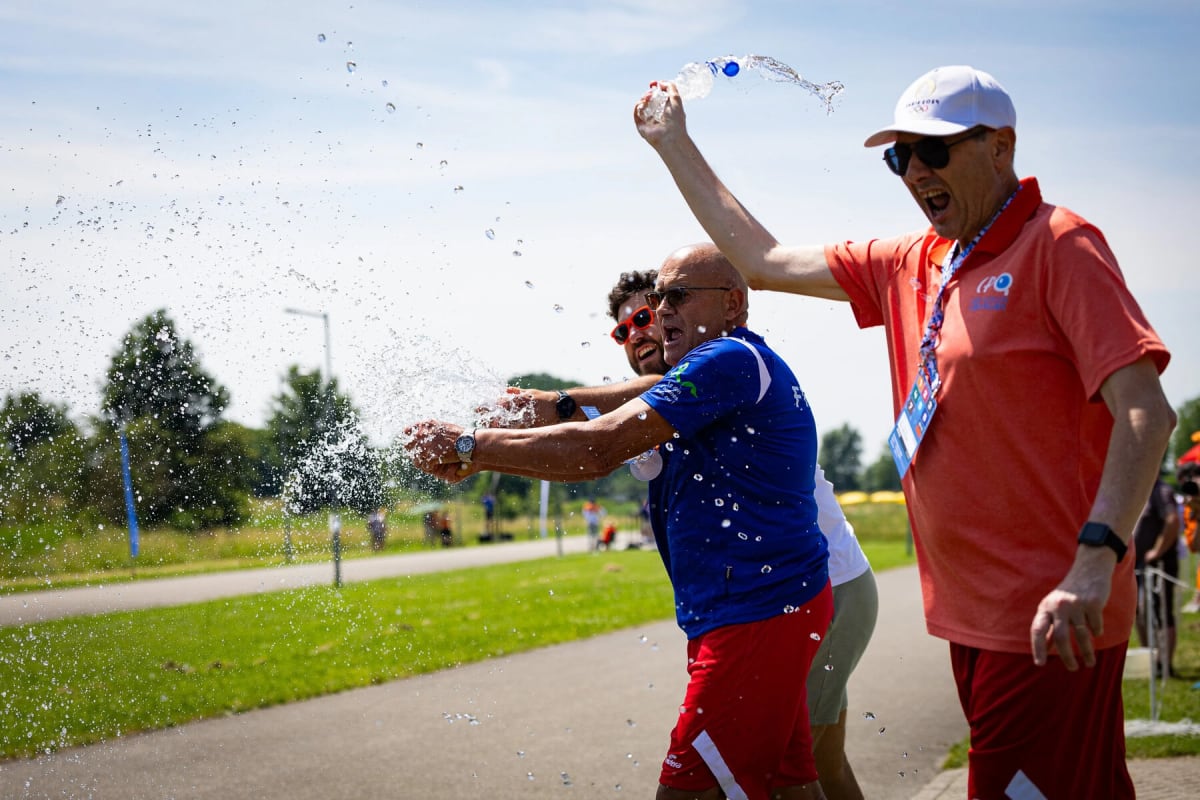
The 32-year-old German accountant joined 600 other transplant recipients, living donors, and their families in Arnhem, Netherlands for a week of Olympic-style competition. Some competitors train year-round for events like swimming and track, while others like Lindemann are just beginning, trying bowling, pétanque, and shotput for the first time.
"This friendship, this sportsmanship, whatever you want to name it, is so unique and so special because nation, gender, age is irrelevant," Lindemann says. There's no pressure to keep up or explain why you need to rest early, even in your 30s.
For many, these games offer something more powerful than medals. Post-transplant life brings emotional challenges including guilt, depression, and uncertainty about the future, especially when median survival for heart recipients is 14 to 15 years.
But seeing people who've beaten those averages and are still competing changes everything. "That's very inspiring and motivating," Lindemann says.
The movement started small in 1978 in Portsmouth, England with the first World Transplant Games. Now the event runs biennially with both winter and summer editions, plus European competitions every two years and even a Transplant Football World Cup.
Why This Inspires
Advances in surgery and medication mean transplant recipients can now be physically active in ways doctors once thought impossible. Research shows this regular activity boosts cardiovascular endurance, muscle strength, mental health, and quality of life.
Lynne Holt, the UK's first heart and lung transplant coordinator, has overseen perhaps 1,500 transplants and been involved with the Games since 1979. She now manages Team GB's athletes and watches with "leaky eyes" behind sunglasses as people transform.
"So many people lose confidence in illness, and transplant is an illness that is pretty scary," she says. "Now, they're their own person again."
Edelle Collins from Ireland knows this journey firsthand. The sporty teenager with cystic fibrosis watched her condition worsen over the years, leading to frequent hospital stays and a near-fatal Covid infection before receiving a double lung transplant in 2021.
The surgery brought new challenges including kidney problems requiring dialysis three times weekly. Between new medications and trying to avoid infection, there was little room for joy.
The Transplant Games helped Collins see beyond survival to possibility, proving that the gift of a new organ can lead to a whole new identity built on strength, not sickness.
Based on reporting by Reasons to be Cheerful
This story was written by BrightWire based on verified news reports.
Spread the positivity!
Share this good news with someone who needs it