Trees Triple Milk Production on Climate-Hit Benin Farms
Dairy cows in northern Benin are producing three times more milk when raised on farms with native trees instead of open pastures. The simple shift is helping families weather drought and heat waves while keeping herds healthier.
In Benin's drylands, where six million animals depend on shrinking grasslands, researchers just discovered a remarkably simple solution to climate chaos: plant more trees.
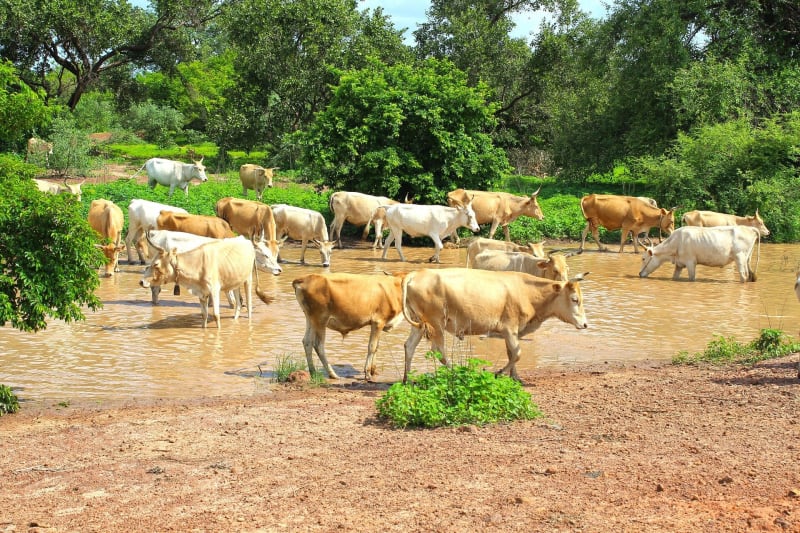
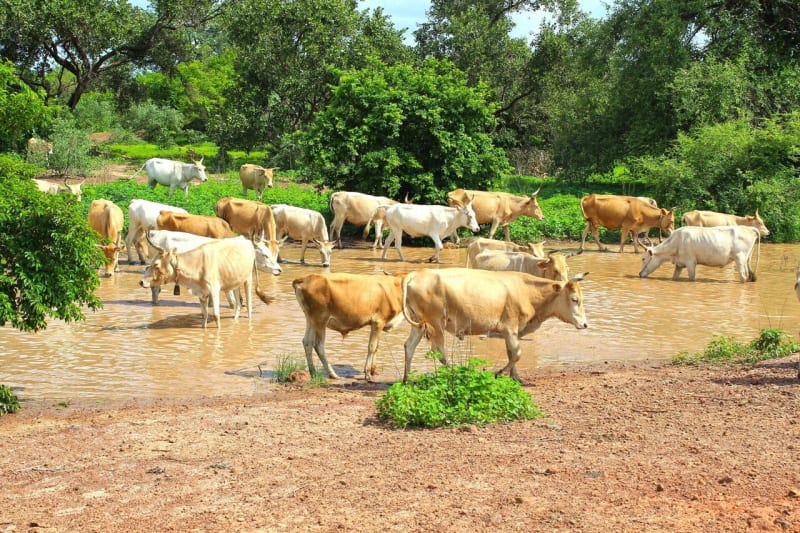
A new study tracked 447 dairy cows across 40 farms in northern Benin and found something extraordinary. Cows raised in systems where trees, crops, and livestock share the same land produced nearly three times more milk daily than those grazing in traditional open pastures.
The difference comes down to survival basics. When pastures dry out earlier each year and heat waves intensify, cows in treeless systems suffer. They eat less, overheat, and get sick more often from diseases like mastitis and tick-borne infections.
But under tree canopies, everything changes. The shade creates cooler microclimates that help cattle regulate their body temperature. Native species like African mahogany and rosewood drop protein-rich leaves when grass disappears, keeping cows well-fed through drought.
Researcher Alassan Assani Seidou found that better nutrition meant more than just milk. Calf survival rates climbed higher in tree-based systems, suggesting the benefits ripple across generations of livestock.
Benin's drylands cover 70% of the country and support 2.5 million cattle that walk long distances with herders searching for food and water. As rainy seasons grow shorter and less predictable, families depending on livestock face mounting food insecurity and income loss.
The tree-based approach isn't actually new. West African farmers have fed animals tree leaves and pods during dry seasons for generations. What changed is that land pressure pushed livestock farming away from trees as agriculture expanded.
Now climate science is catching up to traditional wisdom. The trees do more than feed cattle. Fallen leaves enrich soil as they decompose, and livestock manure becomes better fertilizer. Some species provide fruits, firewood, timber, or medicine, diversifying what farming families can harvest.
The Ripple Effect
Families practicing agroforestry weathered dry seasons with steadier milk production and more reliable animal feed. Their cows stayed in better condition for breeding, protecting long-term herd productivity when neighbors saw their cattle weaken.
The economic impact extends beyond the barn. Extra products from trees give households additional food and income exactly when drought hits hardest. Healthier landscapes mean healthier livestock, which means more stable livelihoods for millions of people.
Seidou's team is now calling on policymakers and development finance institutions to create programs that help smallholder farmers integrate native trees into dryland dairy operations. The research proves what works; the next step is making it accessible.
One simple change, planted years ago by farmers who never forgot their ancestors' knowledge, is now protecting families from a warming world.
More Images

Based on reporting by Phys.org
This story was written by BrightWire based on verified news reports.
Spread the positivity!
Share this good news with someone who needs it