Tribe Turns Poaching Hotspot Into $62K Wildlife Reserve
A small indigenous community in India transformed a dying forest into a thriving wildlife reserve, proving conservation can create prosperity. The Bugun tribe now earns $62,000 annually protecting the species they once hunted.
In the forests of Singchung, India, silence was spreading like a warning. The Bugun tribe watched their homeland grow quieter each year as hunting and logging pushed wildlife to the edge of extinction.
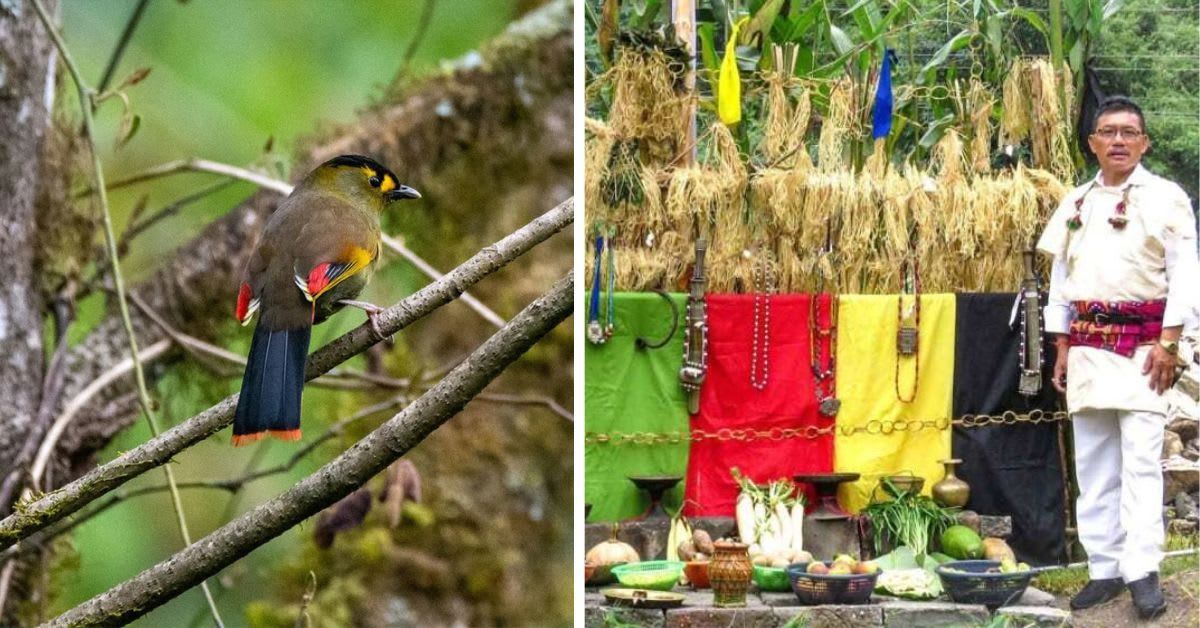
Among the disappearing was the Bugun liocichla, a tiny bird found nowhere else on Earth. With fewer than 250 individuals left, this species was racing toward extinction in the only forest it calls home.
Then conservationist Ramana Athreya asked a simple question: what if the forest could provide livelihoods without being destroyed? The 20,000-member Bugun tribe decided to find out.
They stopped hunting and started guiding. Instead of cutting trees for timber, they welcomed visitors to experience the biodiversity they once extracted. The shift was radical but rooted in hope.
In 2017, their forest became the Singchung Bugun Village Community Reserve, a 17-square-kilometer protected area managed entirely by the community. Eight Bugun men now patrol the reserve, protecting it from poaching and illegal logging.
The forest responded. Red pandas returned. Himalayan black bears, Asian elephants, and golden cats reclaimed their territory. The silence broke into birdsong again.
The Ripple Effect
The transformation didn't just save wildlife. It rebuilt an entire economy around conservation. Ecotourism brought visitors eager to spot rare species and experience indigenous culture.
Community members now earn income through guided treks, homestays, and wildlife photography tours. The reserve generates approximately Rs 50 lakh, about $62,000, in annual revenue that flows directly to local families.
Their success caught national attention. The Bugun tribe won India's prestigious Biodiversity Award, along with the Responsible Tourism Award and Sustainable Champions Award.
But the real prize isn't recognition. It's watching children grow up knowing the forest as a source of pride rather than just survival. It's hearing elders speak about wildlife with protection instead of extraction in mind.
The Bugun story proves a powerful truth: the people closest to nature often make its best guardians. When communities see themselves as partners in conservation rather than obstacles to it, remarkable transformations become possible.
From poachers to protectors, from extraction to ecotourism, this small tribe reimagined what relationship with land could look like, and in doing so, they saved both their forest and their future.
More Images
%2Fenglish-betterindia%2Fmedia%2Fmedia_files%2F2026%2F03%2F27%2Fwildlife-conservation-arunachal-pradesh-2026-03-27-13-09-30.jpg)
%2Fenglish-betterindia%2Fmedia%2Fmedia_files%2F2025%2F11%2F20%2Fwild-at-heart-banner-image-microsite-banner-2025-11-20-16-17-04.jpg)
%2Ffilters%3Aformat(webp)%2Fenglish-betterindia%2Fmedia%2Fmedia_files%2F2026%2F03%2F27%2Fwildlife-conservation-arunachal-pradesh-2026-03-27-13-10-21.jpg)

Based on reporting by The Better India
This story was written by BrightWire based on verified news reports.
Spread the positivity!
Share this good news with someone who needs it