Tripura Startup Brings 2,000 Litres to Flood-Hit Assam
When floods contaminated Assam's water supply, a university-backed startup drove their mobile purification system to affected villages and turned dirty floodwater into safe drinking water on the spot. InstaWater supplied over 2,000 litres of clean water to 30 families using patented technology that works right where people need it most.
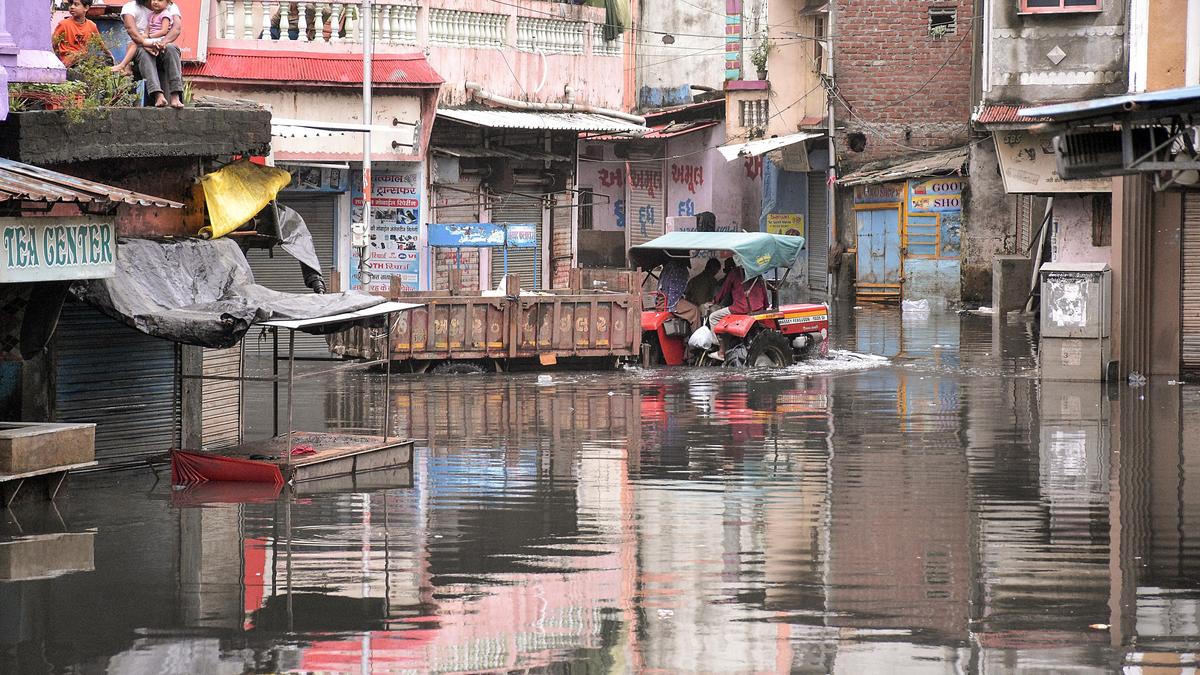
When monsoon floods swallowed villages across Assam this season, families faced a hidden crisis that arrived after the waters rose: every well, pond, and water source was contaminated with sewage and waste.
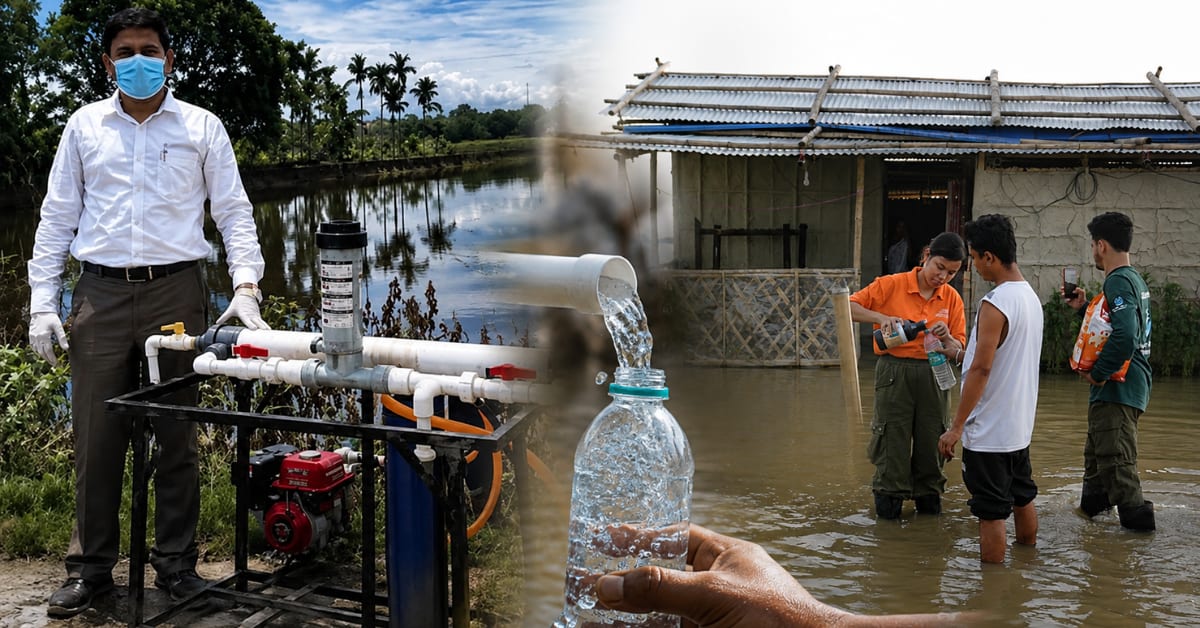
Professor Harjeet Nath wasn't about to wait for the problem to solve itself. The founder of InstaWater, a startup incubated at Tripura University, packed up his team's mobile water purification unit and headed straight into the disaster zone.
In Amguri, a flood-affected area where traditional water supplies had become dangerous to drink, Nath and his team set up their portable system and got to work. Their patented technology does something remarkable: it treats contaminated floodwater right on the spot, turning unsafe water into clean drinking water exactly where families need it.
Over several days, the InstaWater team supplied more than 2,000 litres of purified drinking water to around 30 affected families. Nath worked alongside M Tech student Ashim and technician Santanu, moving their mobile unit from village to village and producing safe water from whatever sources were available.
The approach solves a massive logistical problem that typically hampers flood relief. Instead of trucking in heavy pallets of bottled water over damaged roads to remote locations, the system converts local water supplies into safe drinking water on demand.
For communities cut off from regular supplies and surrounded by contaminated water, the technology addresses their most urgent need while reducing the risk of waterborne diseases that often follow flooding disasters.
The Ripple Effect
InstaWater's intervention shows how India's disaster response is getting smarter. While rescue teams and government agencies handle the immediate emergency, locally developed technologies are filling critical gaps that traditional relief efforts sometimes miss.
The mobile purification system represents a new kind of disaster response tool, one that's portable enough to reach isolated villages but powerful enough to provide clean water for dozens of families. It turns a vulnerable community's biggest liability (contaminated floodwater everywhere) into their solution.
As climate change makes extreme weather events more common across India, innovations developed in regional universities are proving they can stand shoulder to shoulder with conventional relief measures. The technology doesn't replace emergency responders, it multiplies what they can accomplish.
What started as a research project at Tripura University has become a lifeline for families watching floodwaters recede but still unable to safely drink the water around them. Clean water is flowing where it's needed most, and that changes everything for recovery.
More Images
%2Fenglish-betterindia%2Fmedia%2Fmedia_files%2F2026%2F08%2F04%2Fassam-floods-2026-08-04-12-55-26.png)

%2Ffilters%3Aformat(webp)%2Fenglish-betterindia%2Fmedia%2Fmedia_files%2F2026%2F08%2F04%2Fassam-floods-2026-08-04-12-56-21.png)
%2Ffilters%3Aformat(webp)%2Fenglish-betterindia%2Fmedia%2Fmedia_files%2F2026%2F08%2F04%2Fassam-floods-2026-08-04-12-57-44.png)
Based on reporting by The Better India
This story was written by BrightWire based on verified news reports.
Spread the positivity!
Share this good news with someone who needs it