Trusting People Protects You More Than Cynicism Does
Scientists discovered that cynics are no better at detecting lies than trusting people, but they miss out on better relationships and health. New research reveals how to stay open to humanity without getting duped.
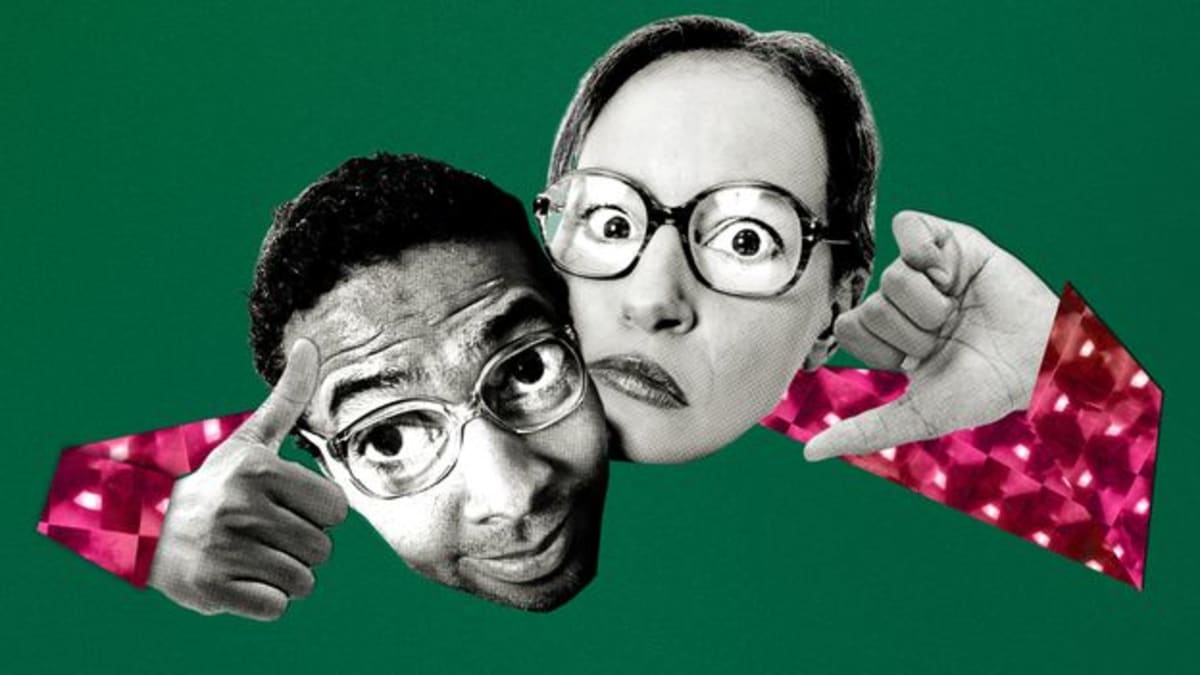
Good news for optimists: your rose-tinted glasses aren't making you gullible. Research spanning two decades shows that trusting people are just as good at spotting lies as cynics, but they enjoy better relationships and even better health.
Scientists at the University of Oklahoma tested this by having people watch recorded interviews and identify who was lying. The results surprised everyone: suspicious people were no better at detecting liars than trusting folks. Both groups made the same mistakes.
The reason? There's no universal "tell" that gives away a liar. Your nervous habits are completely different from mine, so strangers can't reliably read our body language no matter how skeptical they are.
But what about scams? Researchers found that avoiding scams has nothing to do with general trust. Psychologist Alessandra Teunisse created a "Gullibility Scale" and sent participants fake phishing emails. The people who clicked on suspicious links scored high on gullibility but not low on trust.
The difference is spotting red flags. A trustworthy person can believe the best in people while still noticing when an email address looks fishy or a story doesn't add up. You can think most people are good and still protect yourself from the bad ones.
Meanwhile, cynics pay a steep price for their suspicion. Studies show they earn less money over their lifetimes, enjoy fewer quality friendships, and even experience worse health outcomes. Their constant suspicion creates stress and keeps them isolated from the very connections that make life meaningful.
Why This Inspires
This research offers a refreshing message: you don't have to harden your heart to protect yourself. The key is staying open to people while staying alert to situational red flags. When someone claims to be a foreign prince emailing you millions, your trust in humanity doesn't require you to believe them.
Scientists found that experiencing "elevation," that uplifting feeling when we witness extraordinary kindness, actually makes us more discerning, not less. Seeing the good in people sharpens our ability to recognize when something feels off.
The research suggests simple strategies: look for context clues rather than trying to read minds, verify information when stakes are high, and remember that most people really are honest most of the time. When your new friend texts about their brother's car accident, you can offer sympathy and suggest meeting another time without assuming they're lying.
Being trusting isn't about being naive. It's about recognizing that while scammers exist, they're the rare exception in a world where most people genuinely mean well.
More Images

Based on reporting by BBC Future
This story was written by BrightWire based on verified news reports.
Spread the positivity!
Share this good news with someone who needs it