Tunisia Approves Home Solar Batteries During Heatwave
As scorching temperatures push Tunisia's power grid to the breaking point, the country just made it legal for households to install solar panels with battery backup. It's a win for families tired of blackouts and a major step toward clean energy independence.
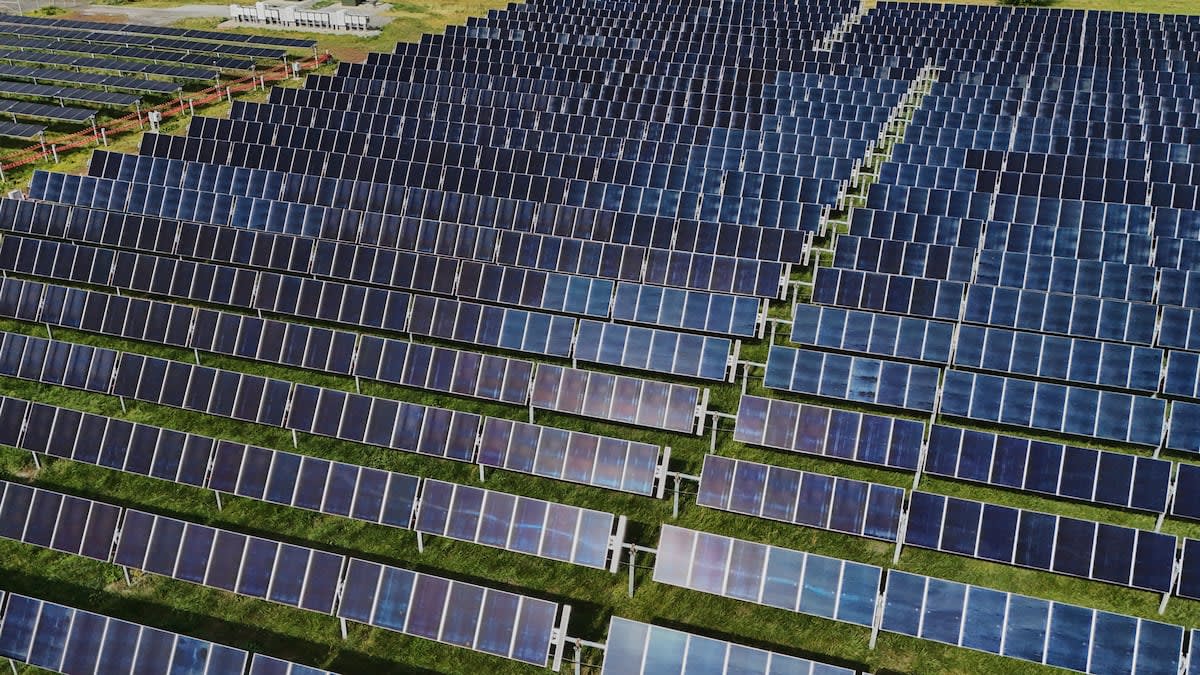
Tunisians sweltering through record heat since mid-July just got some relief that doesn't require air conditioning. The national utility company has authorized homeowners and small businesses to install solar panels paired with battery storage systems, giving them power even when the grid goes dark.
The timing couldn't be better. Soaring temperatures have sent electricity demand to all-time highs as people crank up their AC units. The strain has caused repeated blackouts across the country, leaving families without power during the hottest hours of the day.
Now those with rooftop solar can store excess energy in batteries and tap into it during outages. The Tunisian Company of Electricity and Gas even published a detailed technical guide to help homeowners, installers, and technicians set up these systems safely and correctly.
The renewable energy sector is celebrating the move as a breakthrough. Sadok Besbes, who leads the Renewable Energy Professional Group at Tunisia's business confederation, called it an important expansion of distributed energy storage on national radio.
The Ripple Effect
This policy shift does more than keep the lights on during heat waves. It empowers ordinary Tunisians to generate and store their own clean energy, reducing pressure on an overloaded grid while cutting carbon emissions.
As more households adopt solar-plus-storage, the country edges closer to energy independence and climate resilience. Each rooftop installation means less reliance on fossil fuels and fewer greenhouse gases heating the planet.
Industry leaders are now pushing for government incentives to accelerate adoption. Besbes has proposed cutting customs duties on solar panels and batteries, which would make the technology more affordable for average families.
The move signals a practical response to climate challenges: when extreme weather threatens essential services, clean energy solutions can step in to fill the gap. Tunisia is turning a crisis into an opportunity that could reshape how the entire nation powers its homes.
More Images



Based on reporting by PV Magazine
This story was written by BrightWire based on verified news reports.
Spread the positivity!
Share this good news with someone who needs it