Turkish Fishermen Triple Marine Sanctuaries in 5 Years
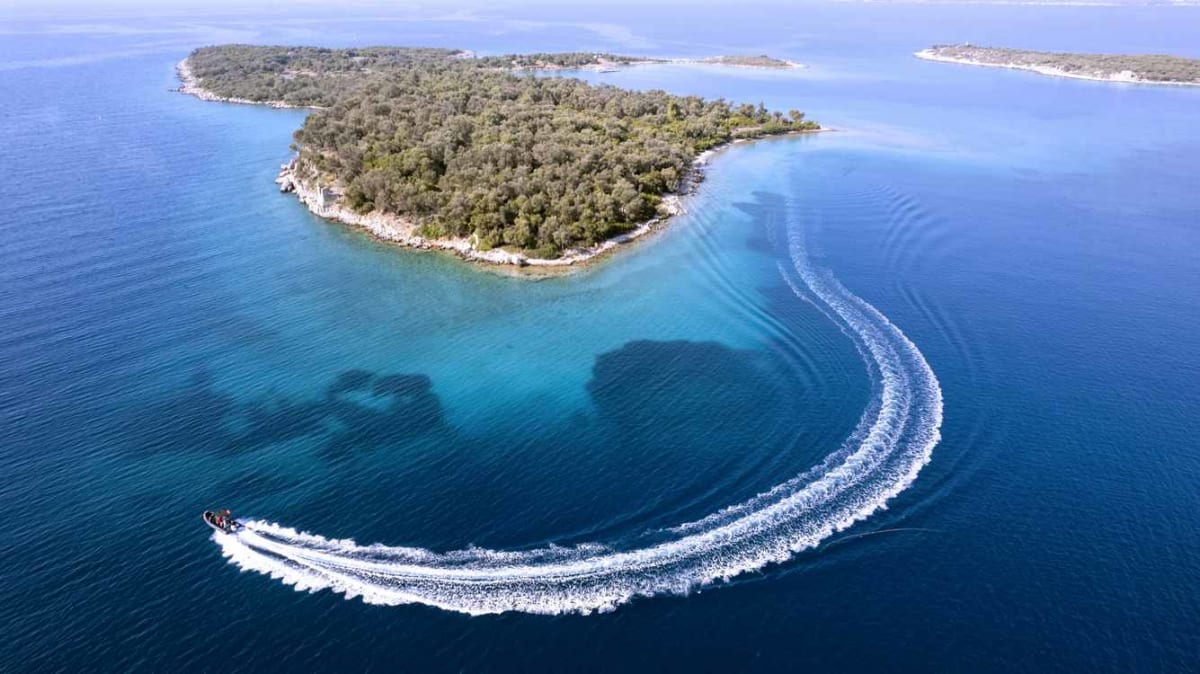
Local fishermen and conservationists transformed 310 miles of Turkey's Mediterranean coast into thriving marine sanctuaries, bringing back endangered sharks and seals while boosting fishing catches. What started as one small protected bay in 2012 became 18 no-fishing zones by 2023.
When fishermen along Turkey's Mediterranean coast first heard about expanding no-fishing zones, many were skeptical. Then they met fishermen from Gökova Bay who were catching more fish than ever before, seven years after their waters became protected.
That conversation sparked one of the Mediterranean's most remarkable conservation comebacks. Between 2019 and 2023, local communities and conservationists worked together to create or expand 18 marine sanctuaries along 310 miles of coastline, tripling Turkey's total protected seascapes.
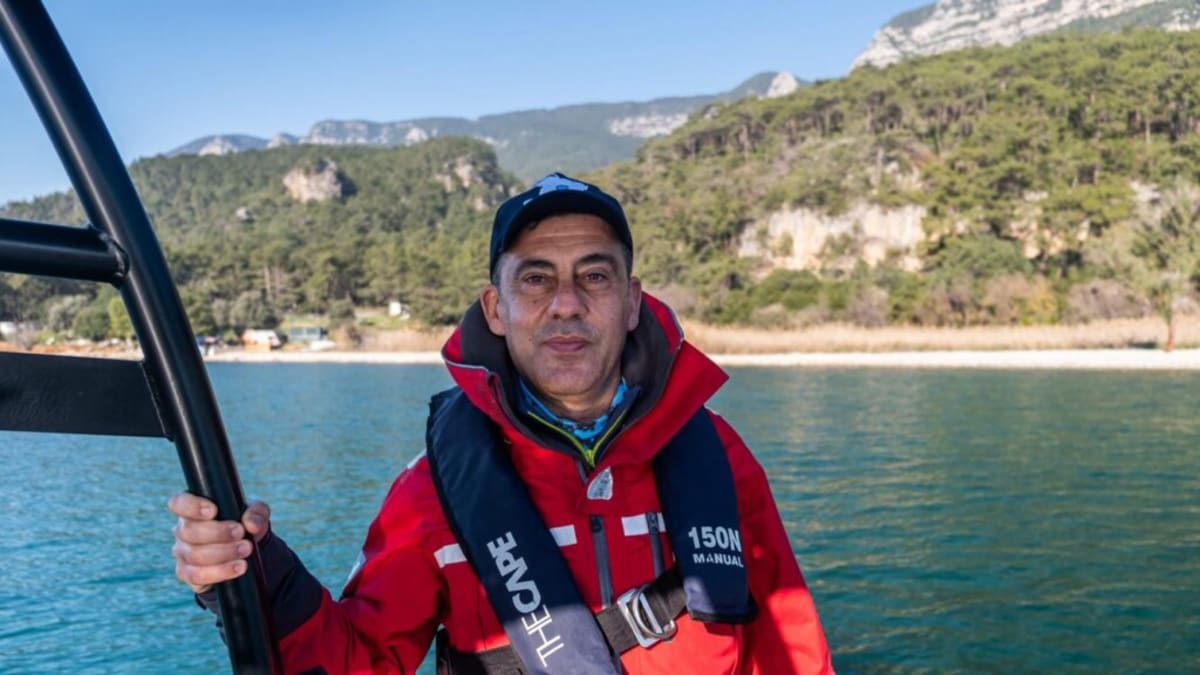
The project began when conservationist Zafer Kızılkaya noticed a troubling pattern. Turkey had established six marine protected areas with special ecosystems like coral reefs and seagrass meadows, but illegal fishing was decimating them. Sharks, seals, and sea turtles were disappearing, and honest fishermen were struggling with smaller catches.
Kızılkaya's team received $3 million from the Endangered Landscapes & Seascapes Program to try a different approach. Instead of top-down enforcement, they brought local fishing communities into the solution.
The strategy worked because it connected the dots. Fish and sharks migrate seasonally, so protecting isolated patches of ocean wasn't enough. The team linked existing sanctuaries with ecological corridors and highly protected zones where marine life could thrive year-round.
When Turkish coast guard officials said they lacked resources to patrol for illegal fishing, the project trained local "marine rangers" who knew exactly where poachers operated. These community guardians, working with law enforcement, drove illegal fishing down by 80%.
The Ripple Effect
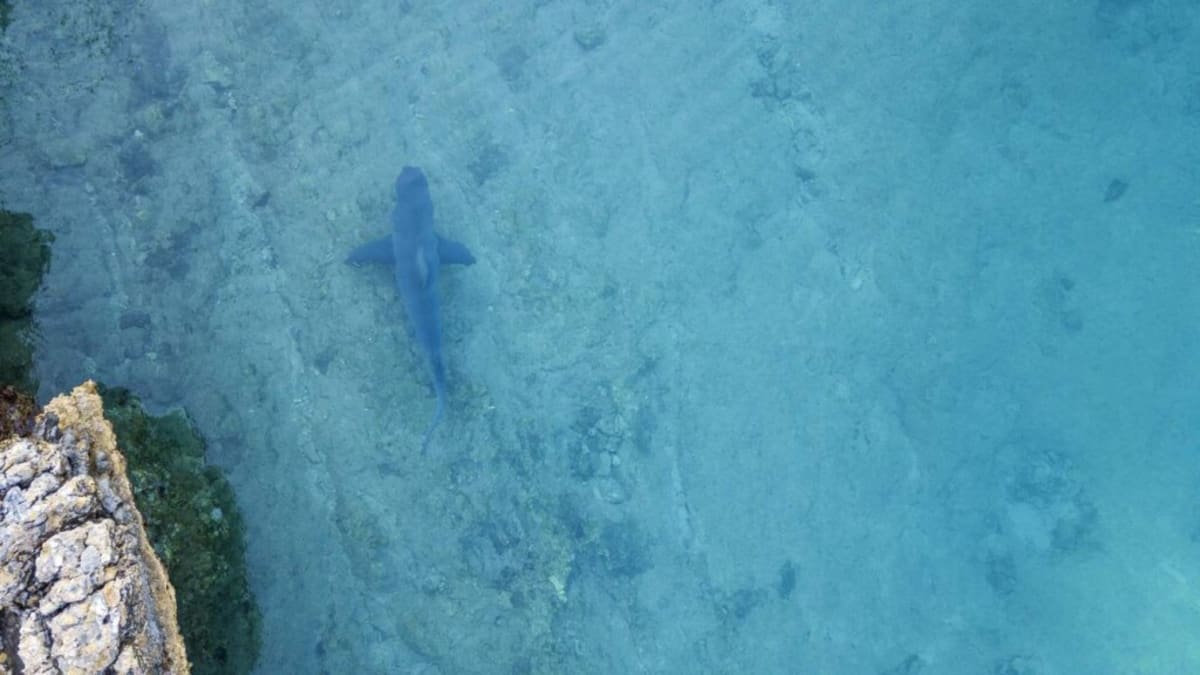
Within just a few years, the ocean responded. Sandbar sharks returned to waters that are now the only year-round shark habitat in the entire Mediterranean. Over 30 endangered Mediterranean monk seals have made the protected areas their home.
The fishing communities saw the benefits too. Catches increased in the waters surrounding the sanctuaries as protected fish populations spilled over into fishing zones. Tourism grew as visitors came to see the recovering marine life.
Kızılkaya won the 2023 Goldman Environmental Prize for this work, but he emphasizes the real victory belongs to the communities. Fifteen years ago, marine conservationists worked in isolation. Today, projects across the Mediterranean share ideas and support each other, creating a network of hope.
The seals are breeding, the sharks are hunting, and the fishermen who once worried about no-fishing zones are now their strongest defenders.
More Images


Based on reporting by Good News Network
This story was written by BrightWire based on verified news reports.
Spread the positivity!
Share this good news with someone who needs it