Turkmenistan Fixes 8 Major Methane Leaks After Satellite Alert
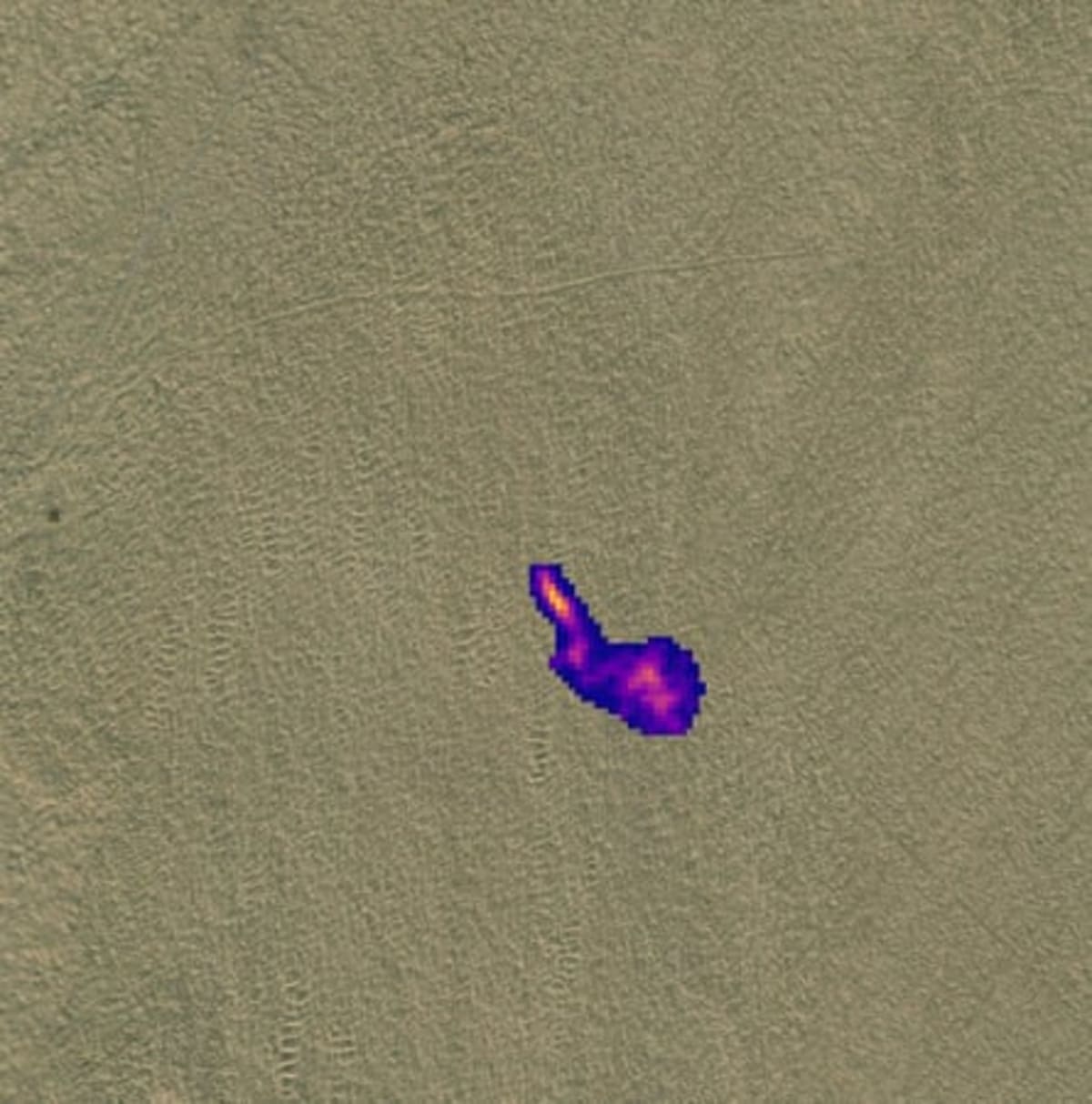
A secretive nation once called the world's worst methane polluter just fixed eight mega-leaks after UN satellites exposed the problem. The repairs happened so fast that climate experts are calling it proof that satellite monitoring can drive real change.
Turkmenistan just did something experts thought might never happen. The country fixed eight massive methane leaks spewing from its aging oil and gas fields after satellite data revealed the shocking scale of the problem.
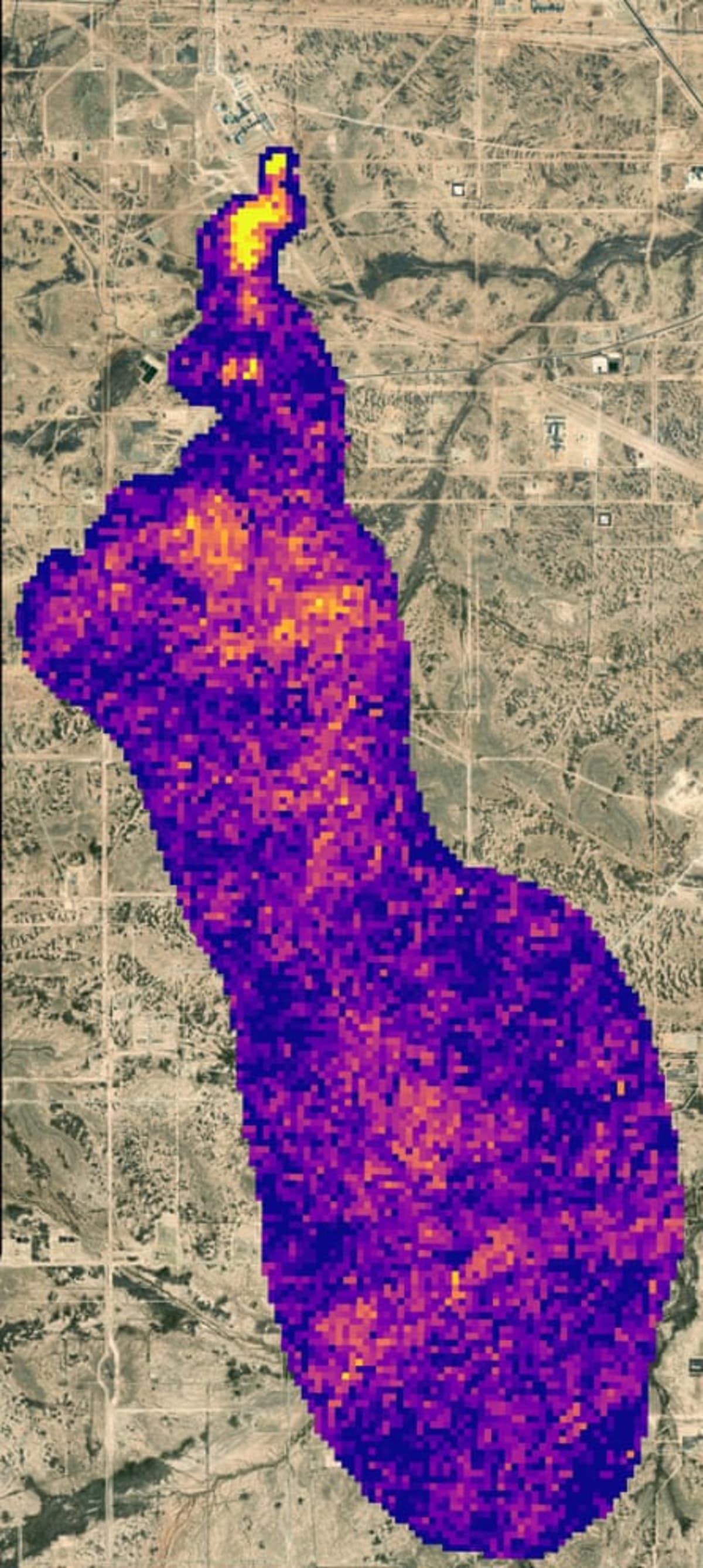
These weren't small leaks. A single "super-emitter" methane plume heats the planet more than a million SUVs driving at once. Turkmenistan had the worst record on Earth, with sources in the capital saying international scrutiny finally pushed the secretive government to act.
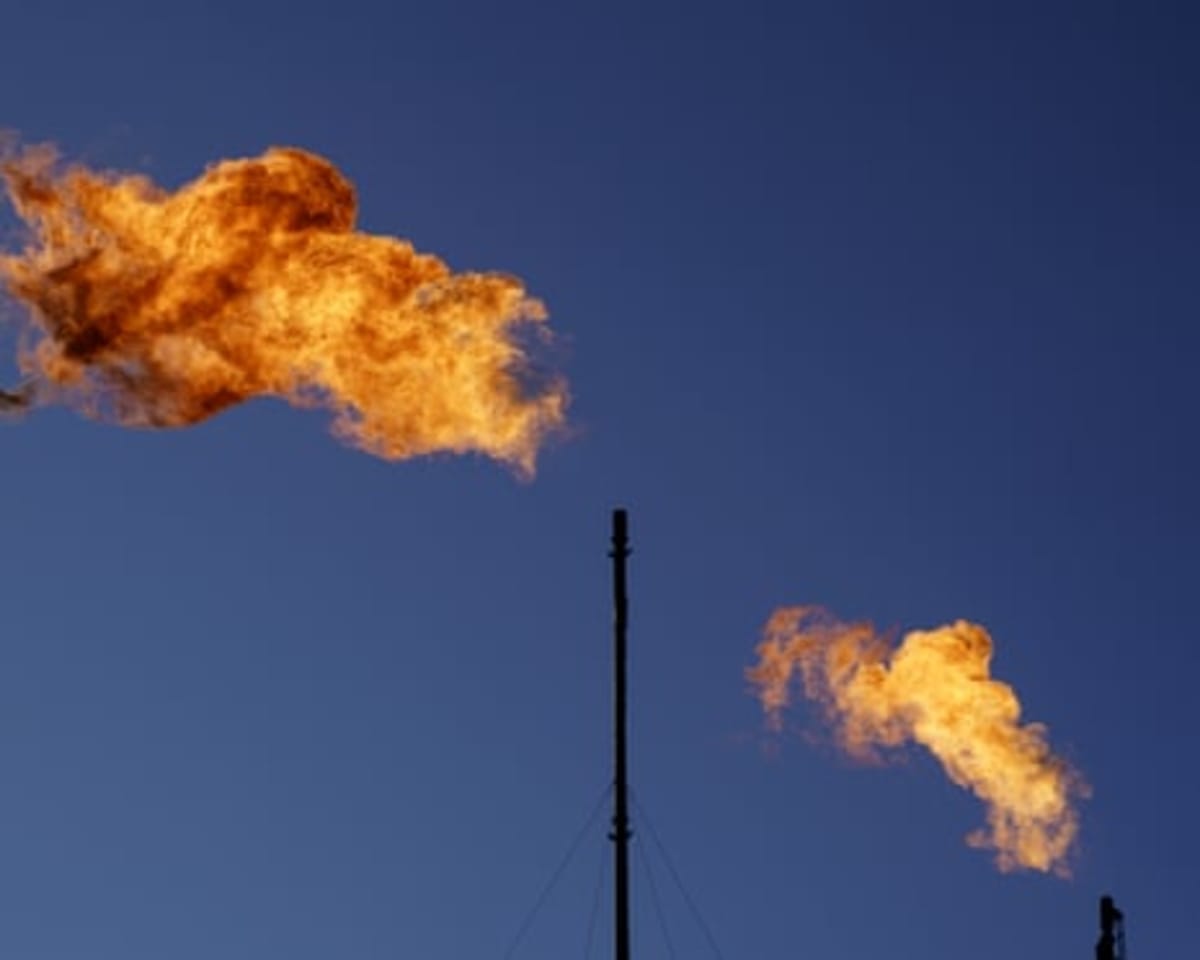
The fixes included repairing corroded pipes, broken wells, and failing flares. One leak that stopped in March had been pouring methane into the atmosphere from a single rusted pipeline. These repairs happened within months of being detected, not years.
Methane traps 80 times more heat than carbon dioxide and causes a quarter of all global warming today. The good news? It breaks down much faster than CO2, meaning stopping leaks cools the planet quickly. Climate scientists call it the "emergency brake" we can actually pull.
The UN's Methane Alert and Response System sent 192 leak alerts to Turkmenistan in the past year. The country responded to about 20% of them with repair plans and on-the-ground information. That response rate keeps growing every month.
Why This Inspires
This breakthrough proves something important: satellites can spot environmental problems from space, and countries will respond when the world is watching. Turkmenistan joined the global methane pledge in 2023, two years after it launched, following media reports about its mega-leaks.
The system works beyond Turkmenistan too. Kazakhstan fixed eight leaks after satellite alerts. Algeria just sealed a leak that had been running for almost 40 years from a broken flare. In total, 43 leaks worldwide have been plugged since the satellite monitoring program started.
Meghan Demeter, who manages the UN alert system, calls it proof that the pipeline from satellite data to real fixes "works quite quickly." The technology connects the dots between detection and action in ways that weren't possible before.
There's still work ahead. Turkmenistan had three of the six worst leaks detected globally in recent months. But the country stays in regular contact with the UN, and repair crews now know these leaks can be fixed with straightforward repairs instead of massive overhauls.
The worst leak currently detected sits in Mexico's offshore oil industry at 37 tonnes per hour, equal to more than seven million SUVs. Mexico has responded to all 23 alerts it received and repair plans are underway.
Every sealed leak matters because methane reduction delivers fast climate results we can measure within years, not decades.
More Images

Based on reporting by Guardian Environment
This story was written by BrightWire based on verified news reports.
Spread the positivity!
Share this good news with someone who needs it