Turn Your Lawn Into a Wildlife Haven in 4 Simple Steps
Americans are transforming their grass lawns into native plant gardens that feed butterflies, birds, and bees. If half of U.S. lawns became wildlife habitats, we'd create more protected space than Yellowstone and a dozen other major national parks combined.
Imagine creating more wildlife habitat than Yellowstone National Park right in your own backyard. That's the collective power sitting in America's 40 million acres of lawn.
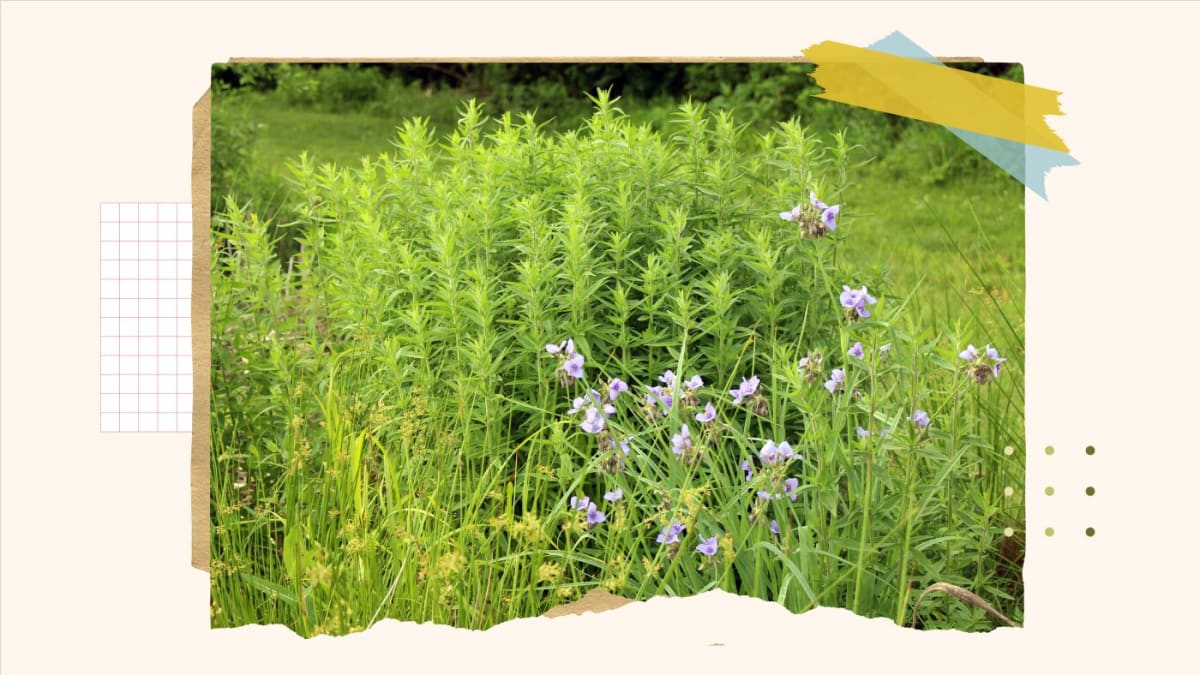
Across the country, homeowners are ditching their high-maintenance grass for native plant gardens that buzz with life. Three years ago, a garden near Kansas City was just another patch of turf. Today, it's filled with Ohio spiderwort and mountain mint that attract countless pollinators.
The timing couldn't be better. North America has lost one quarter of its birds and the United States has lost one fifth of its butterflies in recent decades. These backyard transformations are helping reverse that trend while cutting down on pollution from gas-powered mowers and chemical runoff from fertilizers and weedkillers.
University of Delaware entomologist Doug Tallamy calculated something remarkable. If Americans reduced their lawns by just half and planted native gardens instead, the new habitat would exceed the combined area of Yellowstone and a dozen other major national parks.
Getting started is easier than most people think. Experts recommend beginning small, perhaps along a fence or around a tree. Starting with a manageable space prevents overwhelm and lets gardeners build confidence before expanding.
The secret weapon is native plants, the flowers and shrubs that have existed in North America for thousands of years. These plants are magnets for local insects like monarch butterflies, which can only eat milkweed. Those insects then feed birds, frogs, and other wildlife, creating a thriving ecosystem.
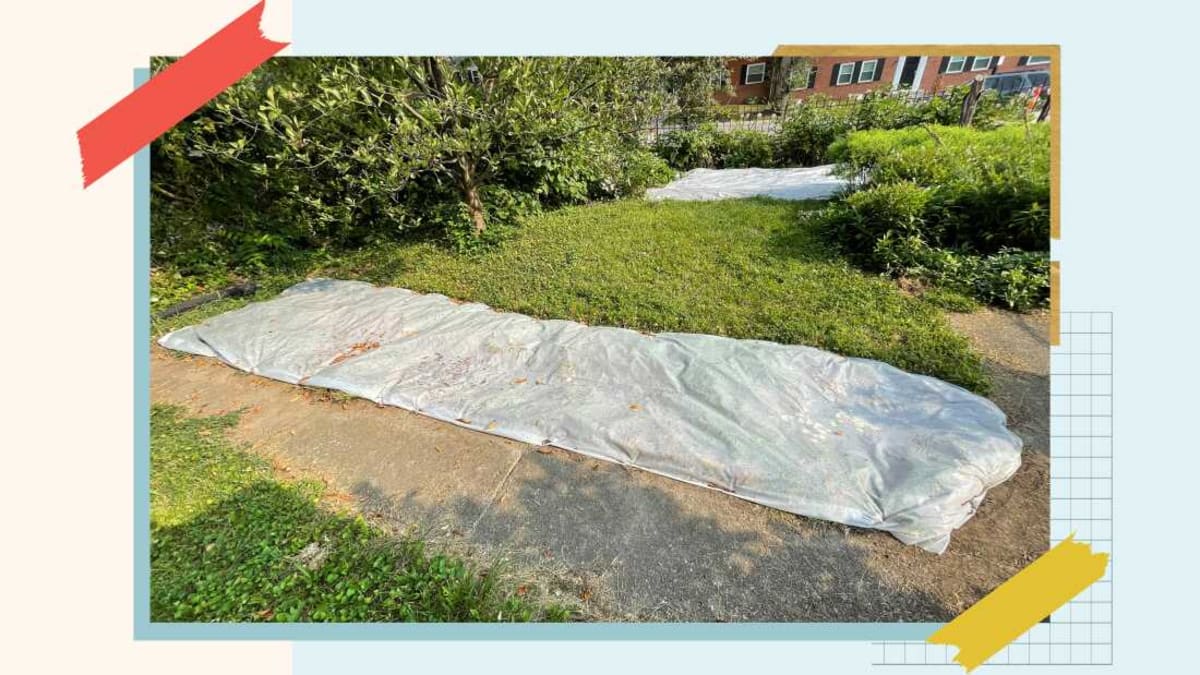
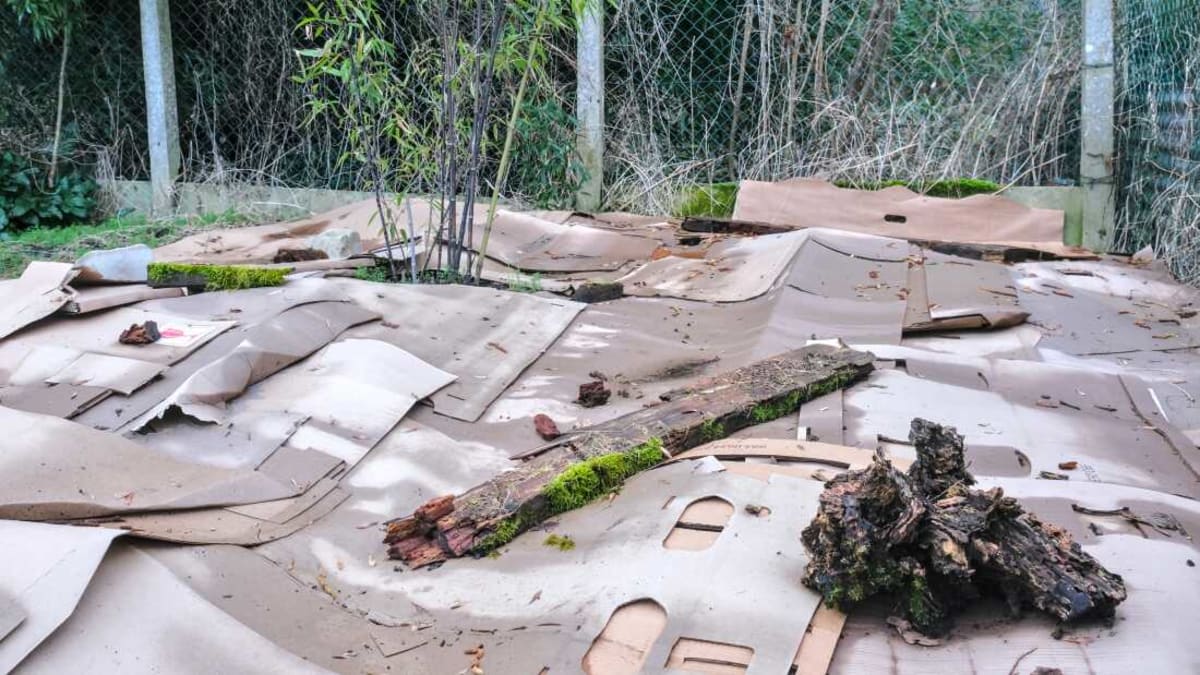
Killing the grass takes patience but requires minimal effort. Homeowners can smother turf with cardboard or clear plastic, let the sun bake it, or dig it out by hand. The dead grass decomposes naturally, enriching the soil for new plants.
The Ripple Effect
These small gardens are adding up to major environmental wins. Every converted lawn means less air pollution from mowers, fewer chemicals washing into rivers, and more safe spaces for struggling pollinator populations.
Deep Roots KC, a Kansas City organization, now teaches hundreds of residents how to create these habitat gardens. Similar groups have sprouted up nationwide, turning isolated backyard projects into a grassroots conservation movement.
The beauty extends beyond helping wildlife. Native plants require less water and maintenance than grass once established, giving homeowners their weekends back while their gardens work overtime supporting local ecosystems.
One yard at a time, Americans are proving that conservation doesn't require grand gestures. Sometimes the most powerful climate solution starts right outside your front door.
More Images
Based on reporting by NPR Science
This story was written by BrightWire based on verified news reports.
Spread the positivity!
Share this good news with someone who needs it