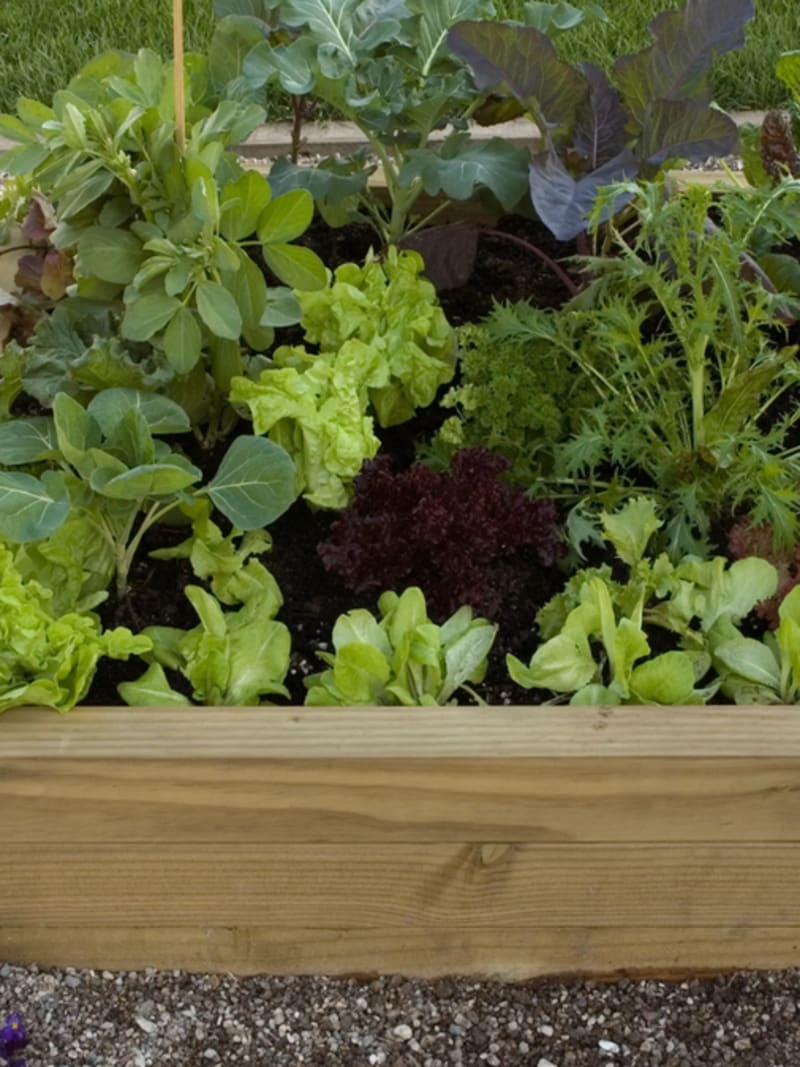
Turn Your Terrace Into a Food Garden With Wooden Crates
Forget expensive planters and plastic pots. A simple terrace gardening method using recycled wooden crates is helping people grow fresh vegetables at home while cutting waste and saving money.
Your terrace could be growing fresh okra, sweet potatoes, and brinjal right now, and you don't need a single plastic pot to make it happen.
Gardeners across India are transforming their rooftops into productive kitchen gardens using nothing more than recycled wooden fruit crates lined with old jute sacks. The breathable, eco-friendly planters cost next to nothing and give new life to materials that would otherwise be discarded.
The secret lies in building what gardeners call "living soil." By layering garden soil with compost, dried leaves, and cocopeat, home growers create a light, nutrient-rich mix that helps roots thrive and drains excess water naturally. A top layer of dry leaves or straw acts as mulch, locking in moisture and keeping roots cool even in summer heat.
The method works beautifully for everyday vegetables that Indian families cook with regularly. Okra, brinjal, and gourds flourish in wooden crates, while climbing vegetables can be trained upward to make smart use of vertical space on small terraces.
Sweet potatoes have become a favorite among terrace gardeners because they're hardy, forgiving for beginners, and ready to harvest in about four months. The reward of pulling your own sweet potatoes from soil you built yourself is hard to beat.
The Ripple Effect
This isn't just about fresh vegetables. Every wooden crate reused is one less plastic pot manufactured. Every terrace garden reduces the distance food travels from farm to plate, cutting carbon emissions one homegrown meal at a time.
Combining crates with reused buckets and fabric grow bags lets urban gardeners maximize every inch of space without generating plastic waste. The approach slashes grocery bills while giving city dwellers a direct connection to where their food comes from.
Starting small is the key. A few planters in the first season build confidence and teach you what grows best in your specific conditions. Season by season, that modest beginning can flourish into a sustainable kitchen garden that feeds your family year-round with vegetables you grew from scratch.
Your terrace is just waiting to feed you.
Based on reporting by The Better India
This story was written by BrightWire based on verified news reports.
Spread the positivity!
Share this good news with someone who needs it