Twice-Yearly BP Shot Could Replace Daily Pills for Millions
Scientists have found that two injections per year could control high blood pressure as effectively as daily pills, potentially transforming care for over a billion people worldwide. The treatment is now in late-stage global trials.
Imagine managing high blood pressure with just two doctor visits per year instead of swallowing pills every single day. That future may be closer than you think.
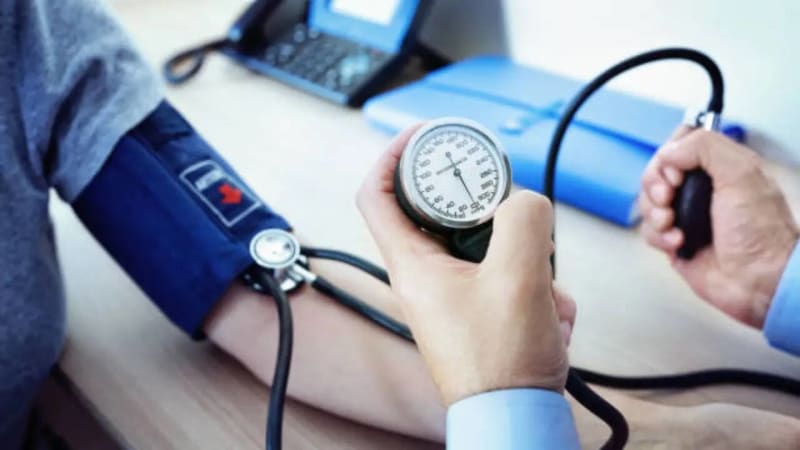
A groundbreaking review published in The Lancet reveals that twice-yearly injections currently in late-stage trials could revolutionize hypertension treatment for more than one billion people worldwide. The approach targets one of medicine's biggest challenges: getting patients to stick with their medication.
High blood pressure affects roughly one in three adults globally and serves as a leading cause of heart attacks, strokes, kidney failure, and dementia. Despite having effective pills available, fewer than 12 percent of patients in countries like India keep their blood pressure under control.
The problem isn't a lack of good medicine. It's that daily pills require consistency, prescription refills, and long-term motivation that many people struggle to maintain.
The new injections work by targeting biological pathways that regulate blood pressure, particularly the renin-angiotensin system that controls blood vessel constriction and fluid balance. Rather than temporarily blocking these pathways like oral drugs do, the long-acting shots provide sustained suppression for six months at a time.
Patients would receive their injections in a clinical setting, eliminating missed doses entirely. For elderly patients managing multiple conditions, busy professionals juggling demanding schedules, or people living in areas with limited healthcare access, this could be life-changing.
The Ripple Effect
Better medication adherence translates directly into saved lives. When blood pressure stays controlled, the risk of deadly cardiovascular events drops significantly. This matters especially in developing nations where healthcare infrastructure makes daily medication challenging.
The approach could also reduce healthcare costs over time. Fewer emergency room visits, heart attacks, and strokes mean less strain on medical systems already stretched thin.
Scientists caution that injections won't completely replace pills for everyone. Instead, they'll serve as a powerful alternative for patients who struggle with daily therapy or need additional control beyond what oral medications provide.
The shift from daily burden to twice-yearly simplicity represents more than medical innovation. It's a recognition that the best treatment is one patients can actually follow.
More Images



Based on reporting by Google News - Health Breakthrough
This story was written by BrightWire based on verified news reports.
Spread the positivity!
Share this good news with someone who needs it