Two 'Extinct' Species Found Alive After 6,000 Years
Scientists in West Papua have rediscovered two tiny marsupials thought extinct for 6,000 years, rewriting history with help from Indigenous elders. The long-fingered possum and ring-tailed glider are thriving in remote rainforests.
Scientists in West Papua just found two species that were supposed to be gone forever, proving that sometimes nature holds onto its secrets longer than we think.
Researchers discovered a long-fingered possum and a ring-tailed glider living in remote rainforests, both species believed extinct since the Ice Age ended 6,000 years ago. The findings, published in the Records of the Australian Museum, represent what scientists call "lazarus taxa," organisms that seemingly return from the dead.
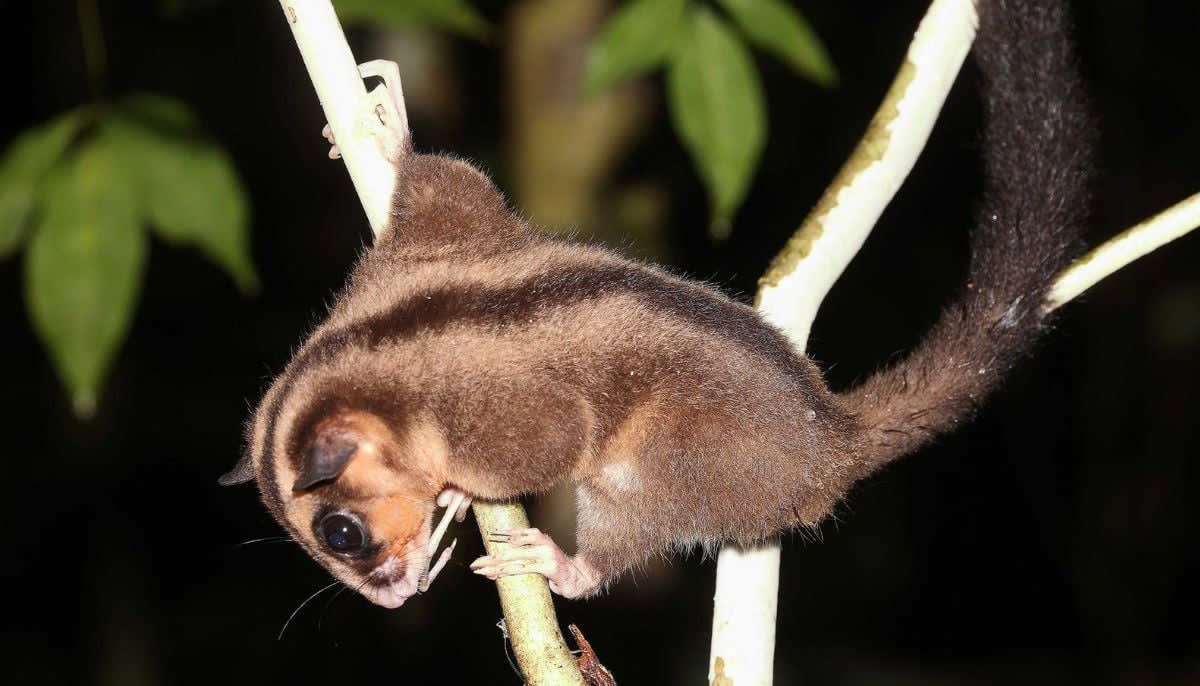
The long-fingered possum is a striped marsupial with an extraordinary feature: one finger on each hand stretches twice as long as the others. This oversized digit works like a specialized tool, letting the possum dig deep into wood to extract insect larvae hiding inside.
The ring-tailed glider makes its home in hollows of tall trees, using a long, flexible tail to grip branches as it moves through the canopy. Local communities from the Tambrauw and Maybrat clans consider this glider sacred, refusing to hunt it or even speak its name out of deep respect.
Indigenous elders from these clans played a crucial role in the discovery, sharing their knowledge with scientists to help identify both species. Their stewardship likely protected these animals through millennia when the rest of the world thought they had vanished.
Professor Tim Flannery, the renowned Australian scientist and author of "The Weather Makers," called the breakthrough exceptional. Finding one species thought extinct for thousands of years would be remarkable enough, he explained, but discovering two at once is truly extraordinary.
Why This Inspires
This discovery reminds us that collaboration between scientific researchers and Indigenous communities can unlock mysteries we thought were permanently closed. The Tambrauw and Maybrat people quietly protected these species for generations, maintaining both the forest habitat and cultural traditions that allowed these animals to survive.
It also offers hope that other supposedly extinct species might still be out there, waiting to be found in remote corners of our planet. Every rediscovery teaches us humility about what we think we know and resilience about nature's ability to persist against the odds.
The find proves that extinction isn't always forever and that listening to local wisdom can lead science to breakthrough moments.
Based on reporting by Google: scientific discovery
This story was written by BrightWire based on verified news reports.
Spread the positivity!
Share this good news with someone who needs it