Two Rhino Species Recover From Near-Extinction
Black rhinos and greater one-horned rhinos are bouncing back from catastrophic declines, proving that targeted conservation efforts can save species on the brink. Their recoveries offer hope for the world's three remaining threatened rhino species.
Two rhino species once nearly wiped off the planet are making remarkable comebacks, showing the world that even animals at the edge of extinction can recover.
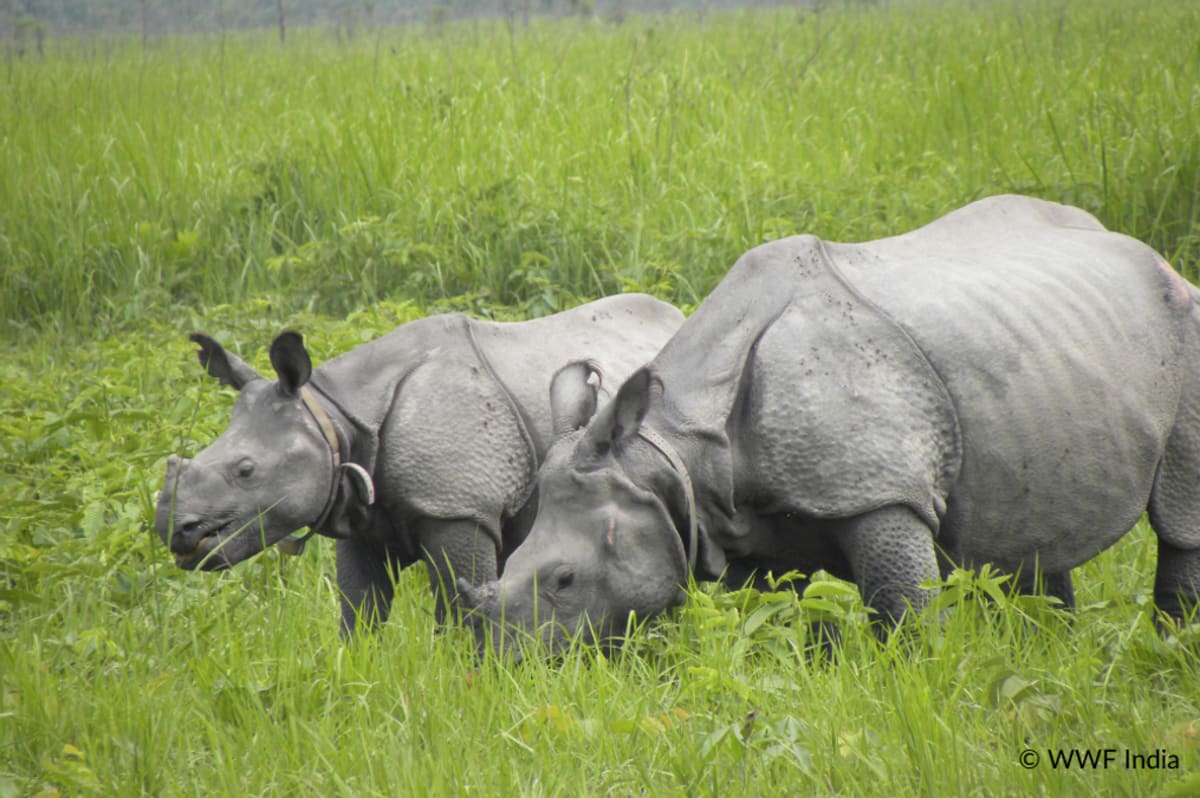
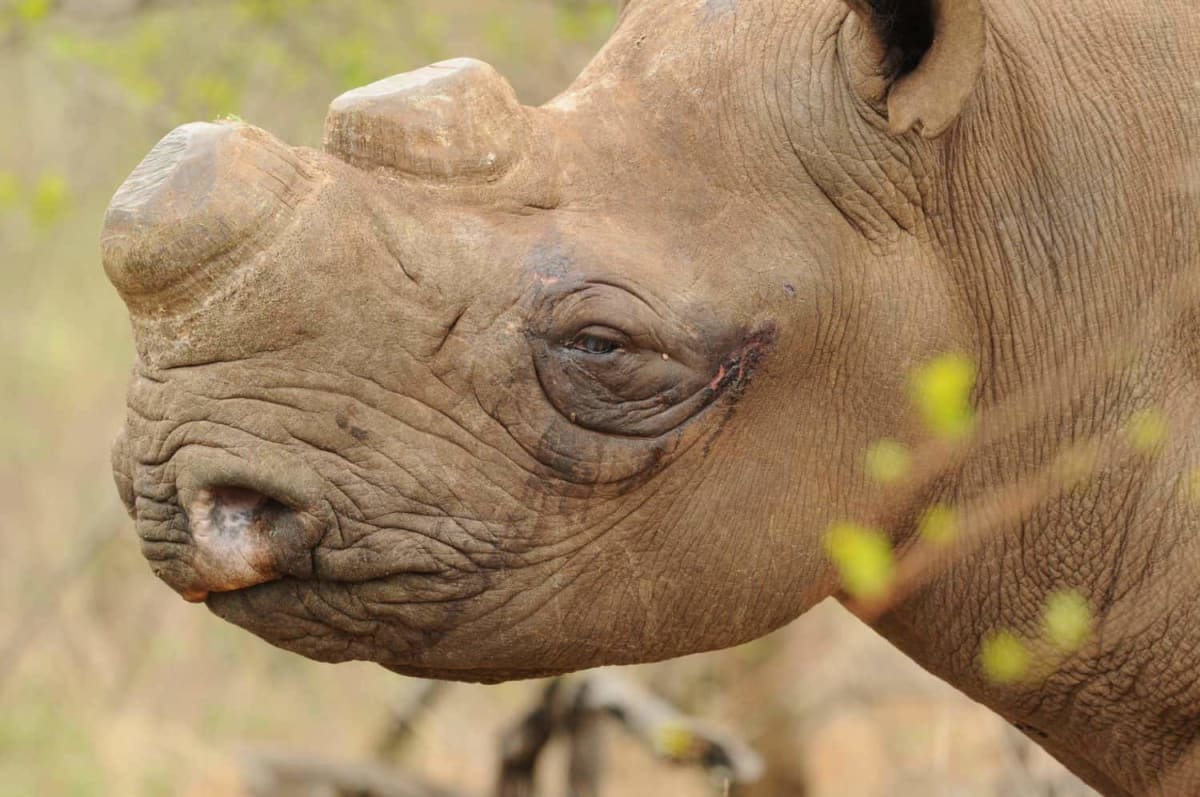
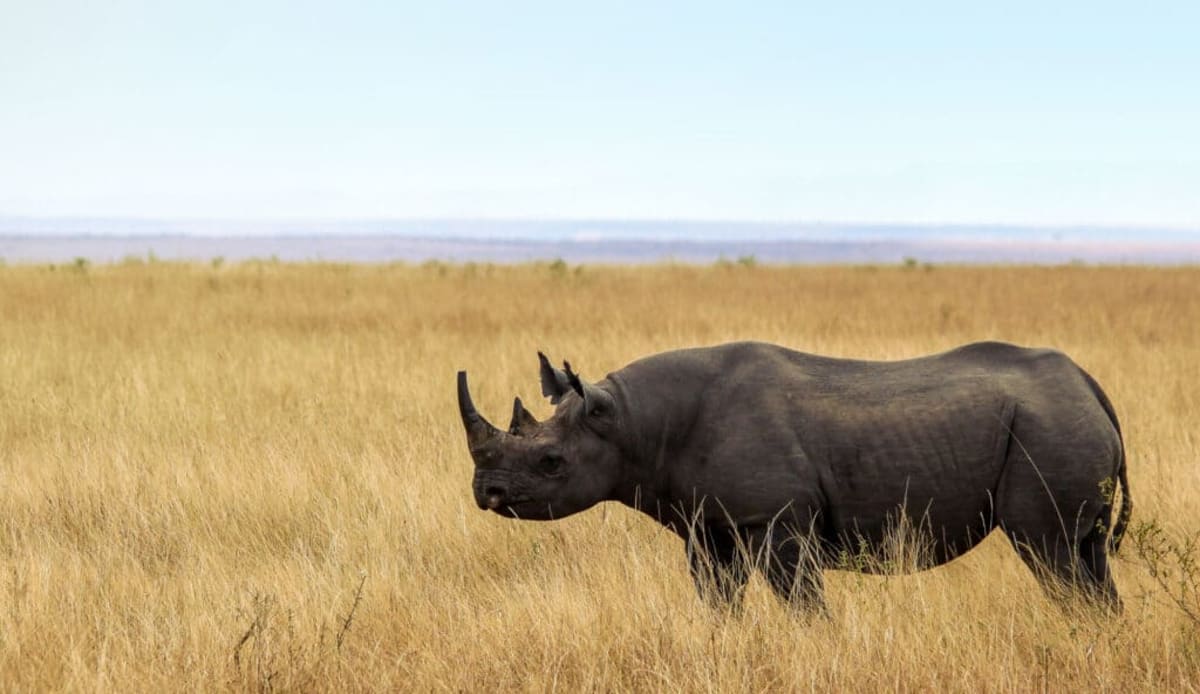
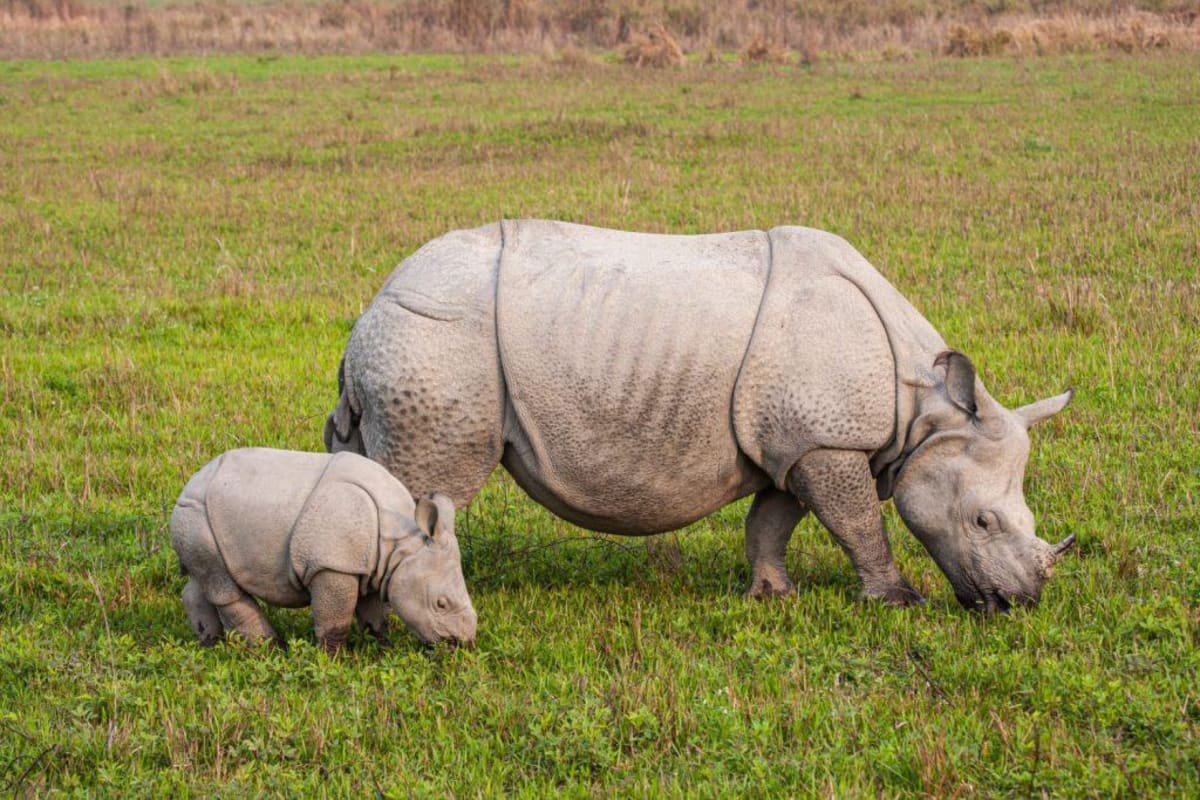
Black rhinos lost 96 percent of their population between 1970 and 1993, plummeting to dangerously low numbers. Greater one-horned rhinos faced similar devastation, dropping to fewer than 100 individuals in the early 20th century.
Today, both species are defying the odds. Black rhino populations have grown to 6,788 individuals, with numbers increasing by 5.2 percent since 2022. Greater one-horned rhinos now number around 4,075, a stunning turnaround from near total loss.
The secret to their survival isn't high-tech or complicated. Strict law enforcement stopped poachers in their tracks, while protected habitats gave rhinos safe spaces to breed. Strategic relocations spread populations across multiple locations, reducing the risk of losing entire groups to poaching or disease.
Community involvement proved equally crucial. Local people who once saw rhinos as targets now work as guardians, protecting the animals that bring tourism and pride to their regions.
A 2025 study revealed another powerful tool in the fight against poaching: removing rhino horns. The practice cuts poaching by a striking margin, reshaping how conservationists protect these animals. While it sounds drastic, dehorning doesn't hurt the rhinos and makes them worthless targets for criminal syndicates.
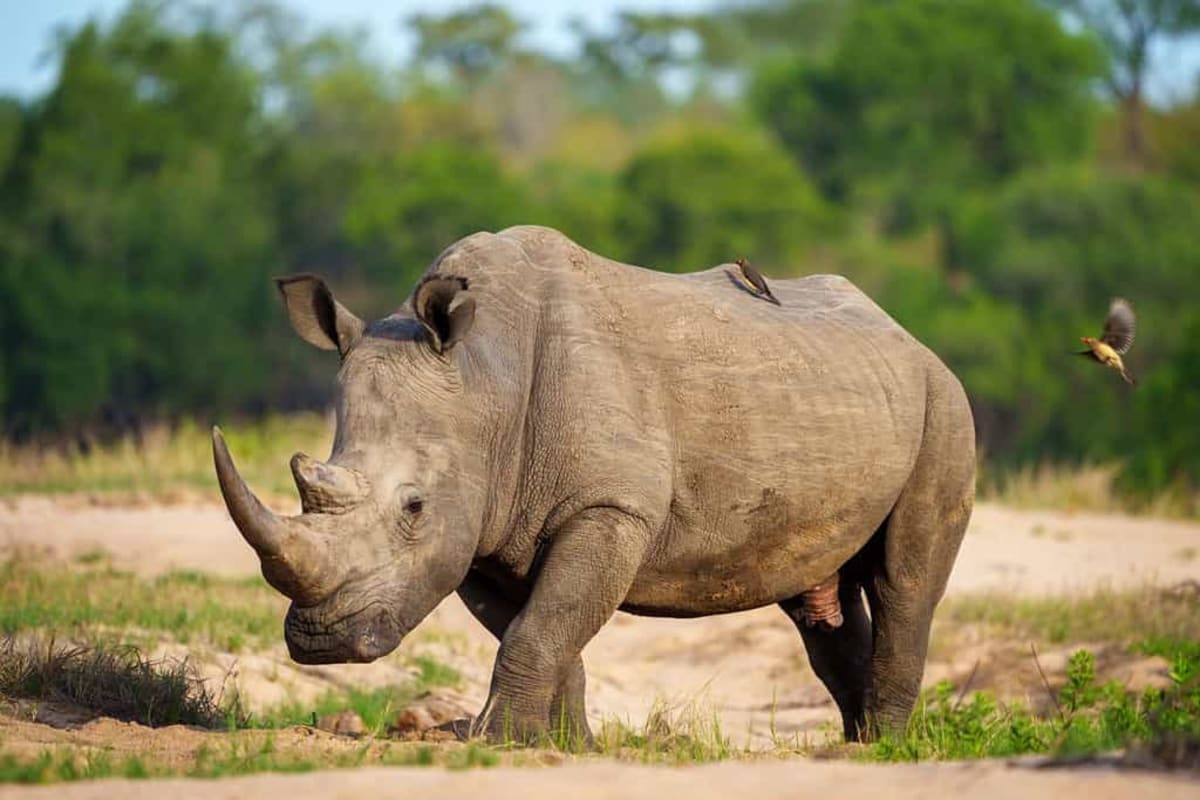
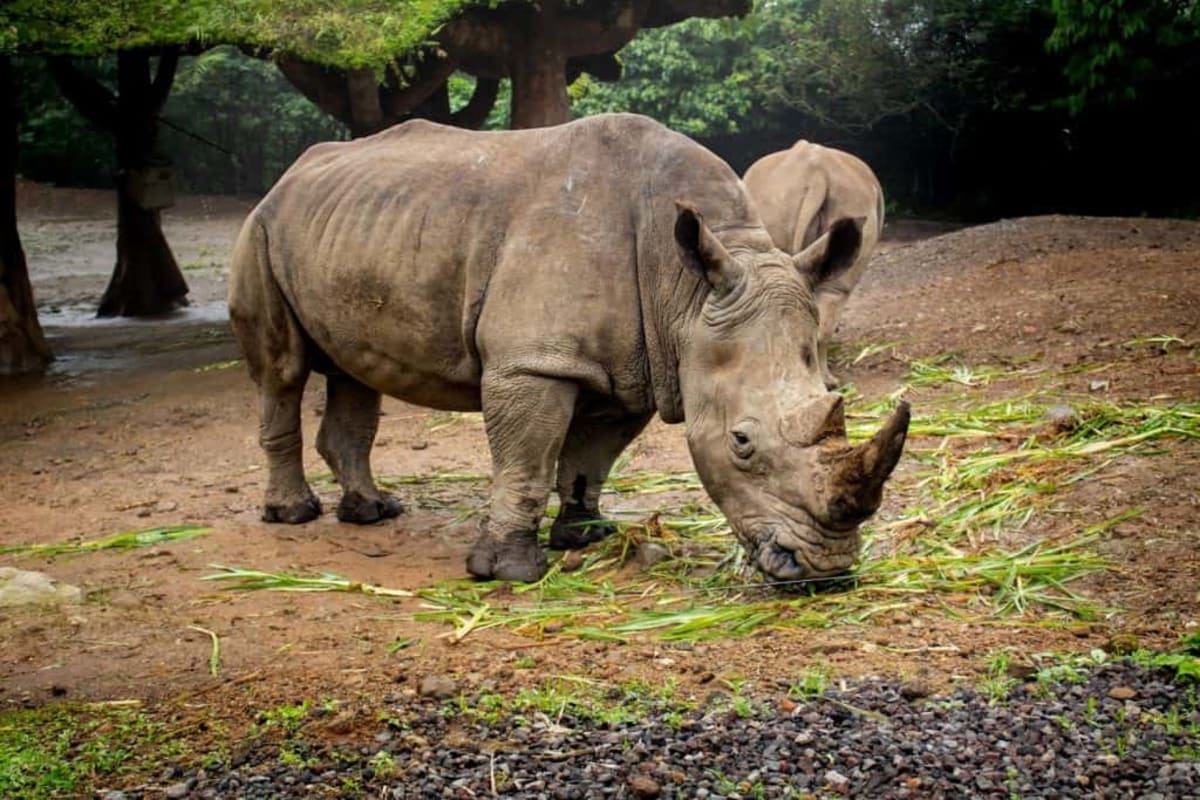
Not all rhino species share this success story. White rhinos dropped from 17,464 in 2023 to 15,752 in 2024. Javan rhinos number only around 50 individuals, down from 76 in 2022, with the entire species living in a single location. Sumatran rhinos teeter on the brink of extinction.
The Bright Side
The recovery of black and greater one-horned rhinos proves that even the most dire conservation situations can turn around with the right approach. These successes provide a roadmap for saving the three struggling species.
Rhinos act as ecosystem engineers, shaping their habitats through daily activities and supporting countless other species. When rhinos thrive, entire ecosystems benefit.
About 26,700 wild rhinos now roam the Earth, and two species show us that number can grow.
More Images
Based on reporting by Google: species saved endangered
This story was written by BrightWire based on verified news reports.
Spread the positivity!
Share this good news with someone who needs it