UAE-Israel Peace Thrives 6 Years After Abraham Accords
Six years after the historic Abraham Accords, relations between Israel and the UAE survived war, criticism, and political turmoil. The secret? Education that teaches tolerance instead of hatred.
When governments sign peace agreements, cameras flash and leaders shake hands. But the real test comes when crisis hits and public anger rises.
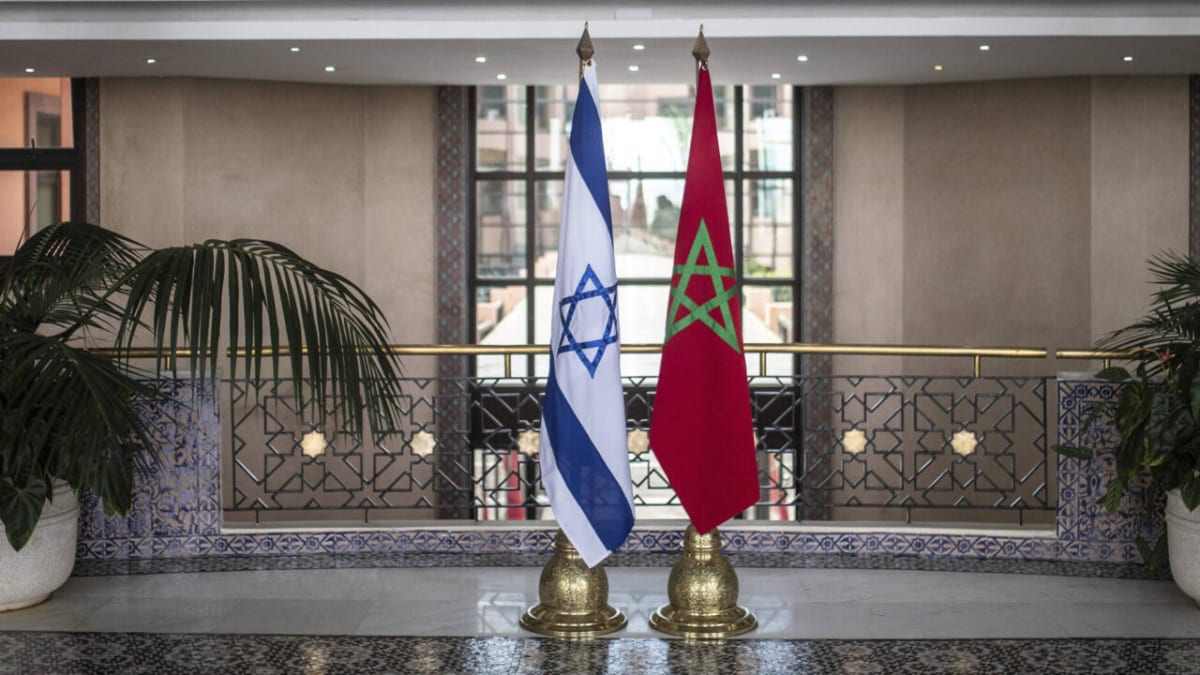
Six years ago this week, Israel and the United Arab Emirates shocked the world by establishing full diplomatic relations through the Abraham Accords. It was the first time in over 25 years that an Arab nation chose peace with Israel without waiting for the Palestinian conflict to resolve first.
Then October 7 happened. War erupted in Gaza. Regional tensions exploded. The UAE sharply criticized Israeli policies, and the warm glow of 2020 seemed ready to fade.
But something remarkable occurred. The embassies stayed open. Economic ties continued. Dialogue channels remained active. Even during intense disagreement, the relationship held.
The difference? What happens in classrooms.
Why This Inspires
Research from IMPACT-se, which studies education systems worldwide, found something striking in UAE schools. After signing the Accords, the Emirates didn't just change foreign policy. They integrated the agreement into learning materials and emphasized tolerance, coexistence, and acceptance of Judaism.
Abu Dhabi now features a magnificent synagogue in its Abrahamic Family House complex. Emirati children learn about religious diversity as a strength, not a threat. The next generation is being taught that peace is legitimate.
Compare that to decades of international efforts elsewhere that built institutions and transferred billions in aid while education systems continued teaching the next generation to view neighbors as enemies. Governments signed documents, but hatred was still passed down in classrooms.
You can pressure leaders to negotiate. You can establish embassies by government decree. But if children spend twelve years learning that their neighbors are illegitimate enemies, no amount of diplomatic ink creates lasting peace.
The UAE model proves something powerful. When a country genuinely wants peace to survive beyond one leader or one political moment, it must invest in cultural change. It must allow the next generation to see peace itself as normal and acceptable.
This doesn't eliminate all disagreements. Israel and the UAE still clash on policy issues. But educated tolerance creates a buffer that survives political storms.
The lesson from six years of the Abraham Accords isn't just about Middle East diplomacy. It's about understanding that real peace takes a generation to build. Leaders who plant seeds of coexistence in schools today harvest stability tomorrow.
Peace agreements tested by crisis and strengthened by education offer hope that even ancient conflicts can transform when we invest in changing hearts, not just policies.
More Images

Based on reporting by Google: peace agreement signed
This story was written by BrightWire based on verified news reports.
Spread the positivity!
Share this good news with someone who needs it