Uber's Driverless Robotaxis Clear Key California Testing Hurdle
Uber-backed Nuro just got the green light to test fully autonomous robotaxis on California roads without human drivers. It's a major milestone toward deploying 100,000 driverless vehicles across America.
The future of getting around just got closer, and it doesn't need a driver behind the wheel.
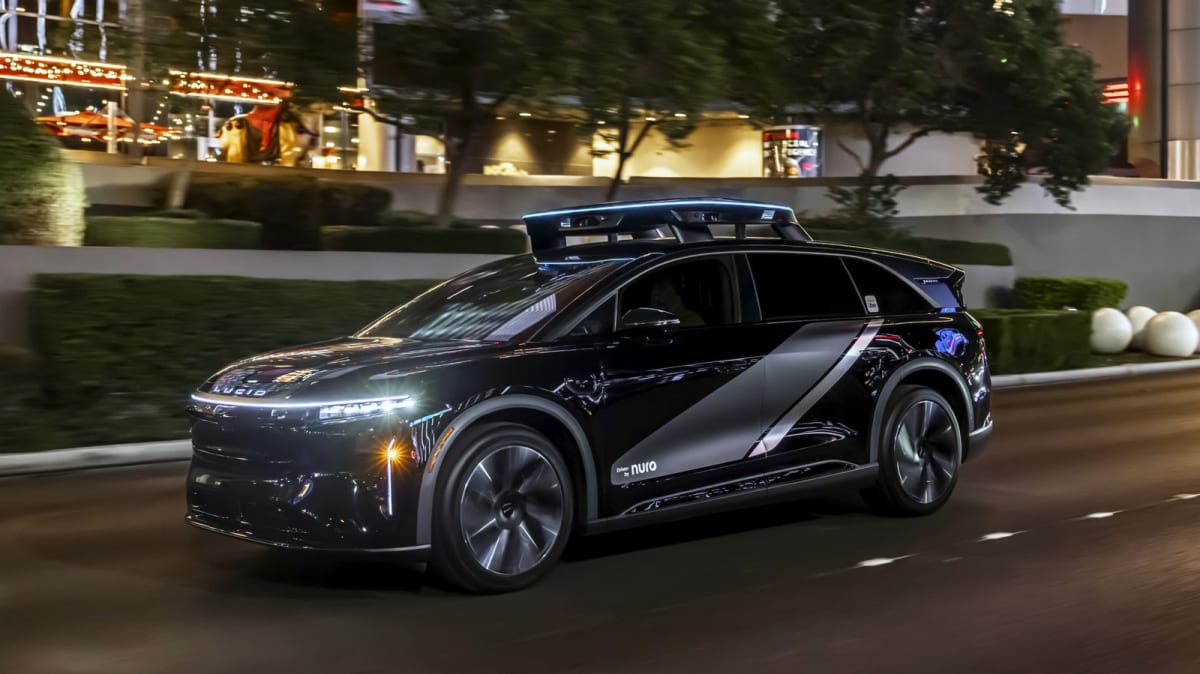
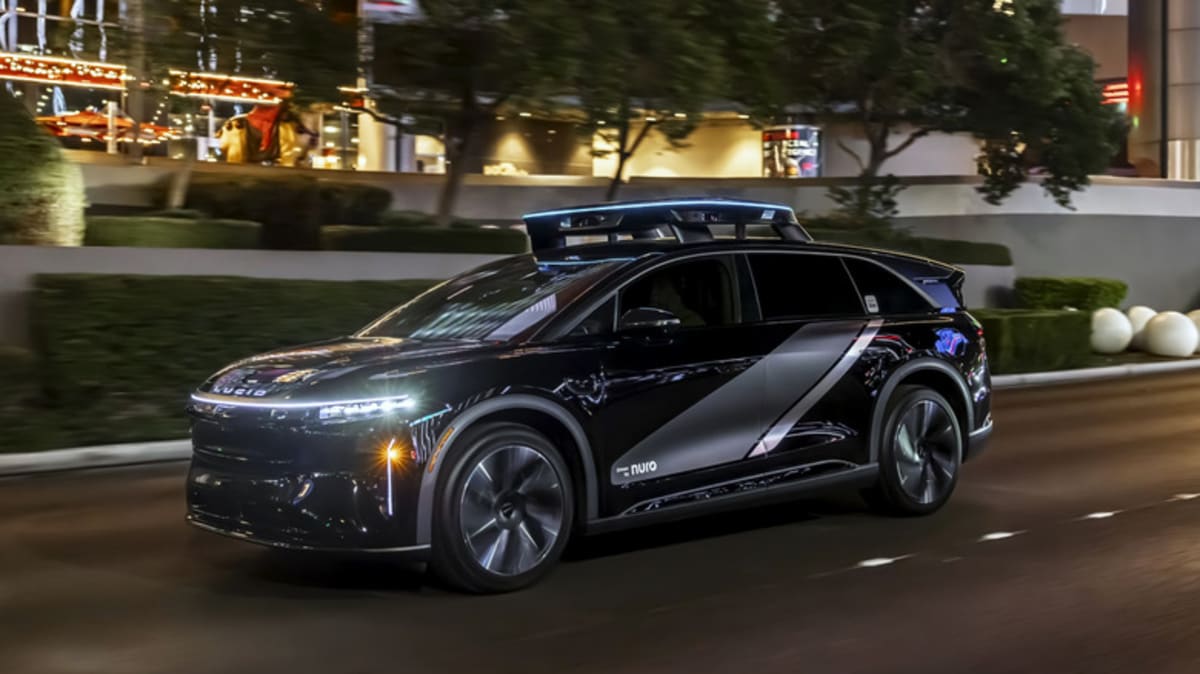
Nuro, a self-driving technology company backed by Uber, NVIDIA, and Toyota, received updated permits from California's DMV to test robotaxis without human operators on public roads. The sleek electric vehicles, based on the Lucid Gravity crossover, can now cruise through Santa Clara and San Mateo counties at speeds up to 45 mph, day or night.
This isn't science fiction anymore. The companies plan to launch their first fully autonomous rides later this year, part of an ambitious goal to put 100,000 driverless vehicles on American roads.
The robotaxis pack serious tech. High-resolution cameras, lidar sensors, and radar systems work together to navigate safely, while a roof-mounted LED display communicates with pedestrians and other drivers. Inside, passengers can relax in heated seats they control themselves.
Until now, the Lucid Gravity vehicles operated only with safety drivers aboard and gave rides exclusively to Uber employees. This new permit marks the first time the companies can test truly driverless operations with no human backup.
The momentum keeps building. Uber recently boosted its investment in Lucid to $500 million and increased its vehicle order from 20,000 to 35,000 robotaxis. Nuro has also started testing in Tokyo, showing global ambitions for the technology.
The Ripple Effect
This breakthrough could transform how millions of people get around. Autonomous vehicles promise safer roads by eliminating human error, which causes 94% of traffic accidents. They could also provide affordable transportation to people who can't drive due to age, disability, or economic barriers.
Cities might see less congestion and pollution as efficient electric robotaxis replace personal car ownership. Meanwhile, the technology creates new jobs in engineering, vehicle maintenance, and fleet management.
Before riders can hail these driverless vehicles through their Uber app, Nuro needs additional permits for commercial ride-hailing services. But clearing this testing hurdle brings that reality significantly closer.
The road to a driverless future just got a whole lot shorter.
More Images


Based on reporting by Engadget
This story was written by BrightWire based on verified news reports.
Spread the positivity!
Share this good news with someone who needs it