UC Leads 40 AI Projects in DOE's Genesis Mission
The University of California is spearheading 15% of a groundbreaking federal initiative using artificial intelligence to solve America's biggest energy and scientific challenges. Scientists across seven UC campuses and three national labs just received funding to accelerate breakthroughs in fusion energy, chip design, and clean power.
The future of scientific discovery just got a major upgrade, and the University of California is leading the charge.
The U.S. Department of Energy announced its Genesis Mission awards this week, funding 278 projects nationwide that will use artificial intelligence to tackle urgent challenges in energy, science, and national security. UC researchers are leading 40 of those projects, representing 15% of all awards despite thousands of universities competing for funding.
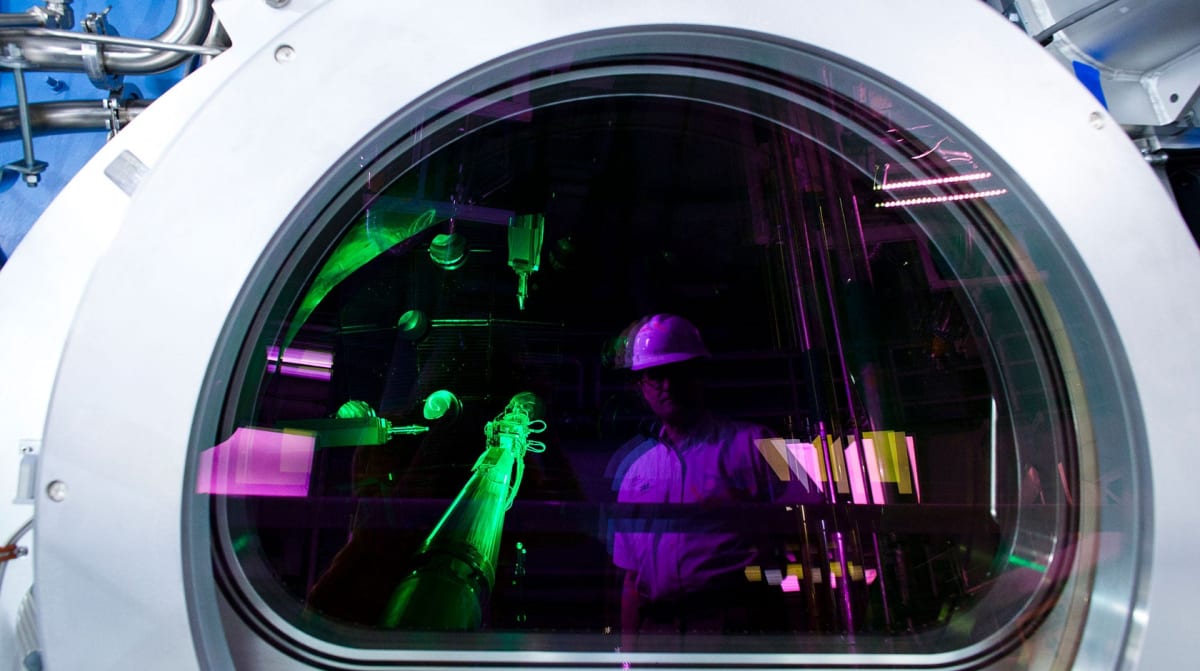
Scientists at seven UC campuses and three UC-affiliated national laboratories will now access cutting-edge AI tools and supercomputers to speed up research that once took years. Their projects span critical areas including nuclear energy development, extracting minerals needed for batteries and electronics, advancing computer chip design, and making commercial fusion energy a reality.
The Genesis Mission works by giving researchers AI agent frameworks and advanced software from industry partners, combined with powerful computing resources at national laboratories. This means scientists can design experiments, test theories, and refine approaches in weeks instead of months or years.
UC brought serious credentials to win this funding. The university already runs three national laboratories recognized as premier DOE partners: Lawrence Berkeley, Lawrence Livermore, and Los Alamos. These facilities have decades of breakthrough achievements in AI, supercomputing, quantum systems, and nuclear energy.
The timing aligns perfectly with UC's own ambitious initiatives. The university recently launched its Artificial Intelligence Science at Scale program, funding research teams working on genomics, quantum materials, and geothermal energy. In June, UC hosted its first AI Science at Scale Summit in Santa Fe, bringing together top minds to share innovations.
The Ripple Effect
This partnership extends far beyond laboratory walls. Breakthroughs in fusion energy could provide unlimited clean power for homes and cities. Advances in critical mineral extraction mean more efficient production of batteries, solar panels, and the technology powering modern life. Better chip design accelerates everything from medical devices to smartphones.
The Genesis Mission also strengthens America's position in the global AI race while addressing climate change and energy independence simultaneously. When scientists can iterate faster, solutions arrive sooner for challenges affecting millions of people.
UC's leadership means California remains at the forefront of scientific innovation, attracting top talent and creating high-skilled jobs. The three national labs alone employ thousands of researchers whose work now has turbocharged potential.
Every project funded through Genesis contributes to what Theresa Maldonado, UC's Vice President for Research and Innovation, calls benefits "for every American." From keeping lights on during heat waves to developing cancer treatments to securing national defense systems, AI-accelerated science touches everyone.
The 40 UC-led projects represent just the first round of Genesis Mission funding, with more awards expected as the initiative expands.
Based on reporting by Google: scientific discovery
This story was written by BrightWire based on verified news reports.
Spread the positivity!
Share this good news with someone who needs it