UC Riverside Gel Heals Diabetic Wounds in 23 Days
A tiny, battery-powered gel delivers oxygen directly into chronic wounds, healing injuries in diabetic mice that would have otherwise proven fatal. The breakthrough could prevent millions of amputations and someday help grow replacement organs.
Scientists at UC Riverside have created a gel that could save limbs and transform lives for millions struggling with wounds that won't heal.
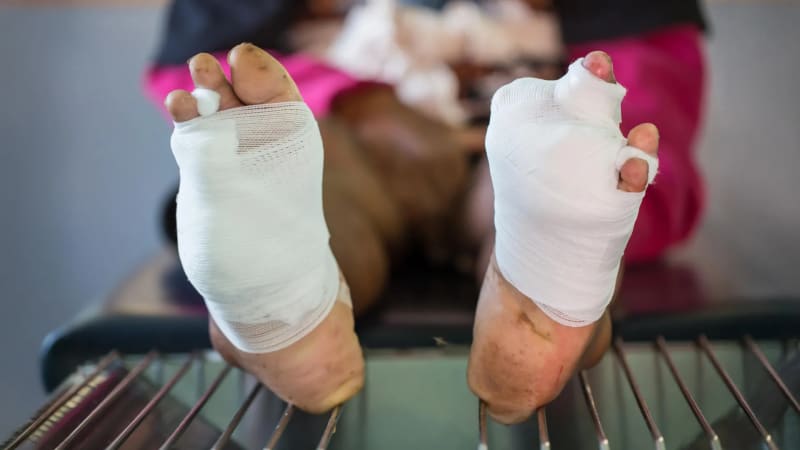
Chronic wounds affect 12 million people worldwide each year, including 4.5 million Americans. About one in five patients eventually loses a limb. These wounds stay open for months because oxygen can't reach the deepest layers of damaged tissue, trapping injuries in a cycle of inflammation and infection instead of healing.
The new gel solves this problem by acting like a tiny oxygen factory right inside the wound. Made from water and a choline-based liquid, it connects to a small battery similar to those in hearing aids. The battery splits water molecules and steadily releases oxygen for up to a month.
What makes this different from existing treatments is how it works. The gel stays soft before hardening, filling every gap and uneven area where oxygen levels drop lowest. It delivers oxygen continuously to the deepest tissue layers, not just the surface.
Associate Professor Iman Noshadi, who led the research team, explained the stakes. Wounds need stable oxygen through four healing stages: inflammation, blood vessel formation, tissue remodeling, and regeneration. Without it, they stay stuck.
The results in animal testing were dramatic. Diabetic and older mice with wounds that would normally prove fatal healed completely in about 23 days when treated with weekly gel replacements. Untreated animals didn't survive.
The choline ingredient offers a bonus benefit beyond oxygen delivery. It helps calm the overactive immune response that keeps chronic wounds inflamed, creating better conditions for tissue to repair itself.
Why This Inspires
This innovation tackles a problem that touches millions but often stays hidden. People living with diabetes face constant worry about small cuts becoming life-threatening emergencies. A scraped ankle can mean months of doctor visits, infections, and the terrifying possibility of amputation.
The gel represents something bigger than wound care. Doctoral candidate Prince David Okoro noted that existing bandages absorb fluid or release antimicrobial agents, but none address hypoxia, the fundamental problem. This team went straight to the root cause.
The technology could extend far beyond treating injuries. Noshadi's lab sees it as a bridge to growing replacement organs. When lab-grown tissues get too thick, cells in the center die from oxygen starvation. This gel could keep them alive, bringing the dream of bioengineered organs closer to reality.
Co-author Baishali Kanjilal acknowledged the bigger picture. Sedentary lifestyles and rising diabetes rates create problems no single device can fix alone. But this innovation offers something powerful: a chance to reduce amputations, improve quality of life, and give bodies what they need to heal themselves.
For the millions facing chronic wounds, this small gel powered by a tiny battery could mean the difference between losing a limb and walking into a hopeful future.
Based on reporting by Health Daily
This story was written by BrightWire based on verified news reports.
Spread the positivity!
Share this good news with someone who needs it