UC San Diego's Pregnancy Patch Saves Baby at 29 Weeks
A new wearable ultrasound patch continuously monitors fetal health for hours without trained operators. During testing, it detected an abnormality that led to a life-saving early delivery.
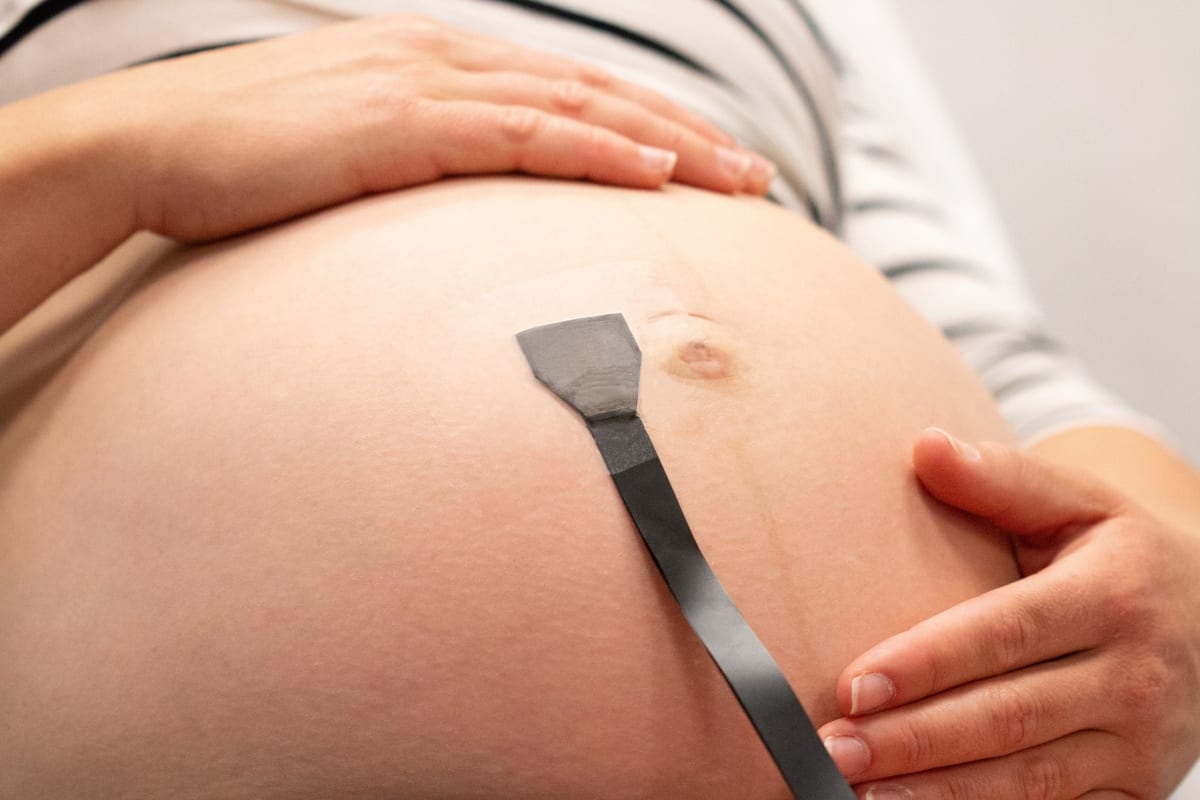
A soft, wearable patch that monitors babies in the womb just helped save a life during its first clinical trial.
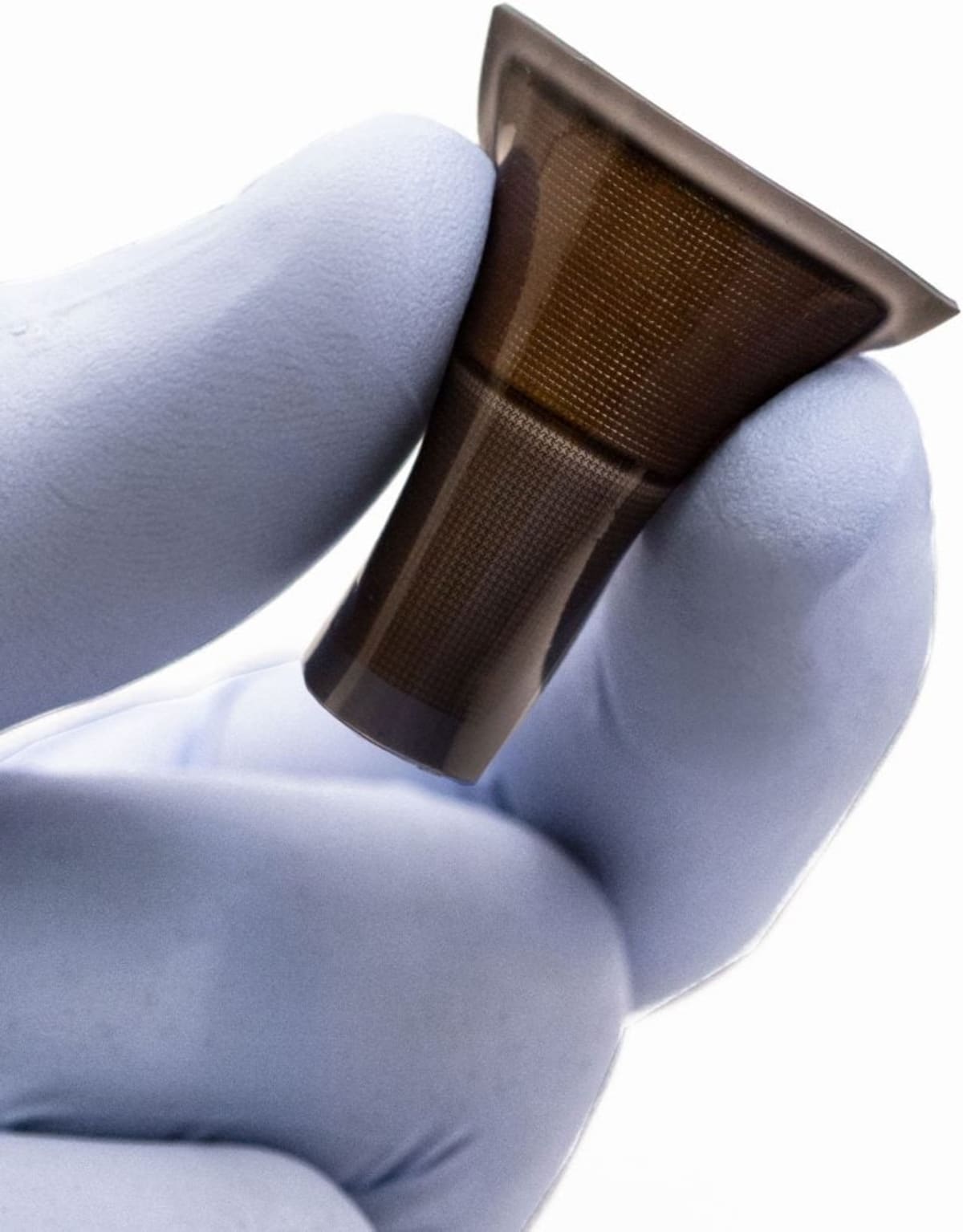
Engineers at the University of California, San Diego created an ultrasound patch that sticks to a pregnant person's belly and tracks fetal health continuously for hours. Unlike traditional ultrasounds that offer only brief snapshots, this device keeps watch in real time without needing a trained technician to hold a probe in place.
The breakthrough came during clinical testing across 62 pregnancies at UC San Diego Health and Oxford's John Radcliffe Hospital. One mother wore the patch during a routine monitoring session when the device detected prolonged abnormal signals from her baby. Doctors performed an emergency Cesarean delivery at 29 weeks, and researchers believe the early intervention may have saved the child's life.
"With continuous monitoring, we were able to observe dynamic fluctuations in blood flow that would likely be missed with conventional ultrasound exams," said researcher Hao Huang. Traditional prenatal ultrasounds might only catch a problem if it happens during the brief appointment window.
The patch solves a major challenge in pregnancy monitoring: babies and umbilical cords never stop moving. The research team, led by chemical and nanoengineering professor Sheng Xu, built autonomous tracking algorithms into the system that automatically locate and follow the umbilical cord as it shifts position. The soft, bendable material stays comfortable even as mothers move through their daily activities.
The clinical trial included both healthy pregnancies and high-risk cases involving gestational diabetes, preeclampsia, high blood pressure, and abnormal fetal growth. The patch matched the accuracy of standard handheld ultrasound equipment across all cases.
The Ripple Effect
This technology could transform prenatal care far beyond research hospitals. In low-resource regions where ultrasound specialists are scarce, the patch could provide continuous monitoring without requiring years of specialized training. Mothers in rural areas or developing nations might access the same level of fetal surveillance currently available only in major medical centers.
The device also addresses a critical gap in detecting pregnancy complications like preeclampsia, which can develop rapidly between scheduled appointments. "To comprehensively monitor mothers and babies over the amount of time needed to catch complications, you need a system that can work continuously and largely on its own," said researcher Yizhou Bian.
The team is now working to integrate the patch into a compact electronic platform that would operate completely wirelessly. The research builds on over a decade of wearable ultrasound development in Xu's lab, which has previously created similar patches for heart monitoring and blood pressure tracking.
The future of prenatal care might be as simple as wearing a patch that watches over two heartbeats at once.
More Images
Based on reporting by Google News - Health Breakthrough
This story was written by BrightWire based on verified news reports.
Spread the positivity!
Share this good news with someone who needs it


