Zimbabwe Telehealth Brings Doctors to 28,000 Rural Patients
A network of 28 video clinics across rural Zimbabwe is closing the healthcare gap for thousands who once walked hours to see a doctor. The program has completed over 28,000 consultations since 2024, diagnosing conditions like diabetes and hypertension for just $2 to $10 per visit.
Anymore Kadzunge couldn't work her farm or cook meals for her family after three months of chest pains and dizziness became unbearable. The 38-year-old walked 14 kilometers from her village to a small telehealth center in Nyazura, Zimbabwe, where a nurse tested her blood pressure and connected her with a doctor through a video call.
Within days of starting treatment for hypertension, Kadzunge felt better. More importantly, she avoided a 70-kilometer journey to the nearest city hospital.
Her story is becoming common across rural Zimbabwe, where economic hardship has left public hospitals struggling with medicine and staff shortages. The country has just 1.7 doctors for every 10,000 people, well below Africa's average of 2.6.
Since May 2024, ZimSmart Villages has partnered with state-owned companies to open 28 telehealth centers across seven provinces. Registered nurses check vital signs like blood pressure, blood sugar, and temperature, then connect patients with doctors through video consultations.
The centers operate inside existing post offices, charging $2 to $10 per consultation compared to $15 to $20 at private clinics. For families who might otherwise transport sick relatives using ox-drawn carts, the difference is life-changing.
Proud Chimene discovered she had diabetes after experiencing unexplained weight loss and extreme thirst. At the Nyazura center, a nurse tested her blood glucose, a doctor diagnosed her via video, and she received treatment the same day.
"If it was not for this nearby telehealth center providing access to a doctor at affordable fees, I would probably not have sought treatment at all," Chimene said.
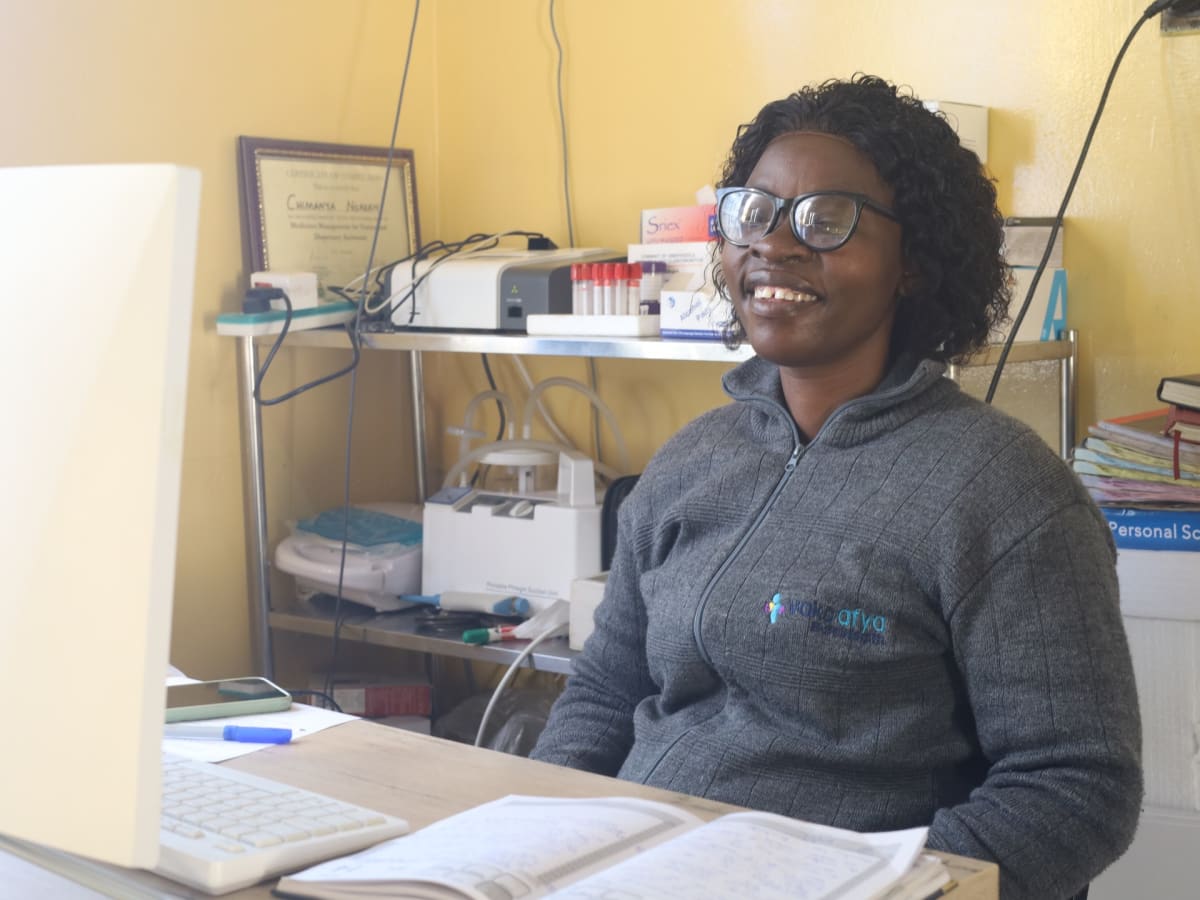
Nurse Noreen Chimanya spent months traveling to surrounding villages explaining how virtual consultations work. Building trust took time in a community where people expected physical examinations.
"They like it here because there are no queues," Chimanya said. "At public health facilities, people spend hours waiting to be seen."
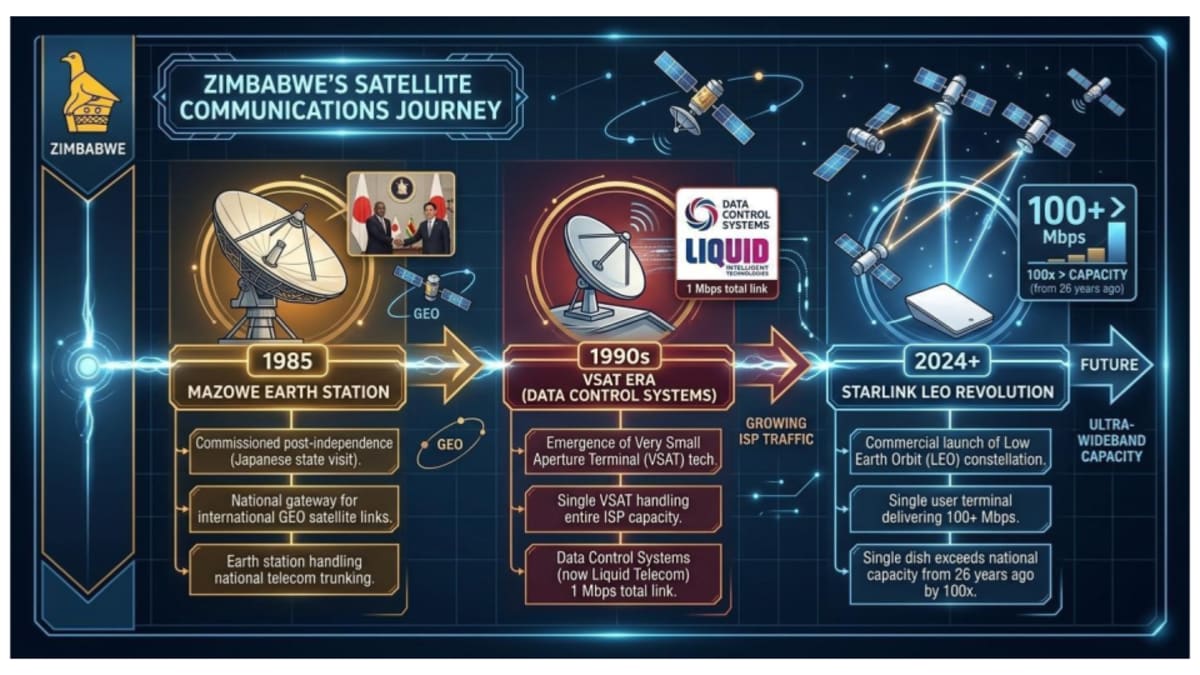
The centers use satellite internet and backup batteries to keep running during frequent power cuts. By 2026, they had completed more than 28,000 virtual consultations and 25,000 diagnostic tests.
The Ripple Effect
The program is creating a new healthcare model for rural Africa. By embedding digital clinics in existing infrastructure, ZimSmart Villages is proving that technology can reach communities that traditional healthcare systems have left behind.
Chief Operations Officer Tawanda Njerere said the goal is simple: detect illnesses earlier by bringing screening services to people's doorsteps. Early detection means better outcomes and lower costs for families already stretched thin.
For Kadzunge, the difference is measured in everyday moments she thought she'd lost. She's back in her fields, preparing meals, living the life that three months of illness nearly took away.
Based on reporting by Al Jazeera English
This story was written by BrightWire based on verified news reports.
Spread the positivity!
Share this good news with someone who needs it