Zimbabwe's Starlink Upgrade Promises Lightning-Fast Internet
Zimbabwe is building ground stations that will connect Starlink satellites directly to local fiber networks, potentially delivering internet speeds 100 times faster than the entire country had in 1999. The upgrade could drop delays to under 20 milliseconds and keep local web traffic inside the country.
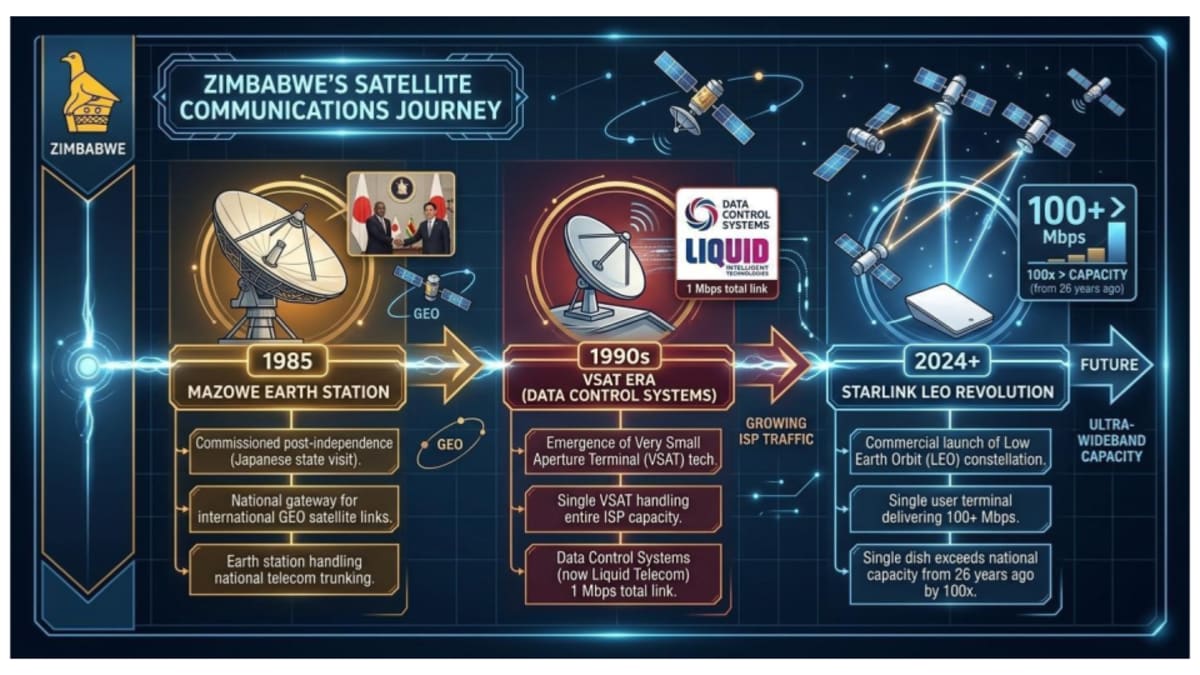
A small satellite dish in Zimbabwe today can deliver more internet speed than the entire nation had access to just 27 years ago.
That remarkable shift is about to get even better. Zimbabwe is planning a major upgrade to its Starlink satellite internet system by building local ground stations and a central hub in Harare. The move will connect space-based internet directly to the country's growing fiber optic network.
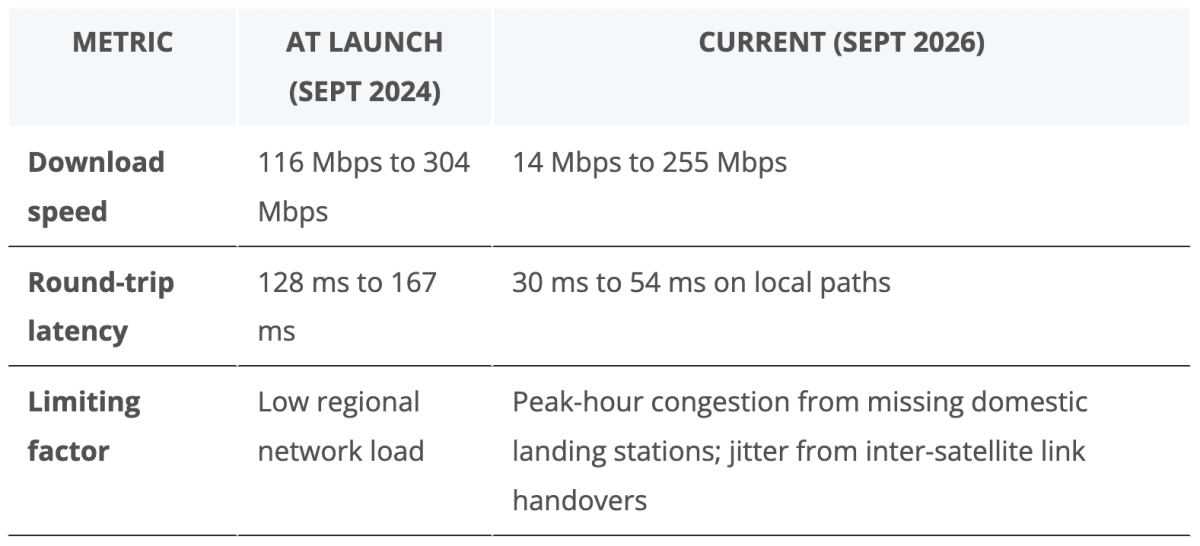
Starlink launched commercial service in Zimbabwe in September 2024. Early users enjoyed blazing speeds because few people were online, but as more subscribers joined, the system slowed during busy hours. The new ground stations will fix those bottlenecks by routing internet traffic through local fiber instead of bouncing it between satellites across long distances.
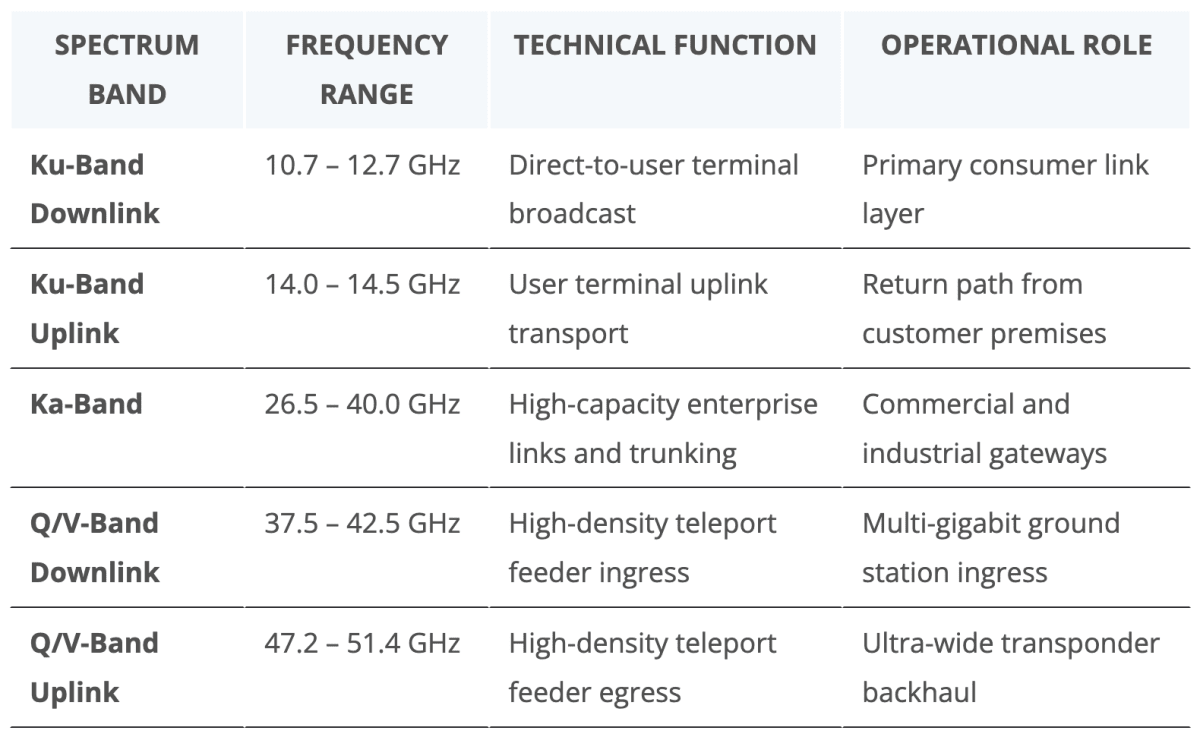
The technical setup uses special Q/V band frequencies that can handle over 100 gigabits per second at each ground station cluster. Next-generation Starlink satellites can process more than 1 terabit of data per second, and the local stations will let them dump that data straight into Zimbabwe's fiber networks.
Zimbabwe has been building serious fiber infrastructure. Liquid Intelligent Technologies operates over 26,000 kilometers of fiber across the country. PowerTel and Paratus Zimbabwe recently activated an 800-gigabit link between major cities. TelOne is expanding connections to neighboring countries, and a 1,500-kilometer railway fiber network connects key border crossings.
The Harare hub will also host local storage for popular websites and streaming services. When someone in Harare watches a Netflix show, the data could come from a server right in the city instead of traveling to another continent and back. That simple change could handle 70 percent of common internet requests locally, freeing up satellite capacity for other uses.
The system will connect to the Zimbabwe Internet Exchange, meaning when someone in Bulawayo emails someone in Mutare, that message will stay entirely inside the country. Right now, some domestic traffic takes a detour through international cables simply because of how networks connect.
The Ripple Effect
Brazil offers a glimpse of what's possible. The country authorized over 100 Starlink ground stations and now serves more than 2 million subscribers with consistent speeds and low delays. Zimbabwe's plan follows a similar model but tailored to local fiber networks that have grown dramatically in recent years.
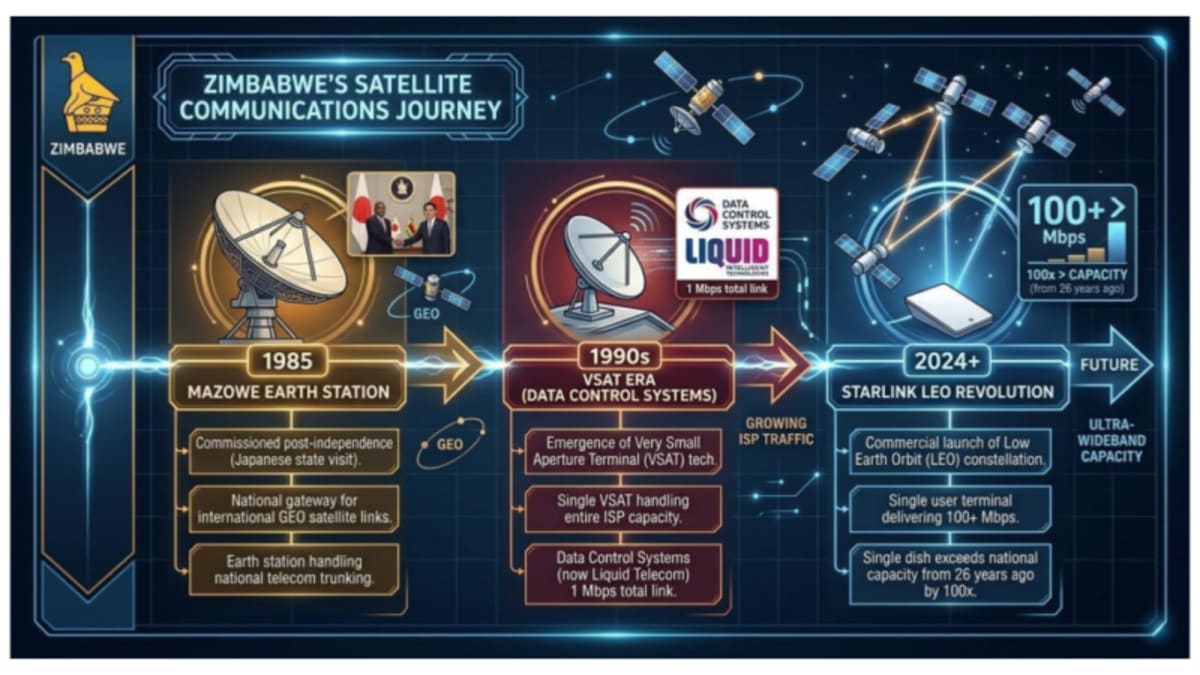
The transformation is striking when you consider where Zimbabwe started. The Mazowe Earth Station opened in 1985 as the country's only link to international telecommunications. Early commercial internet relied on a single terminal delivering just 1 megabit per second for an entire company.
Today, a single user can consume more bandwidth than that while video calling family overseas. Tomorrow, with local ground stations and fiber integration, that same user might enjoy internet delays under 20 milliseconds, faster than some wired connections in developed countries.
Fast, reliable internet is becoming infrastructure as essential as roads or electricity, connecting rural schools to online learning, farmers to market prices, and small businesses to global customers.
More Images

Based on reporting by CleanTechnica
This story was written by BrightWire based on verified news reports.
Spread the positivity!
Share this good news with someone who needs it