UCF Researchers Build Tools to Find Habitable Planets
Scientists at the University of Central Florida are developing breakthrough technology that could help astronomers finally spot Earth-like planets capable of supporting life. The new system solves a major problem that has kept potentially habitable worlds hidden from view.
📺 Watch the full story above
Finding planets that could harbor life just got a whole lot easier, thanks to a team of researchers who are building tools to see what was once invisible.
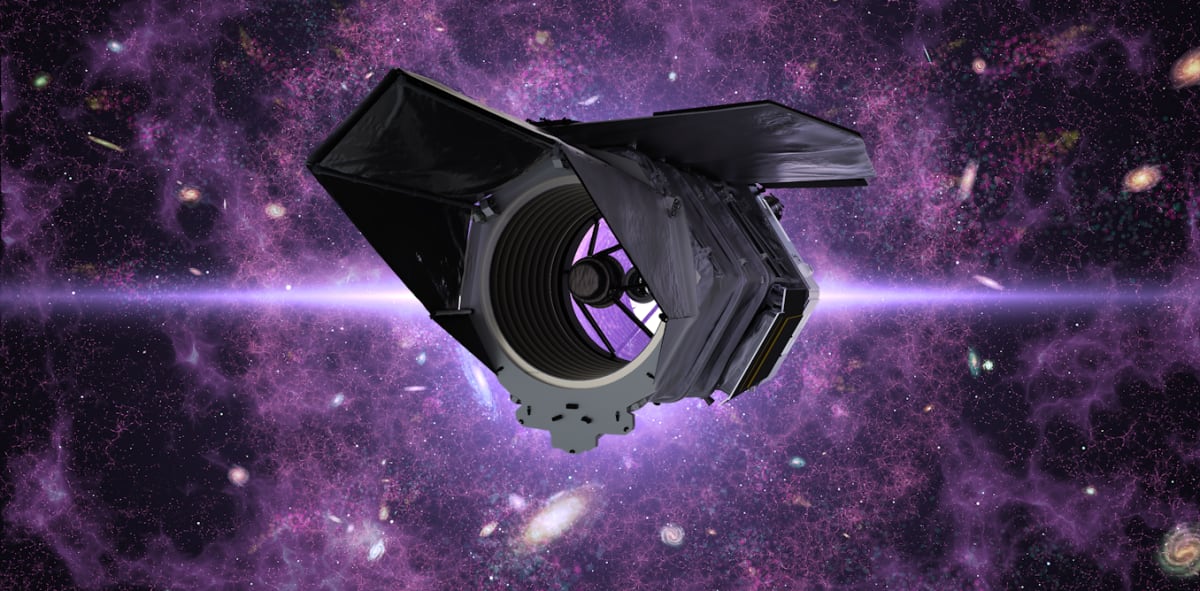
Scientists at the University of Central Florida's Center for Research and Education in Optics and Lasers are developing technology that will help NASA's future Habitable Worlds Observatory detect rocky planets in the habitable zones around distant stars. Set to launch in the 2040s, this telescope will be the first specifically designed to hunt for worlds where life could exist.
The challenge astronomers face is massive. A star can be 10 billion times brighter than a planet orbiting in its habitable zone, making it nearly impossible to spot the planet's faint reflected light. Even with special instruments called coronagraphs that block starlight, tiny imperfections in telescope optics let enough light leak through to overwhelm the signal from any nearby planet.
Professor Stephen Eikenberry leads the three-year NASA-funded project called PEEPSS (Photonics-Enabled Exoplanet Spectroscopic System). His team collaborates with researchers from UC Santa Cruz, the University of Sydney, and the Space Telescope Science Institute to solve this problem using an innovative approach.
The technology uses devices called photonic lanterns that separate incoming light into individual channels. This allows scientists to capture information about light waves that conventional imaging systems throw away. With this extra data, they can filter out remaining starlight with unprecedented precision.
What makes PEEPSS special is where it measures light distortions. The system works at the telescope's focal plane, exactly where scientific imaging happens. This lets researchers detect and fix optical errors that occur after light passes through the coronagraph, errors that current systems can't even see.
Why This Inspires
Some versions of the technology have already been tested on telescopes in Hawaii, showing real promise for future missions. The work brings scientists closer to answering one of humanity's biggest questions: are we alone in the universe?
If the technology succeeds, astronomers will move beyond finding "potentially habitable" worlds to actually studying their atmospheres and searching for signs of life. Eikenberry puts it simply: "If we discover actual evidence of life, then we're talking about one of the greatest scientific discoveries in human history. We are one mission away."
The tools being built today in Florida could be the key that unlocks tomorrow's greatest discovery.
Based on reporting by Google News - Researchers Find
This story was written by BrightWire based on verified news reports.
Spread the positivity!
Share this good news with someone who needs it