UCF Scientist's 'Smart Bubbles' Target Cancer and Hearts
A researcher at the University of Central Florida has created microscopic bubbles that deliver medicine exactly where it's needed, potentially treating deadly breast cancer while protecting the heart from damage. The technology is now headed toward clinical trials after attracting backing from a healthcare entrepreneur.
Imagine medicine delivered so precisely that cancer cells get destroyed while your heart stays protected, all with fewer side effects than traditional chemotherapy.
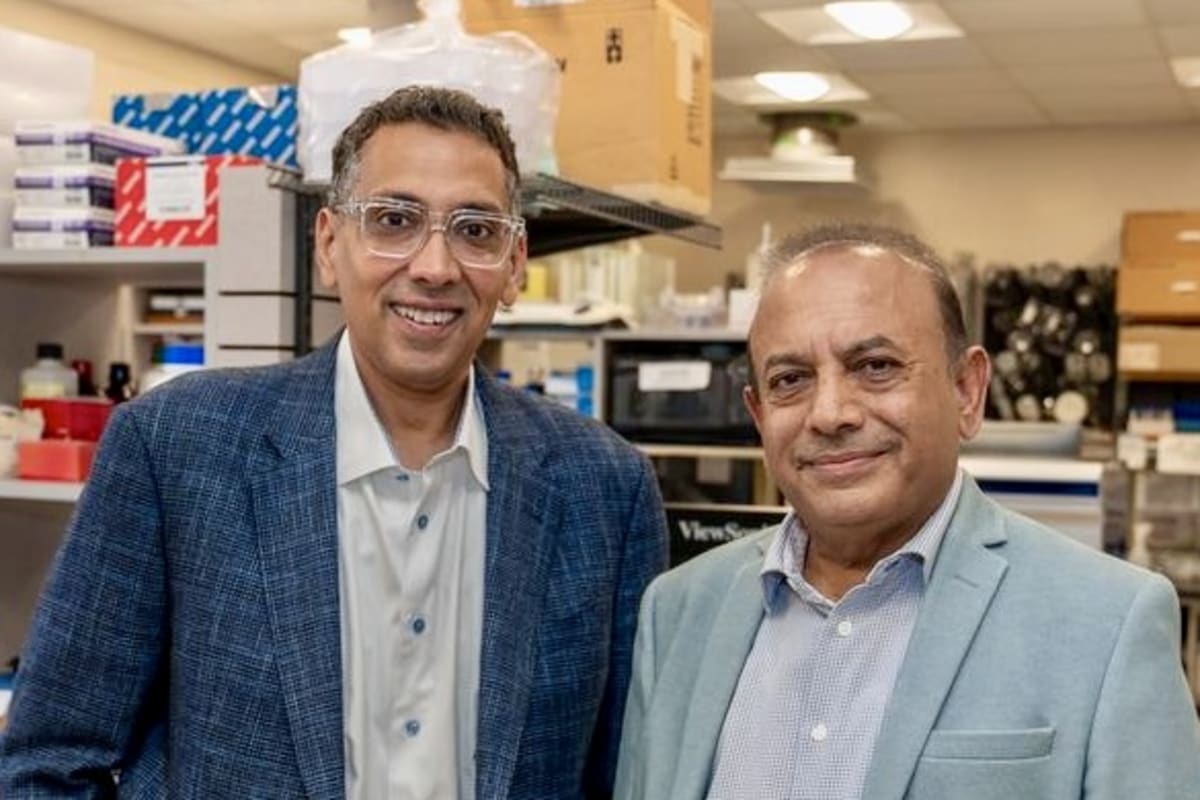
That's the promise of a breakthrough technology created by Dr. Dinender Singla at the University of Central Florida. He's developed what he calls "smart tiny bubbles" that could change how we treat both cancer and heart disease.
Singla's innovation uses exosomes, tiny vesicles that cells naturally use to communicate with each other. These microscopic bubbles are 500 times thinner than a human hair. He's transformed them into delivery vehicles that can carry medicine straight to damaged areas of the body.
The technology works by placing drugs inside these exosomes and coating them with cell-specific markers. Think of it like adding a GPS address to each bubble, directing it exactly where it needs to go in the body.
Singla initially focused on preventing heart damage caused by cancer treatments. Chemotherapy and radiation often harm the heart while fighting cancer, leaving patients trading one health problem for another. His exosome therapy can deliver anti-inflammatory treatments directly to damaged heart tissue.
But the research team discovered something even more exciting. The same technology could deliver cancer-killing drugs directly to tumors. They tested it on triple-negative breast cancer, the deadliest form of the disease with only a 77% five-year survival rate.
In laboratory tests, the therapy killed cancer cells at much lower doses than traditional chemotherapy while simultaneously protecting heart tissue. "These therapies can work hand in hand," Singla explained. "They can treat cancer and protect the heart."
The Ripple Effect
Healthcare entrepreneur Chakri Toleti, who lost his father to cancer, saw the potential to reduce suffering on a massive scale. Through his innovation fund TCapital, he licensed the technology and partnered with Singla to form Exomic, a company dedicated to bringing the treatment through clinical trials.
The partnership means this isn't just laboratory hope. They're now manufacturing the therapy for clinical use and preparing for FDA trials. The technology could help millions who currently take multiple high-dose medications with no certainty the drugs are reaching the right places.
Singla has spent decades working toward this moment. Since 2004, he's been continuously funded by the American Heart Association and National Institutes of Health, publishing over 100 peer-reviewed papers. His persistence is paying off in a technology that addresses two of medicine's biggest challenges at once.
The next phase will determine if these smart bubbles perform as well in humans as they have in the lab, bringing new hope to patients facing difficult treatment choices.
Based on reporting by Google News - Disease Cure
This story was written by BrightWire based on verified news reports.
Spread the positivity!
Share this good news with someone who needs it