UCLA Combines Lung Cancer Diagnosis and Surgery in One Day
Lung cancer patients at UCLA Health can now go from initial biopsy to tumor removal in a single three-hour procedure, eliminating weeks or months of waiting. The combined approach addresses research showing treatment delays beyond eight weeks increase cancer recurrence and lower survival rates.
Imagine walking into a hospital with a suspicious lung nodule and leaving the same day with your cancer diagnosed, staged, and removed.
UCLA Health just made that possible. Their thoracic surgery team now combines four separate procedures into one operating room session, collapsing what traditionally takes two to three months into a single afternoon.
The traditional path for early-stage lung cancer patients means multiple appointments spread across weeks. First comes a biopsy to confirm diagnosis. Then separate tests to check if cancer has spread. Next, procedures to help surgeons locate tiny tumors. Finally, surgery to remove the cancer.
Research shows these delays carry real consequences. A UCLA study found patients waiting more than eight weeks from diagnosis to surgery faced higher cancer recurrence rates and lower survival. Another study of Veterans Affairs patients revealed the average wait reached 70 days, with similar outcomes for those exceeding 12 weeks.
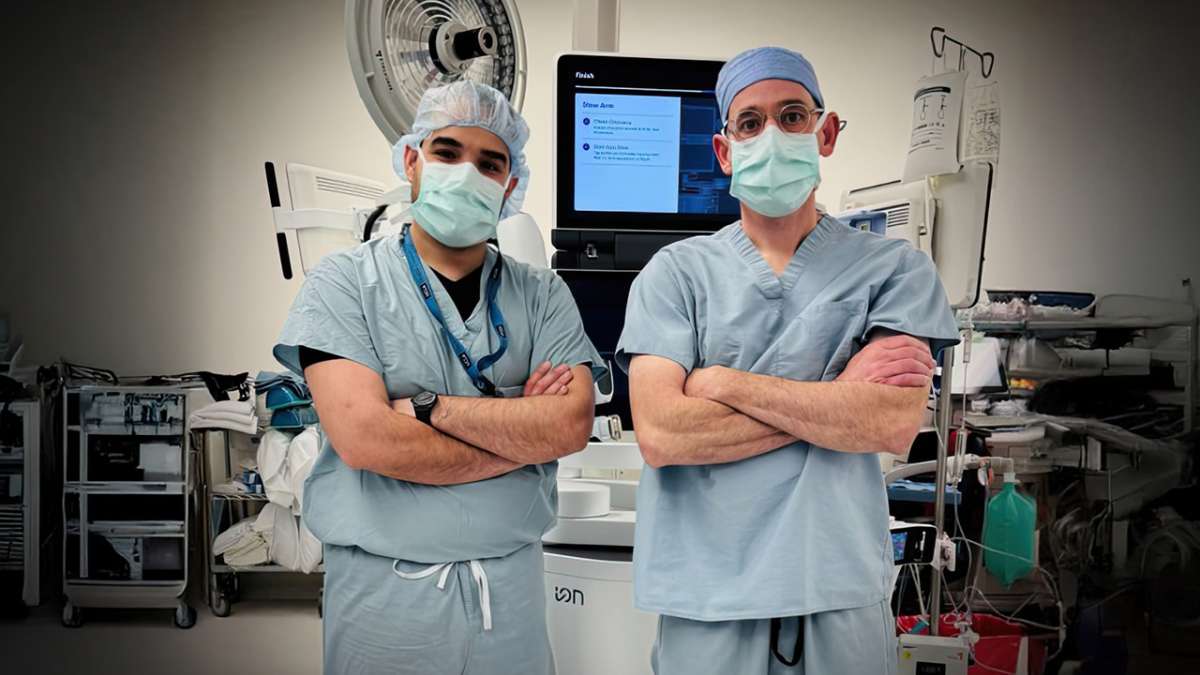
Dr. Bryan Burt, chief of thoracic surgery at UCLA, explains the approach uses robotic technology at each step. Doctors biopsy the nodule and get real-time results from pathologists in the same room. They check lymph nodes immediately to see if cancer has spread. They place a marker to guide surgery. Then, if the cancer is early stage, they remove it right away.
Dr. Reza Ronaghi, an interventional pulmonologist at UCLA Health, describes the old system as ping pong. Patients bounce between specialists, with each visit adding anxiety and weeks to their timeline.
The new approach requires careful patient screening beforehand. Not everyone qualifies for same-day treatment. But for those who do, the entire process takes three to four hours under a single anesthetic.
Why This Inspires
The procedure addresses something beyond medical efficiency. Waiting for cancer treatment creates profound anxiety for patients and families. Every day between a suspicious scan and surgery feels endless.
This approach transforms that experience. Patients arrive uncertain and leave treated, when appropriate. The psychological relief matches the medical benefit.
UCLA's team combines expertise from thoracic surgery, interventional pulmonology, and pathology. Their coordination allows real-time decision making that wasn't possible when these steps happened in different locations on different days.
The procedure represents a shift in thinking about cancer care. Instead of optimizing each individual step, the team optimized the entire journey from the patient's perspective.
Lung cancer remains the leading cause of cancer deaths, making early detection and rapid treatment critical. This streamlined approach could become a model for other medical centers treating early-stage lung cancer.
For patients facing one of life's scariest diagnoses, sometimes the best medicine is eliminating the wait.
Based on reporting by Google News - New Treatment
This story was written by BrightWire based on verified news reports.
Spread the positivity!
Share this good news with someone who needs it