UCLA Creates Lab-Grown Brains to Outsmart Glioblastoma
Scientists at UCLA built miniature 3D brain models that reveal why the deadliest brain cancer resists treatment, opening doors to personalized therapies. These lab-grown organoids mimic real human brains, showing for the first time how tumors communicate with healthy cells to become more aggressive.
Scientists just cracked open a new window into one of medicine's toughest challenges, and the view is surprisingly hopeful.
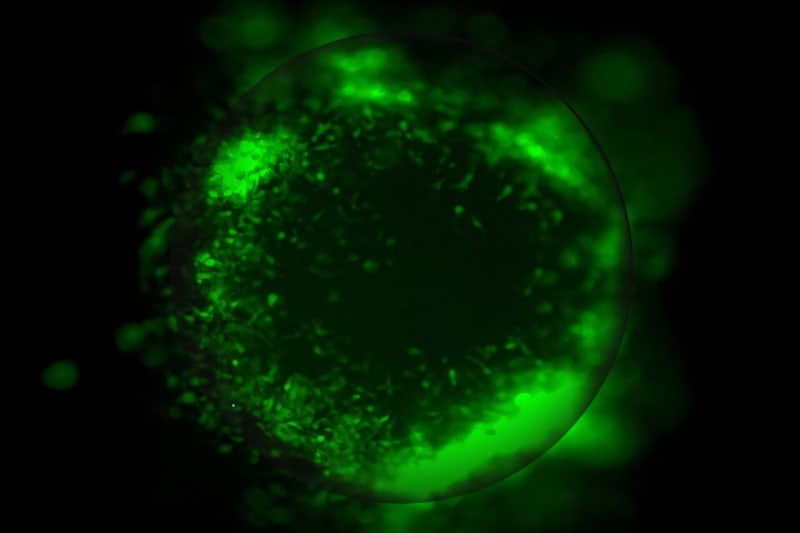
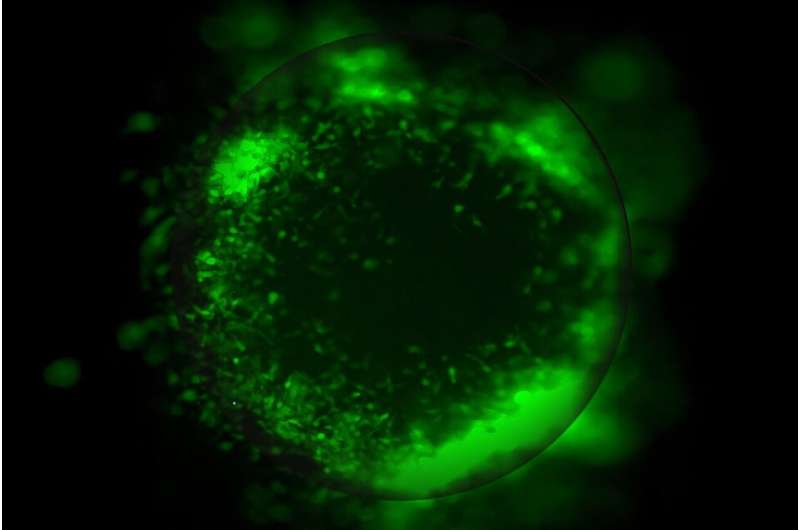
Researchers at UCLA have created miniature lab-grown brains that can host real tumor cells, finally giving doctors a way to watch glioblastoma interact with human brain tissue in real time. This aggressive brain cancer kills most patients within two years, partly because scientists haven't had good ways to study how it behaves in an actual human brain environment.
The breakthrough comes from two complementary studies published in Cell Reports. Both use organoids built from human stem cells that recreate the complex mix of cell types found in our brains.
Dr. Aparna Bhaduri, who led the research at UCLA's David Geffen School of Medicine, developed these models to understand why treatments keep failing. Her team can now observe patient-derived tumors talking to healthy brain tissue, revealing weak spots that could be attacked with personalized medicine.
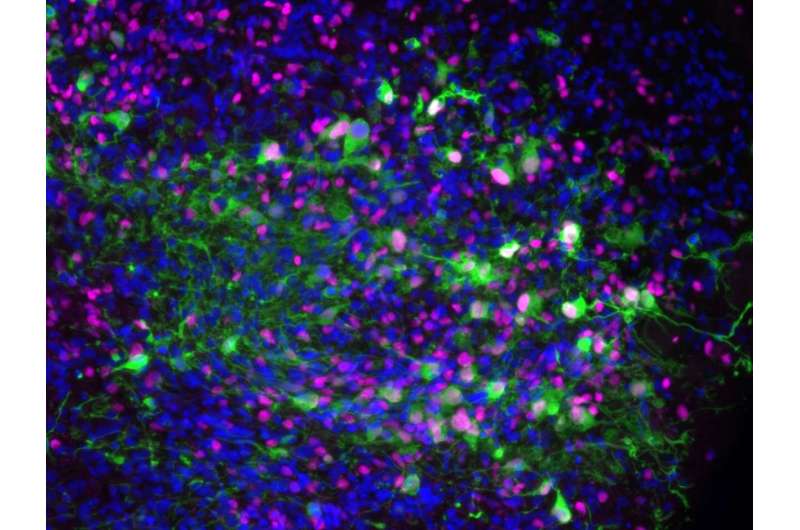
The first model uncovered a hidden player in tumor aggression. When researchers reduced levels of a protein called PTPRZ1 in the brain cells surrounding tumors, the cancer cells transformed into more aggressive invaders even though they weren't directly altered. The tumor cells grew longer extensions that help them spread through the brain and dodge treatments.
This discovery reveals something crucial: glioblastoma's behavior depends heavily on conversations with surrounding brain cells, not just the cancer itself. Scientists can now target these communication pathways instead of just attacking tumor cells.
The second model takes things further by adding immune cells into the mix. This immune-enhanced version lets researchers test how immunotherapy drugs actually work in a realistic brain environment.
The team tested pembrolizumab, a common cancer immunotherapy drug, on their lab-grown brains. The results matched what happens in real patients remarkably well. The drug woke up the immune system and boosted certain immune cells, but tumors still survived and grew.
Even more revealing: each patient's immune system reacted differently, with unique T cells expanding in response. This explains why one-size-fits-all immunotherapy struggles against glioblastoma and points toward the need for personalized approaches.
The Ripple Effect
These miniature brains are already changing how scientists approach cancer research. Instead of studying tumors in isolation or using animal models that don't quite match human biology, researchers can now test treatments in systems that closely mirror what happens inside patients.
The models preserve the intricate dance between tumor cells, brain cells, and immune cells. They show which immune populations expand, which shut down, and how tumors adapt to survive. This level of detail was impossible before.
For patients facing glioblastoma, this research represents real progress toward treatments that work with their unique biology rather than against it. The path from lab discovery to bedside treatment takes time, but scientists now have the tools to walk it more effectively.
Every conversation these lab-grown brains reveal brings us closer to turning the deadliest brain cancer into a manageable disease.
More Images


Based on reporting by Medical Xpress
This story was written by BrightWire based on verified news reports.
Spread the positivity!
Share this good news with someone who needs it