UGA Scientists Map 7 New Viruses to Help Sea Turtles
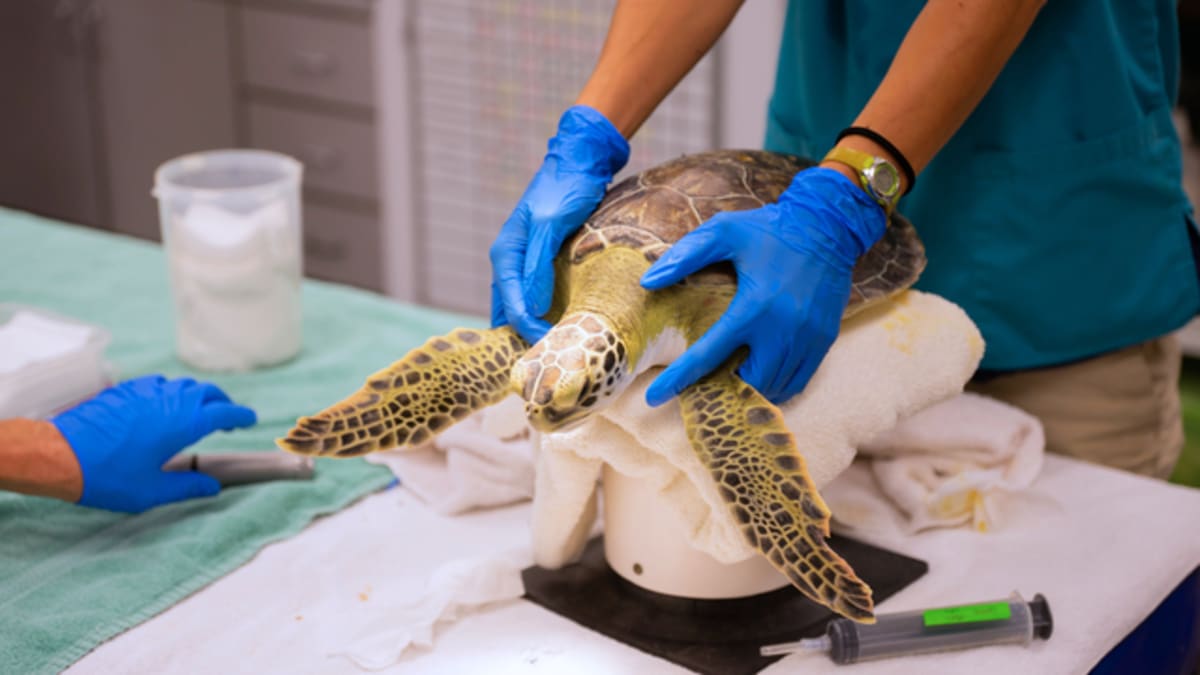
University of Georgia researchers discovered seven never-before-seen viruses in sea turtles, creating the first comprehensive viral catalog that could help save these endangered animals. The breakthrough gives scientists a powerful new tool to protect five threatened sea turtle species.
Scientists just took a major step forward in protecting some of the ocean's most beloved creatures.
Researchers at the University of Georgia's College of Veterinary Medicine identified seven completely new viruses in sea turtles, along with 12 other known viruses. One discovery was so unique it represents an entirely new family of viruses never documented in any species before.
This might sound alarming, but it's actually great news. For years, sea turtles have shown symptoms of viral infections, but scientists couldn't pinpoint the exact causes. It's like trying to treat a patient without knowing what's making them sick.
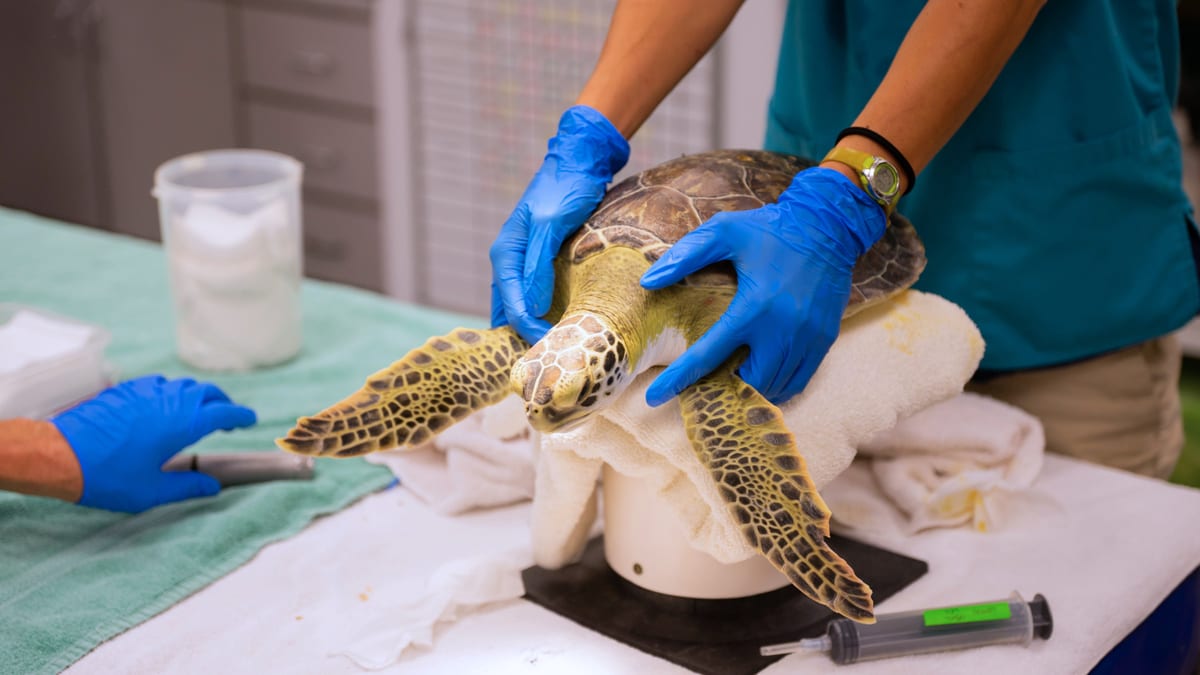
The research team used advanced genetic sequencing to analyze samples from Atlantic and Pacific sea turtles. They created the first comprehensive viral baseline for these ancient mariners, giving future researchers a complete reference guide.
Think of it as creating a field guide for sea turtle viruses. Now when turtles get sick, scientists can quickly check which virus is causing the problem instead of starting from scratch each time.
The Bright Side
The discovery comes at a critical time. Five of the world's seven sea turtle species are classified as threatened or endangered, fighting against pollution, climate change, and habitat loss.
Most of these newly identified viruses may never cause disease at all. Researcher Stanton emphasized that simply discovering and cataloging them provides the foundation scientists need to recognize which ones actually pose threats.
It's the difference between walking into a dark room and having a map with the lights on. The Georgia team just turned on the lights for sea turtle conservation.
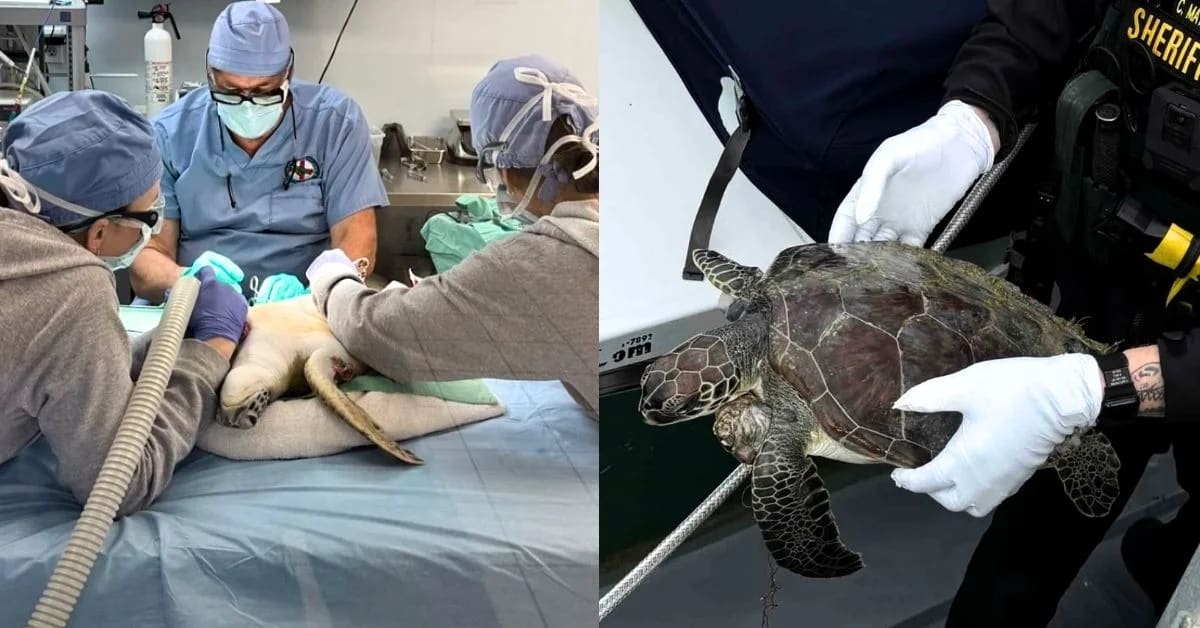
This viral catalog will help researchers worldwide respond faster to disease outbreaks. When a sick turtle washes ashore in Florida or Hawaii, veterinarians can now reference this database to identify the culprit and develop treatments more quickly.
The breakthrough demonstrates how understanding threats is the first step to overcoming them. Scientists aren't just discovering problems; they're building the toolkit to solve them and give vulnerable sea turtle populations a fighting chance at recovery.
More Images



Based on reporting by Google News - Scientists Discover
This story was written by BrightWire based on verified news reports.
Spread the positivity!
Share this good news with someone who needs it