UGA Students Find Hope in Rwanda's Reconciliation Journey
University of Georgia journalism students traveled to Rwanda expecting a story defined by genocide. They came home with a deeper understanding of a nation choosing unity and healing.
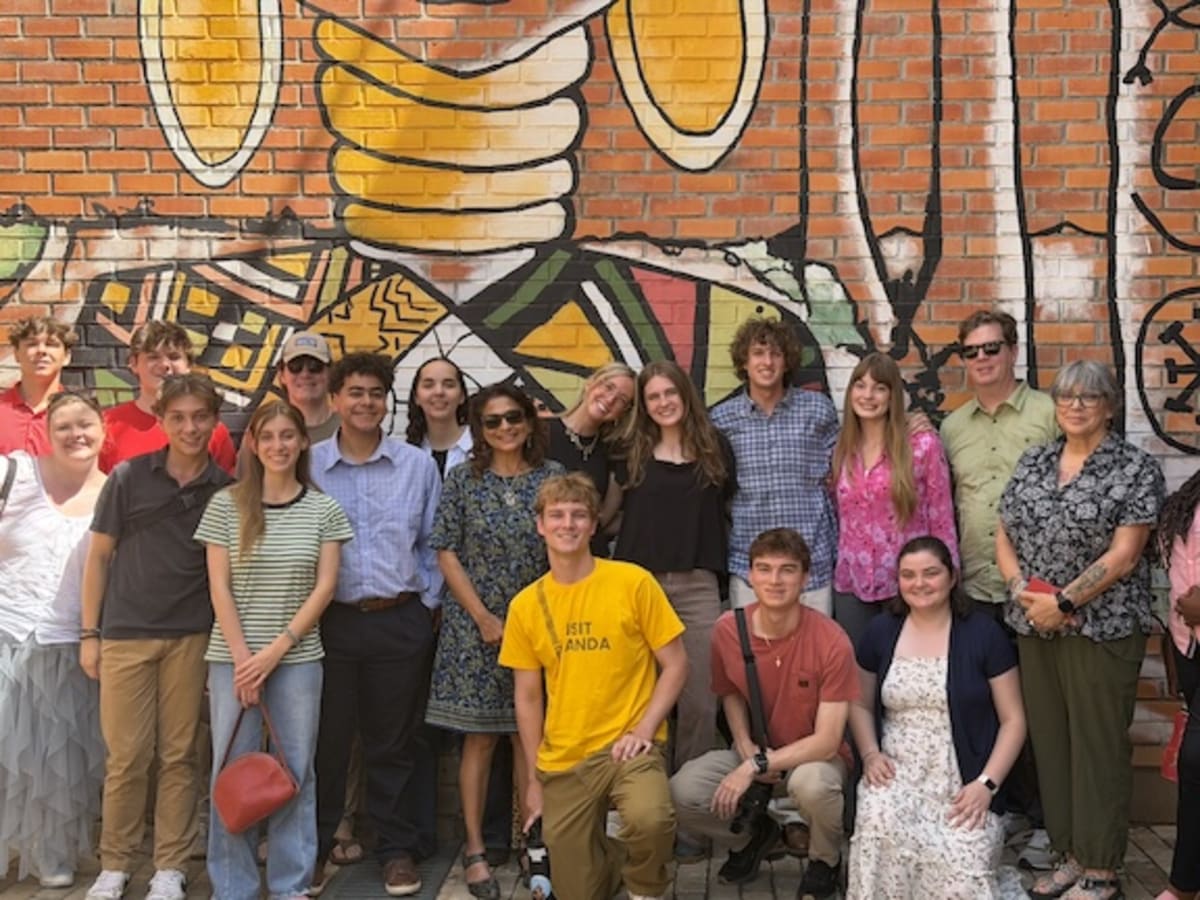
Twenty University of Georgia students boarded a plane to Rwanda in May, their minds filled with images of one of history's darkest chapters. They returned 17 days later with a completely different story to tell.
The students visited Rwanda as part of a dual history and journalism course exploring how a nation rebuilds after the 1994 genocide against the Tutsis claimed nearly 1 million lives. What they found challenged every assumption they'd carried with them.
At Unity Village in Karama, survivors and perpetrators of the genocide welcomed the students into their shared community. These former enemies now live side by side, choosing reconciliation over revenge. The students watched women who once stood on opposite sides of unimaginable violence work together in cooperatives, building new lives through shared purpose.
The journey wasn't easy. At the Kigali Genocide Memorial, students placed flowers at mass graves, fighting back tears as they confronted the weight of what happened there. They had to approach every interview with sensitivity, navigating language barriers and the responsibility of telling stories that weren't theirs to own.
But Rwanda revealed itself as far more than its tragedy. Students attended basketball games at Amahoro National Stadium and explored Kigali's vibrant coffee shops and nightclubs. They shared meals with university students their own age, discussing dreams and futures. They watched traditional music and dance performances that celebrated culture and resilience.
The Bright Side shines through in what the students heard repeatedly from Rwandans themselves: they want their country known for more than genocide. They're building that reality through education, community, and a commitment to "never again" that goes beyond remembrance to active reconciliation.
Professor Moni Basu, who led the trip, noticed the change in her students. They arrived with single-story narratives and left with nuanced understanding. The experience didn't just change how they see Rwanda; it shifted how they see themselves and their place in the world.
The students produced profiles of young Rwandans and personal accounts of their experiences, journalism that required them to listen more than assume. Some interviewed people who spoke only Kinyarwanda, finding ways to connect across language. Others sat with uncomfortable truths about assumptions they'd held.
Seventeen days can't capture every dimension of a country, but it can shatter inadequate expectations. These students will never again reduce Rwanda to a single tragic event, and that shift in perspective might be the most important story they brought home.
Rwanda's message resonates beyond its borders: healing is possible, even from the deepest wounds.
Based on reporting by Google News - Reconciliation
This story was written by BrightWire based on verified news reports.
Spread the positivity!
Share this good news with someone who needs it