Uganda Cotton Farmers Bypass Middlemen, Build Better Lives
Women cotton farmers in eastern Uganda are selling directly to ginneries, cutting out village middlemen who underpaid them and used faulty scales. The shift is turning seasonal cotton earnings into iron-roofed homes, education, and productive assets.
Nighty Acen used to dread selling her cotton harvest to village middlemen who offered low prices and sometimes rigged the scales. Now she sells directly to a ginnery in Pallisa District, and the difference has changed her life.
The income helped Acen build a house with an iron-sheet roof, contribute to her son's marriage, and buy oxen. Those oxen now prepare her fields on time and earn her extra money clearing land for neighbors.
Her experience reflects a quiet revolution happening across eastern Uganda's cotton fields. Farmers are organizing into groups and cooperatives to sell directly to ginneries, securing better prices and more control over their harvests.
The stakes are significant. Uganda's cotton industry supports up to 200,000 smallholder households across more than 75 districts. Over the past decade, farmers earned over one trillion Ugandan shillings, with exports exceeding $348 million.
For women especially, the shift represents more than better prices. Women have always done much of the grueling work: planting, weeding, picking, carrying, and sorting. But men traditionally controlled the sales and income.
"We thank women because they have spearheaded this initiative and included their husbands to help in growing cotton, unlike before, when women did the donkey work," says Jude Ongota, principal agricultural officer in Bukedea District.
Aleje Modesta has grown cotton for nearly 30 years. She started with a small plot just to feed her family and has since acquired land and paid school costs through cotton income.
"When I started farming, my goal was simply to earn money and be able to feed my family," Modesta says. "I never imagined cotton growing would become the crop that would transform our life."
The Ripple Effect
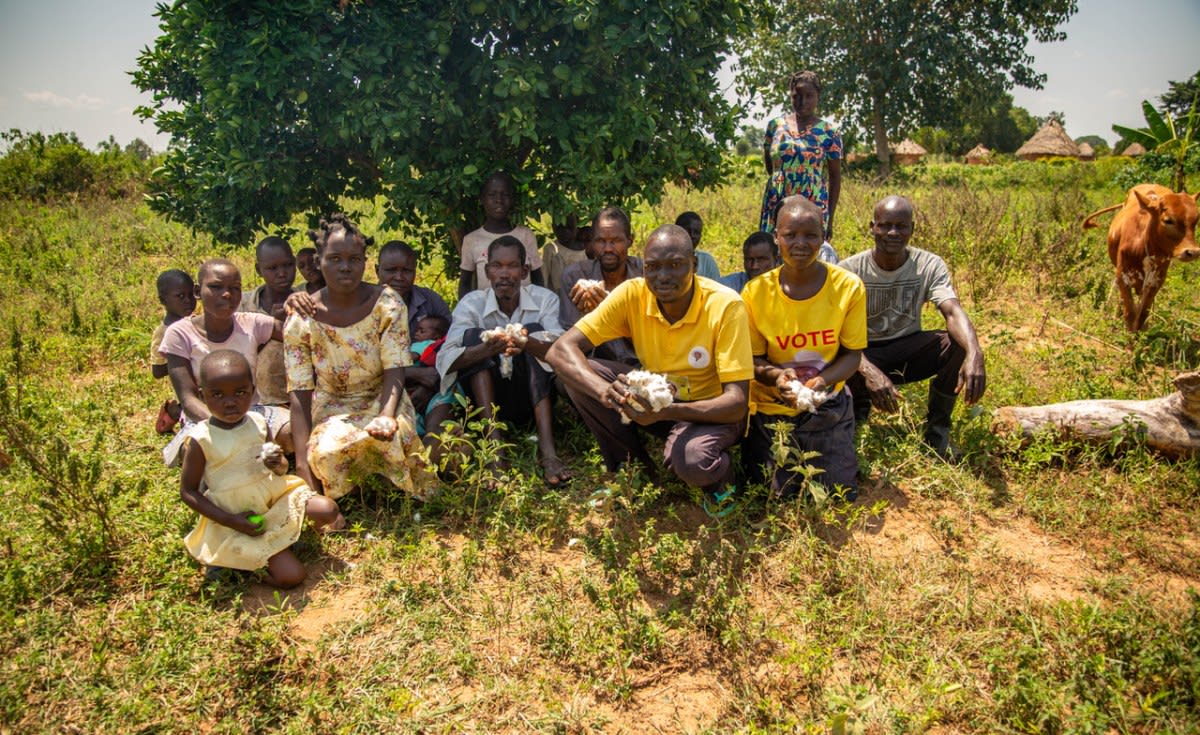
The Wawot-Anyim Cotton Farmers Group shows how collective action creates leverage. The group has 90 members, with 28 growing cotton together instead of negotiating separately. By pooling their harvests, they create larger consignments that make direct sales practical and give them a stronger voice with buyers.
Hellen Acham, chairperson of the Pallisa Farmers Association, says formal agreements with ginneries give farmers certainty about where they can sell. That certainty matters because it allows farmers to plan beyond the next harvest.
Cotton remains demanding work. It's grown once a year, largely rain-fed, and picked entirely by hand over several weeks. But as Modesta puts it: "Every stage of cotton farming is hard work all the way. But when we see those white fibres bursting from the bolls, we know money has arrived."
Direct market access won't solve every challenge facing cotton growers, from unreliable rain to pests to fluctuating prices. But it's giving farmers control over the part of the business that begins once the cotton leaves their fields, and that control is building better futures one harvest at a time.
Based on reporting by AllAfrica - Headlines
This story was written by BrightWire based on verified news reports.
Spread the positivity!
Share this good news with someone who needs it