Uganda Rolls Out New Safety Measures to Prevent Ebola
Uganda's Ministry of Health just released comprehensive safety guidelines to protect communities from Ebola during gatherings, worship services, and public transport. The proactive measures put prevention first, equipping citizens with clear tools to stay safe while maintaining community connections.
Uganda is taking decisive action to keep its people safe from Ebola, rolling out detailed prevention guidelines that show what proactive public health looks like in action.
The Ministry of Health just released new safety protocols covering everything from weddings and funerals to religious services and public transportation. Event organizers must now notify district health authorities before hosting gatherings, ensuring every venue has proper handwashing stations, screening checkpoints, and trained health safety staff.
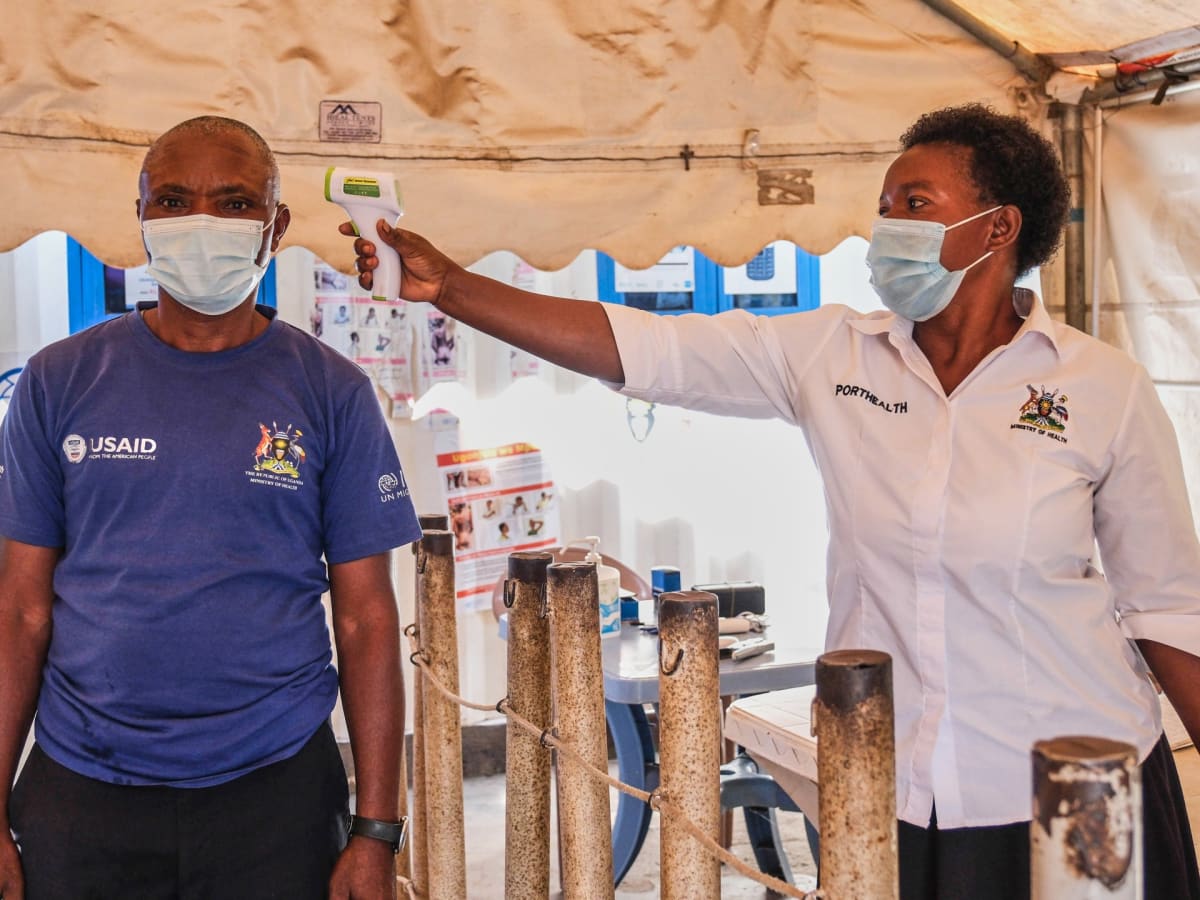
The temperature screening requirement is straightforward: anyone registering above 38 degrees Celsius gets isolated immediately and referred for medical assessment. Event organizers have clear instructions to report suspected cases and restrict movement until emergency teams arrive, creating a rapid response system that could save lives.
Places of worship received specific guidance that balances safety with spiritual practice. Religious leaders are advised to discourage physical contact like handshakes and hugs, and to avoid laying hands on worshippers during prayers. If someone develops symptoms during a service, worship centers now have protocols to isolate them quickly and disinfect affected areas properly.
Public spaces are getting upgraded too. Open air markets must provide handwashing stations at entrances and regularly disinfect high touch surfaces. Transport operators, including boda boda riders, have clear instructions not to carry passengers showing Ebola symptoms, creating a protective barrier across the country's transportation network.
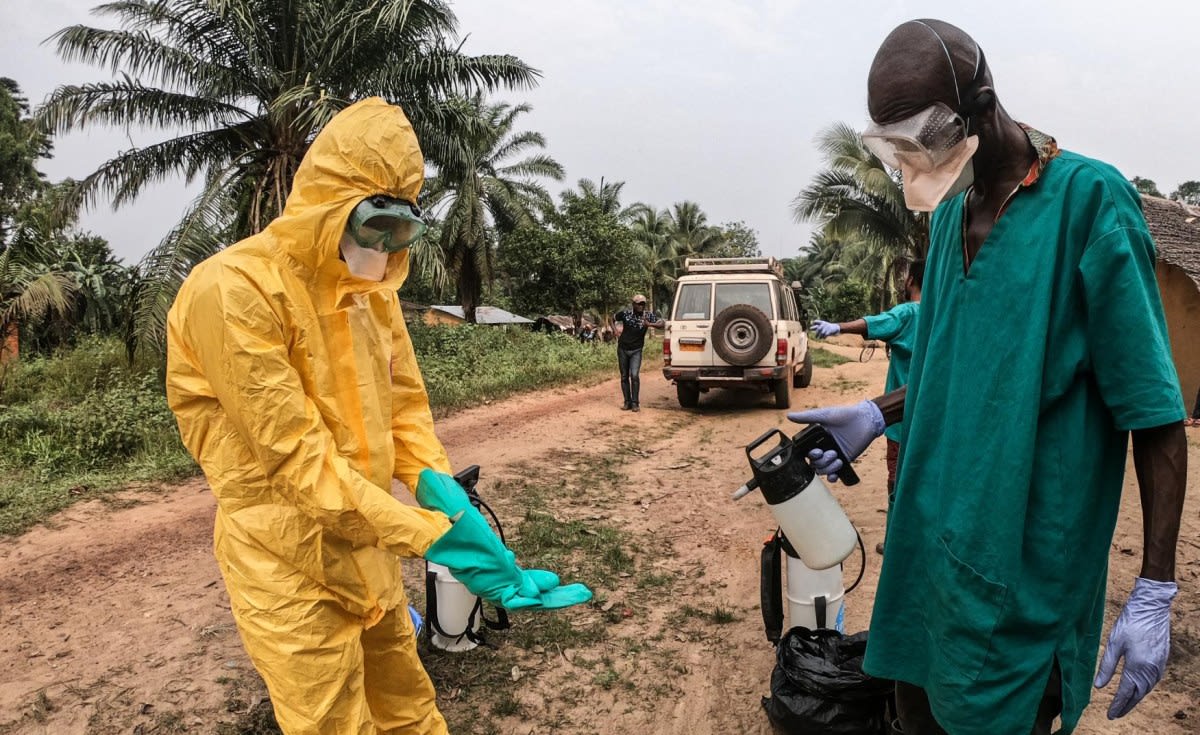
The guidelines treat burial ceremonies with special care, acknowledging both cultural sensitivity and medical necessity. Only trained burial teams can handle suspected Ebola victims, since bodies remain highly contagious. While this means families cannot wash or prepare bodies themselves, the measure protects entire communities from transmission during vulnerable mourning periods.
The Bright Side
What stands out about Uganda's approach is how comprehensive and practical it is. Rather than creating panic, these guidelines empower every sector of society with specific, doable actions. Market vendors know exactly what to do. Religious leaders have clear direction. Transport workers understand their role in the safety chain.
The Ministry made reporting easy too, setting up a toll free hotline at 0800-100-066 and a free SMS service to 6767. When citizens have simple ways to get help, prevention becomes a community effort instead of a government mandate.
Uganda is showing the world that disease prevention works best when everyone knows their part and has the tools to play it.
Based on reporting by AllAfrica - Health
This story was written by BrightWire based on verified news reports.
Spread the positivity!
Share this good news with someone who needs it